
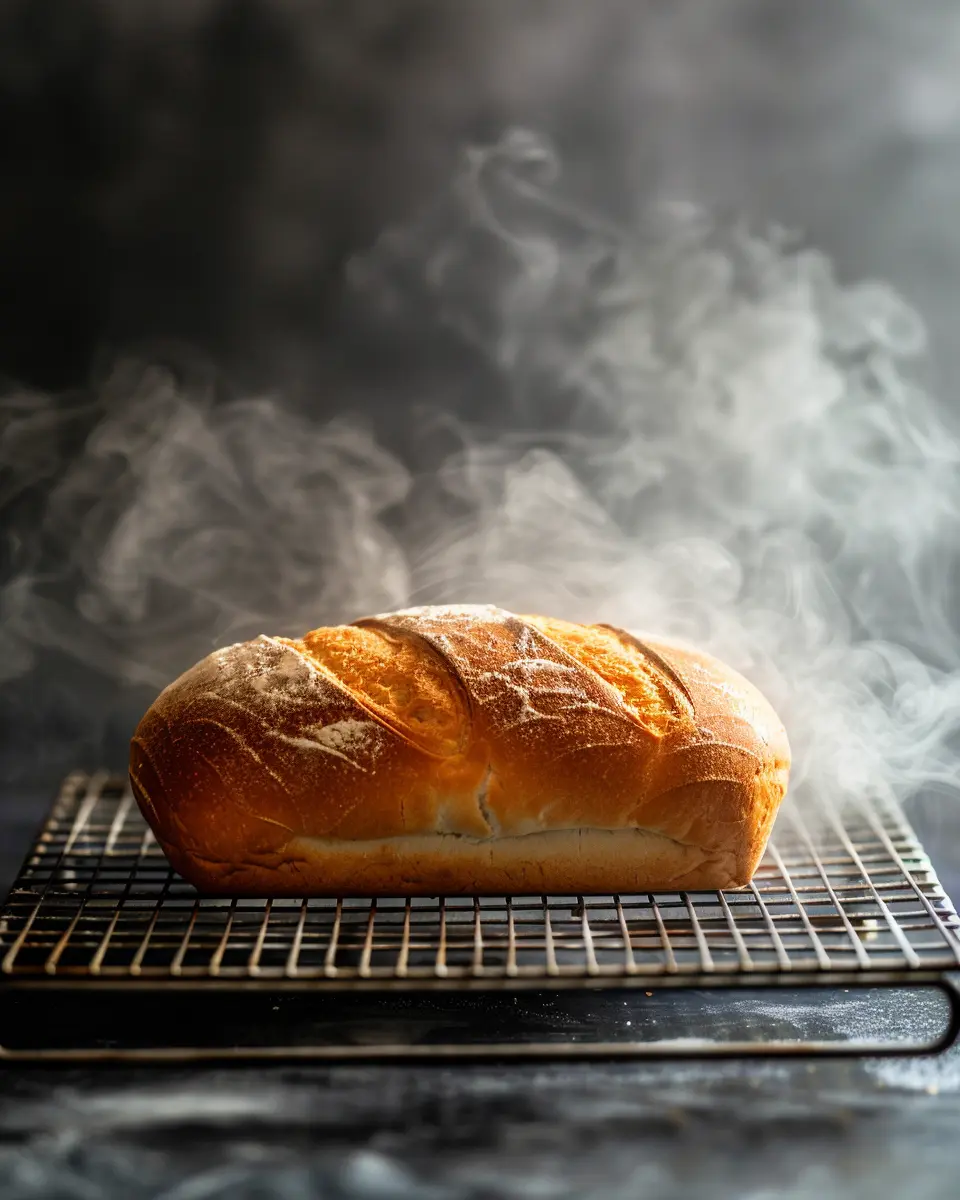
Shelf stability refers to how well a food maintains its structural integrity, texture, and edible quality over time without requiring intervention. For carnivore bread, shelf stability is lower than conventional wheat-based bread — not because it is a lesser product, but because its structural composition reacts to moisture, air, and temperature in fundamentally different ways. Understanding those differences is what separates predictable results from constant frustration. For freshness timelines across different storage environments, our carnivore bread shelf life guide covers the practical duration expectations that sit alongside what this article explains structurally.
Carnivore bread freezes well for up to 2–3 months when wrapped properly and thawed slowly at room temperature.
carnivore bread shelf stability
Table of Contents
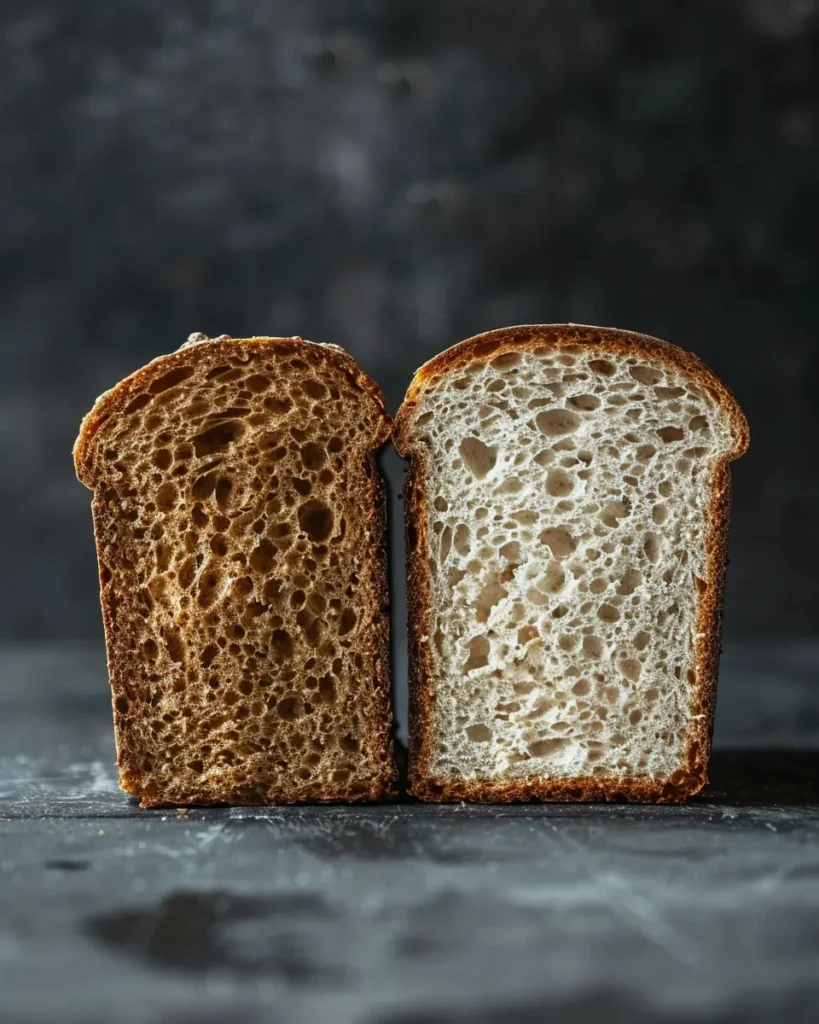
Carnivore bread does not go stale the way wheat bread goes stale. It does not dry out from the outside in, develop a hard crust over a soft interior, or lose softness gradually through moisture evaporation alone. Its structural changes follow a different pattern — one driven more by internal moisture redistribution than by surface drying — and recognizing that pattern is the first step toward understanding why it behaves the way it does.
How Carnivore Bread Structure Differs From Regular Bread
Conventional wheat bread owes its structure to gluten — a protein network formed when wheat flour is hydrated and worked. As Scientific American explains, that gluten network creates an elastic, interconnected web that traps gas bubbles during rising, holds the bread’s shape during baking, and continues to provide structural support as the bread cools and ages. That gluten network creates an elastic, interconnected web that traps gas bubbles during rising, holds the bread’s shape during baking, and continues to provide structural support as the bread cools and ages. The crumb — the interior texture — is relatively open, with visible air pockets and a flexible, slightly springy feel. Wheat bread’s stability comes from the rigidity of this gluten framework and the relatively low moisture content of the baked crumb.
Carnivore bread has no gluten network. Its structure is built from protein and fat interactions that behave very differently under the same environmental conditions. The crumb is denser, with fewer air pockets and a more uniform texture throughout. That density creates a bread that feels sturdy when fresh but responds to moisture and air exposure in ways that wheat bread does not.
Moisture retention differences
Wheat bread releases moisture steadily from the surface outward, which is why it develops a firm outer crust while the interior stays soft for longer. Carnivore bread retains moisture more evenly across its entire structure — there is less separation between interior and exterior moisture levels. This means it does not develop the same crust-versus-crumb dynamic. Instead, moisture shifts throughout the entire slice simultaneously, which can make texture changes feel sudden rather than gradual.
Crumb durability and flexibility
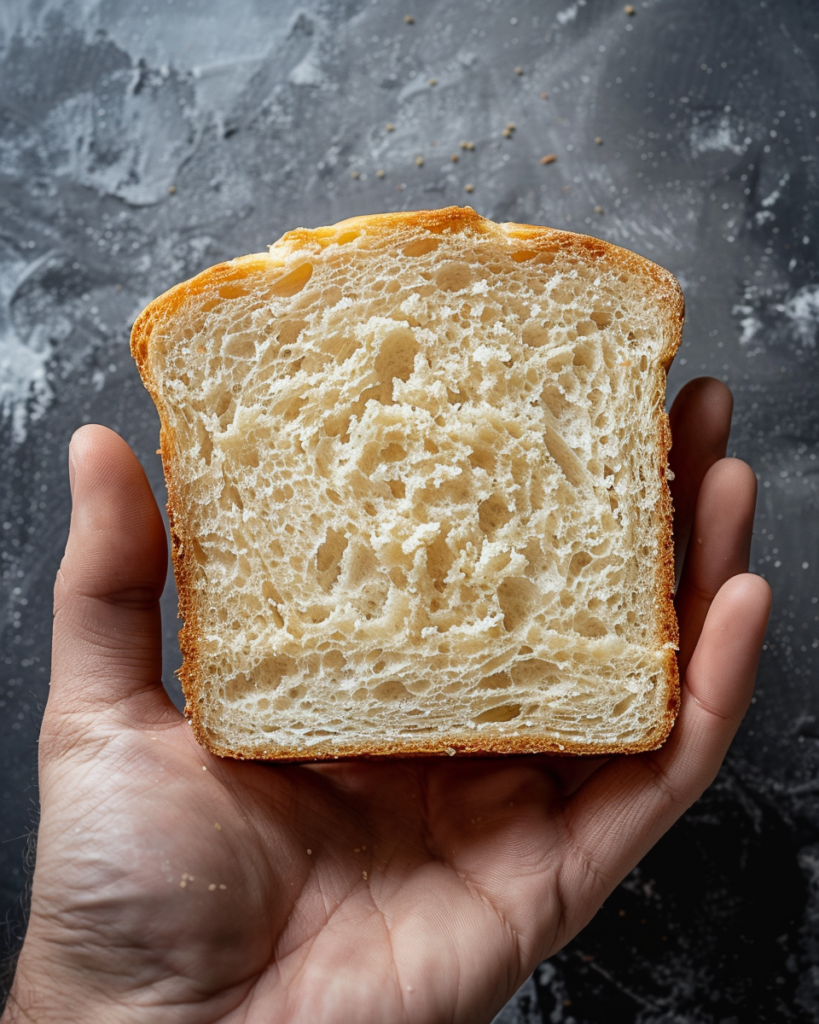
The crumb of carnivore bread is less mechanically flexible than wheat bread crumb. Wheat bread can be pressed, squeezed, or bent and largely return to its original shape. Carnivore bread crumb compresses more permanently under the same pressure — what might be described as the Structural Compression Effect — because the protein and fat matrix does not have the elastic memory that gluten provides. This means that physical handling matters more for carnivore bread than it does for wheat bread: squeezing a slice, stacking heavy items on top of it, or pressing it against a container wall can alter the crumb structure in ways that persist.
Softness retention over time
Wheat bread softness decreases gradually and predictably over days, in a pattern most people find familiar. Carnivore bread softness changes less predictably — it can feel very similar to when freshly made for the first day, then shift noticeably faster in the second or third day as internal moisture redistribution reaches a tipping point. This is not deterioration in the safety sense, but a structural shift that changes the eating experience. The Softness Breakdown Pattern in carnivore bread tends to be more abrupt than the gradual softness decline of conventional bread.
Why Carnivore Bread Behaves Differently Over Time
The structural behavior of carnivore bread over time is a direct consequence of what it is made from and what it is not made from. Each of these differences has a specific downstream effect on shelf stability.
The absence of gluten structure
Gluten is not simply a texture component — it is a structural anchor that resists environmental changes. The gluten network in wheat bread acts as a scaffold that maintains shape as moisture levels shift, as temperature changes, and as the bread ages. Without that scaffold, carnivore bread’s structure is held together by protein coagulation and fat distribution. These are effective structural mechanisms when the bread is fresh, but they are more sensitive to environmental inputs than gluten is. Moisture introduced from the environment, condensation from a container, or even humidity in the surrounding air can disrupt the protein-fat matrix in ways that gluten would resist.
Moisture sensitivity
Carnivore bread’s protein-fat structure is significantly more moisture-sensitive than a gluten matrix. When additional moisture reaches the bread — from a poorly sealed container, from condensation on the bag’s interior, or from ambient humidity — it absorbs into the structure quickly and redistributes rapidly. The result is a texture shift from firm and slightly springy to noticeably softer and denser, often within hours of moisture exposure. Structural breakdown in carnivore bread usually starts before visible dryness or wetness appears on the surface — the change is happening internally before it becomes obvious externally.
This moisture sensitivity also works in the opposite direction. When carnivore bread is exposed to dry air — an open container, an unsealed bag, or a refrigerator without airtight storage — it loses interior moisture faster than wheat bread would under the same conditions. The lack of a protective gluten scaffold means there is less structural resistance to moisture migration.
Protein and fat behavior over time
The proteins in carnivore bread, primarily from eggs and animal-based ingredients, are set during baking through a process known as coagulation in baked goods. Unlike gluten, which retains some flexibility as it ages, coagulated protein becomes progressively more rigid over time when kept dry. Unlike gluten, which retains some flexibility as it ages, coagulated protein becomes progressively more rigid over time when kept dry. This rigidity is what causes carnivore bread to feel denser and less yielding after one to two days even when moisture levels appear unchanged — the protein matrix is simply losing the residual flexibility it had when the bread was warm and freshly baked.
Fat within the structure behaves differently again. At room temperature, fat remains semi-soft and contributes to the bread’s perceived moisture and texture. As the bread cools in the refrigerator, fat solidifies, which makes the bread feel noticeably firmer than it was at room temperature. This is not structural damage — it is a reversible temperature effect — but it means that refrigerated carnivore bread can feel unexpectedly dense compared to its room-temperature counterpart. Texture durability depends more on moisture balance than softness alone.
Density behavior and structural stability
The dense crumb of carnivore bread, while making individual slices sturdy in some respects, also means that structural changes propagate through the bread more uniformly than in open-crumbed wheat bread. In wheat bread, the air pockets in the crumb act as buffers — moisture changes or structural stress affect the walls between air pockets first, while the pockets themselves provide cushioning. Carnivore bread has fewer of these buffers, so moisture shifts and structural changes affect the entire crumb more evenly and more quickly.
What Affects Carnivore Bread Shelf Stability
Several specific environmental and handling factors accelerate structural degradation in carnivore bread. Understanding which ones matter most allows for more targeted prevention.
Moisture exposure
Any moisture that reaches the bread from an external source — condensation inside a storage container, humidity in the air, or wet surfaces — disrupts the protein-fat matrix and accelerates softness breakdown. The Moisture Stability Balance for carnivore bread is narrow: too much moisture makes the structure soft and gummy, while too little causes the protein matrix to become rigid and dry. The optimal range is essentially the moisture level the bread had when it finished cooling after baking. Any deviation in either direction moves the bread away from its peak structural condition. These moisture dynamics are explored further in our moisture control guide.
Air contact and humidity
Prolonged air contact affects carnivore bread more rapidly than wheat bread because the absence of a gluten scaffold provides less structural resistance to moisture migration. In high-humidity environments, the bread absorbs atmospheric moisture and softens faster. In low-humidity or refrigerator-air environments, it loses interior moisture and becomes denser and more rigid. Both effects occur at the structural level — inside the crumb — before they become obvious by touch or appearance.
Slicing patterns and structural stress
How and when carnivore bread is sliced affects how quickly its structure degrades. Each cut creates a new exposed surface — a point where moisture can enter or exit and where structural stress from the slicing action compresses the crumb along the cut line. Slicing the entire loaf at once creates far more exposed surface area than slicing portions as needed, which accelerates moisture exchange across all those surfaces simultaneously. The Texture Retention Zone — the period during which the bread maintains near-original texture — shrinks noticeably when the full loaf is pre-sliced, especially in non-ideal humidity conditions.
Structural compression from handling and storage
Because carnivore bread’s crumb does not have the elastic recovery of a gluten network, physical compression leaves permanent marks. Storing bread flat under heavy items, pressing slices tightly against each other in a container, or compressing the bread during wrapping all create localized density changes that alter how that section of the bread eats. These Structural Compression Effects are invisible from the outside but detectable as denser, less yielding patches within the slice.
Condensation from temperature changes
Moving carnivore bread between temperature environments — from the refrigerator to room temperature, from a warm kitchen to a cold container — causes condensation to form on the bread’s surface or inside the container. That condensation introduces surface moisture that then migrates inward along the path of least resistance. In carnivore bread’s denser structure, that inward migration happens more slowly than in wheat bread, which means the surface may show wetness while the interior remains unaffected — but given enough time, the moisture redistributes and softens the entire slice unevenly.
How to Improve Carnivore Bread Stability
Improving carnivore bread’s shelf stability is less about extending a fixed timeline and more about managing the specific vulnerabilities of its structure. Each of the factors above has a corresponding habit that reduces its impact.
Cool completely before any handling
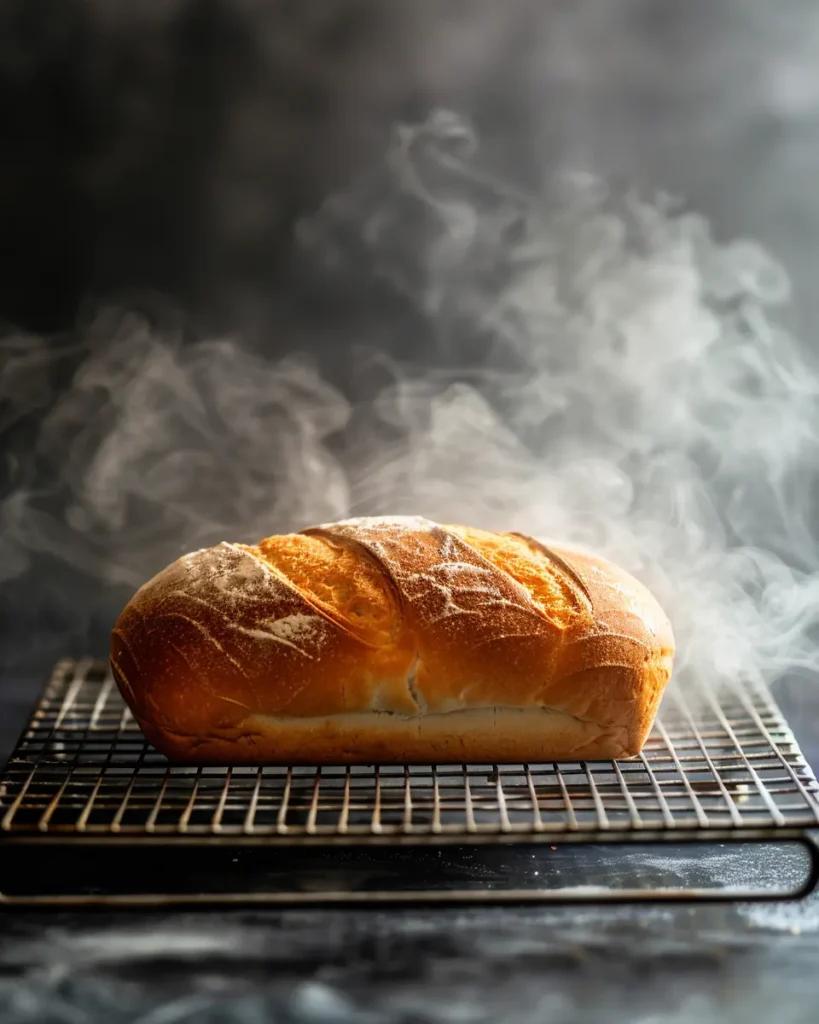
The Structure Durability Window — the period during which carnivore bread is most structurally stable — begins only after the bread has cooled completely. While warm, the protein matrix is still setting and the fat is still liquid or semi-liquid. Handling, wrapping, or slicing warm bread introduces structural stress at a moment when the crumb cannot resist it, creating compression marks and moisture disruption that persist after cooling. A minimum of 90 minutes on a wire rack, with air circulation on all sides, gives the structure time to fully set before any external pressure is applied.
Slice strategically, not all at once
Maintaining the uncut loaf as long as possible preserves the Texture Retention Zone for the portions that are not yet being used. Slice only what is needed for the immediate sitting, keeping the remainder whole or partially intact. This minimizes exposed surface area and slows moisture exchange from the cut surfaces. When pre-slicing is necessary — for batch meal preparation, for example — individual wrapping of each slice reduces the impact by limiting how much of each slice’s surface is exposed to air or adjacent slices. Batch strategies that account for this are covered in our carnivore meal prep guide.
Handle with minimal compression
Given that carnivore bread’s crumb cannot elastically recover from compression the way gluten-based bread can, deliberate light handling preserves structural integrity. This means avoiding tight squeezing during wrapping, not stacking other items on top of stored bread, and not pressing slices flat against each other in a container. When placing bread in a bag or container, lay it in gently rather than pushing it to fit. These habits seem minor but have a measurable effect on the texture of the bread when it is eventually eaten.
Manage the cooling environment
Where bread cools matters as well as how long it cools. A wire rack in a cool, dry location with good air circulation is the optimal cooling environment. Cooling on a solid surface traps steam beneath the bread, which can create a moisture-dense layer at the bottom of the loaf. Cooling in a warm, humid kitchen prolongs the setting time of the protein matrix and creates conditions where the exterior may absorb ambient moisture before the interior has finished releasing its baking steam. A cool, dry environment with air circulation on all sides is the consistent recommendation for the same reason in every case: it gives the structure the best possible conditions to set stably before any handling occurs.
Match handling habits to structural reality
The broader principle behind all of these improvements is matching your expectations and habits to the structural reality of carnivore bread rather than treating it like wheat bread. Wheat bread’s gluten scaffold is forgiving — it resists compression, buffers moisture changes, and degrades gradually. Carnivore bread’s protein-fat matrix is more sensitive and less forgiving of the same conditions. Treating it accordingly — cooling fully, slicing minimally, handling gently, and managing moisture carefully — produces consistently better structural results across every batch.
For deeper troubleshooting of specific texture issues that arise over time, our texture troubleshooting guide addresses the most common structural problems and their causes. And for a complete view of how structural stability connects to the bread’s overall freshness across different storage environments, our bread storage guide covers the practical system that these structural principles fit into.
Your Questions, Answered
What is shelf stability in carnivore bread?
Shelf stability refers to how well carnivore bread maintains its structural integrity, texture, and edible quality over time. Carnivore bread has lower shelf stability than conventional wheat bread because its protein-fat structure is more sensitive to moisture, air exposure, and temperature changes than a gluten-based structure.
Why does carnivore bread change texture faster than regular bread?
The absence of a gluten scaffold means carnivore bread has less structural resistance to environmental changes. Moisture shifts, air exposure, and temperature changes affect its protein-fat matrix more quickly and more uniformly than they would affect the elastic gluten network of wheat bread.
Why does carnivore bread feel denser in the refrigerator?
The fat within the bread’s structure solidifies at refrigerator temperatures, making the bread feel noticeably firmer. This is a reversible temperature effect, not structural damage — the bread returns to its room-temperature texture after resting out of the refrigerator for 10 to 15 minutes.
Does slicing carnivore bread affect its stability?
Yes, significantly. Each cut creates an exposed surface where moisture can enter or exit. Pre-slicing the entire loaf creates far more exposed surface area than slicing as needed, which accelerates moisture exchange and shortens the Texture Retention Zone noticeably.
Why does carnivore bread feel gummy rather than dry when it starts to degrade?
Because its structure is more moisture-sensitive than wheat bread, environmental moisture (from condensation, humidity, or container moisture) is absorbed quickly and redistributes through the dense crumb evenly. The result is a gummy texture rather than the dry, crumbly degradation pattern of aged wheat bread.
What is the most important factor in maintaining carnivore bread stability?
Moisture balance. The protein-fat matrix of carnivore bread is stable within a narrow moisture range — the level it had when it finished cooling after baking. Any deviation from that range, in either direction, moves the bread away from its optimal structural condition faster than any other environmental variable.
The Bottom Line
Carnivore bread’s shelf stability is lower than conventional bread, but it is highly predictable once you understand the structural logic behind it. Its protein-fat matrix is more moisture-sensitive, less physically resilient, and more responsive to environmental changes than a gluten network — which means it requires more deliberate handling at every stage from cooling through serving.
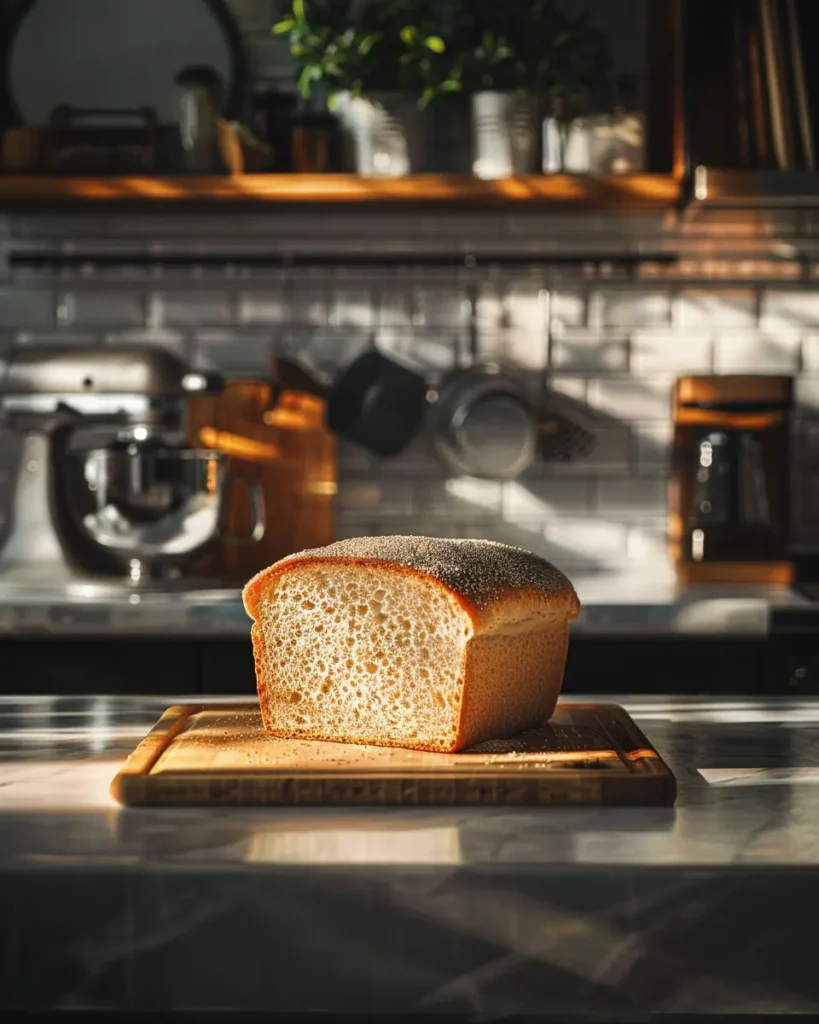
The improvements that matter most are not complex: cool fully before handling, slice only what you need, handle gently to avoid compression, and manage moisture exposure at every stage. These habits address the actual structural vulnerabilities of the bread rather than applying wheat-bread assumptions to a product that behaves differently.
For the freshness durations that correspond to the structural changes described in this article, our carnivore bread shelf life guide provides the practical timelines. And for specific texture problems that develop over time, our texture troubleshooting guide provides targeted diagnostic guidance.