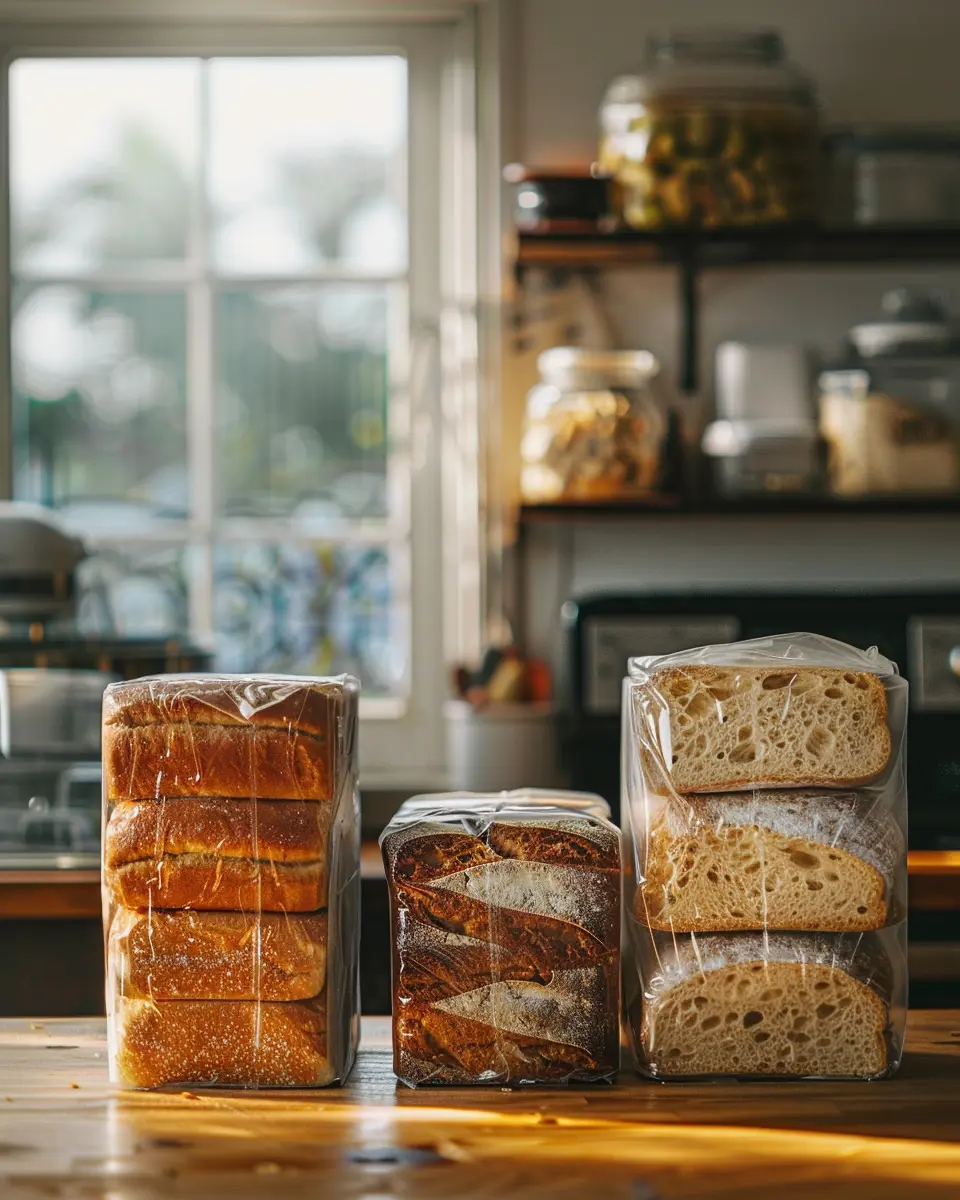
Carnivore bread lasts 2 to 3 days at room temperature, 7 to 10 days in the refrigerator, and up to 2 to 3 months in the freezer. Because it contains no preservatives and is rich in protein and moisture-retaining ingredients, it spoils faster than conventional bread. Proper cooling before storage and airtight sealing are the two habits that make the biggest difference. For a broader overview of how to keep it fresh long-term, see our bread storage guide.
Carnivore bread holds internal moisture well — a quality that keeps texture satisfying when fresh, but also creates an environment where spoilage can begin quickly if storage conditions are not managed carefully. Understanding the freshness window for each storage method helps you get the most out of every batch.
| Storage Method | Shelf Life | Key Condition |
|---|---|---|
| Room TemperatureCool, dry location | 2–3 days | Airtight container, away from heat |
| Refrigerator35–40°F / 2–4°C | 7–10 days | Sealed bag, no condensation |
| Freezer0°F / -18°C or below | 2–3 months | Individual slice wrapping, freezer-safe bag |
Carnivore bread lasts 2–3 days at room temperature, 7–10 days in the refrigerator, and up to 3 months in the freezer when properly cooled and stored in airtight containers.
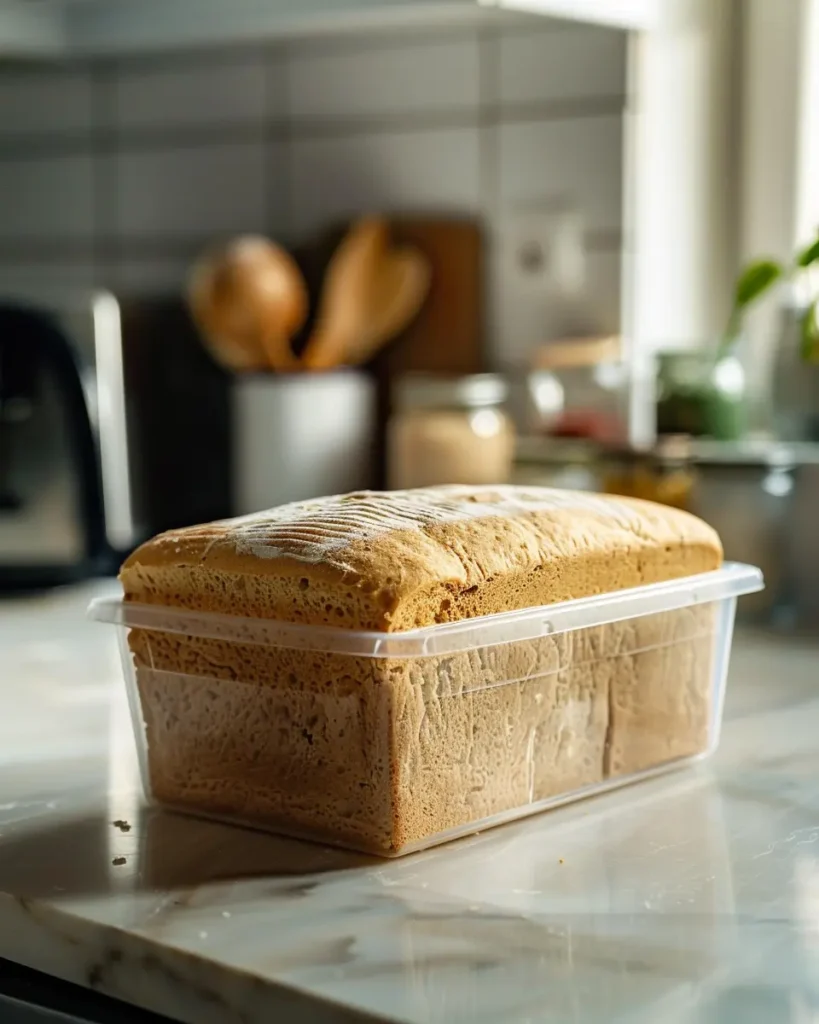
Table of Contents
Table of Contents
How Long Does Carnivore Bread Last?
The lifespan of carnivore bread depends almost entirely on the storage method and how much moisture the bread was exposed to after cooling. Each environment creates a different freshness trajectory.
At Room Temperature
At room temperature, carnivore bread has the shortest freshness window of any storage method. Two to three days is the realistic expectation in a cool kitchen with dry air. In humid climates or warm kitchens, that window often drops to one to two days. The bread does not go visibly stale the way wheat bread does — instead, the surface becomes tacky and the interior turns gummy as residual moisture redistributes. By day three, quality degrades quickly and spoilage risk increases.
In the Refrigerator
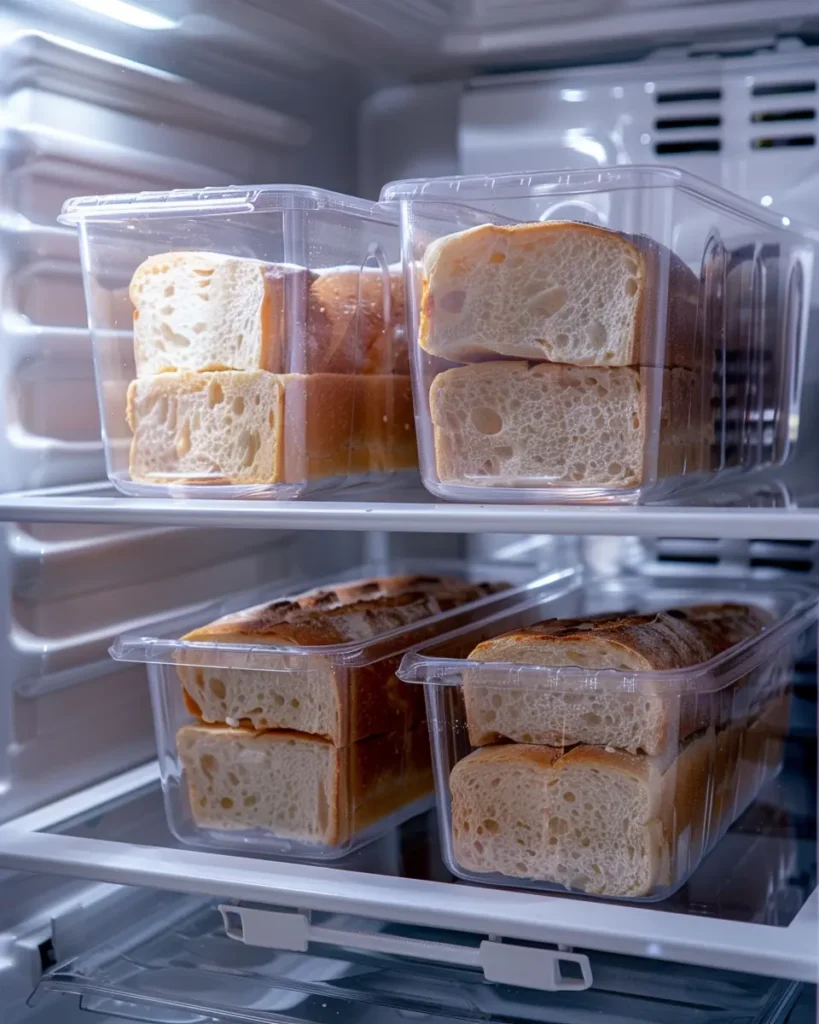
Refrigeration extends carnivore bread’s lifespan significantly — up to 7 to 10 days when stored in a properly sealed container with no trapped air. The cold slows microbial growth dramatically, but the refrigerator’s dry air draws moisture out of the bread’s surface over time. Bread left in an unsealed bag will begin to feel dry and brittle within three days, even if it has not technically spoiled. A sealed zip-lock bag with air pressed out, or a container with a tight-fitting lid, keeps fridge-stored bread moist and palatable through the full 10-day window.
When citing the 7–10 day refrigerator window, this official FDA chart backs up the timeframe with government authority.
Does refrigeration make carnivore bread last longer?
Yes. Refrigeration slows microbial growth and can extend carnivore bread shelf life from 2–3 days to 7–10 days when stored in an airtight container.
Storage note: Refrigeration does not stop moisture movement — it redirects it. Without an airtight seal, moisture migrates from the bread’s interior toward the dry refrigerator environment. An airtight seal prevents both moisture loss and condensation from forming on the surface.
In the Freezer
The freezer is the most practical long-term option. Properly frozen, carnivore bread retains acceptable texture and flavor for two to three months. Beyond three months, quality declines due to freezer burn. The key is wrapping each slice individually before placing them in a freezer bag — this two-layer barrier prevents moisture loss and stops slices from fusing together. For full preparation and organization guidance, see our freezing carnivore bread guide.
Can carnivore bread be frozen successfully?
Yes. Properly wrapped carnivore bread freezes well for up to 2–3 months while maintaining acceptable texture and flavor.
Moisture Exposure: The Hidden Shortener
No matter which storage method you use, direct moisture exposure accelerates spoilage faster than any other factor. If carnivore bread is sealed while still warm, condensation forms inside the container and can trigger mold within 24 hours. Most carnivore bread spoilage starts with trapped condensation, not immediate mold formation.
Why does carnivore bread become wet inside the storage bag?
Carnivore bread usually becomes wet inside the bag because it was sealed before fully cooling, causing trapped steam to condense inside the container.
Signs Carnivore Bread Has Gone Bad
Spoilage often starts internally and shows surface signs later. Knowing what to look — and smell — for prevents you from consuming bread past its safe window.
Off or sour odor. The most reliable early indicator. Fresh carnivore bread has a mild, neutral smell. Any sharp, sour, ammonia-like, or fermented odor signals microbial activity — discard immediately, even without visible mold.
Visible mold. Mold appears as green, white, or black fuzzy spots. Unlike hard cheeses, bread cannot have mold cut away safely — the mycelium threads extend invisibly through the porous interior. Discard the entire loaf.
Sticky or slimy surface. A tacky or slimy surface indicates bacterial breakdown of the outer layer. This often precedes visible mold by 12 to 24 hours. If the surface feels unusually wet or slick, the bread should not be consumed.
Excessive softness or gumminess. Some texture softening is normal as bread ages. However, if the interior feels significantly gummier or wetter than when freshly made, moisture has redistributed in ways that create internal spoilage conditions — a clear texture decay signal.
Discoloration. Any green, blue, black, or pink discoloration indicates mold or bacterial growth. Yellow or gray patches that were not present when freshly made also warrant discarding.
Sour or bitter taste. If smell and appearance seem acceptable but the first bite tastes noticeably off, stop eating immediately. Taste changes often signal spoilage that has not yet become visually apparent.
Never rely on visual inspection alone. Carnivore bread’s protein-rich composition means bacterial contamination can progress faster than in standard wheat bread.
What Affects Carnivore Bread Shelf Life?
Several specific factors determine whether your carnivore bread lasts two days or ten.
Moisture content. Higher internal moisture accelerates microbial growth. Bread that was not fully cooled before storage traps steam and creates condensation — triggering a cycle of internal humidity that feeds mold from within the container.
Storage temperature. Temperature directly controls bacterial reproduction rates. Every 10°F increase roughly doubles spoilage speed. Moving carnivore bread from room temperature to the refrigerator can multiply storage life by three to four times. Consistency matters as much as the temperature itself.
Ambient humidity. Kitchens with high humidity shorten room-temperature shelf life noticeably. Moisture in the air penetrates improperly sealed containers and adds surface moisture, beginning the condensation breakdown process before the bread has a chance to stabilize.
Air exposure. Prolonged air exposure allows airborne mold spores to settle on the surface while simultaneously drying the outer layer. The combination of surface drying and spore contact creates conditions for rapid deterioration once moisture returns.
Storage container. Loosely sealed containers or plastic wrap with air gaps create micro-environments where condensation forms and clings to bread surfaces. Airtight containers with locking lids or zip-lock bags with air pressed out are significantly more effective. These moisture-control principles are explained further in our bread moisture control guide.
Slicing habits. Each cut exposes additional internal surface area to air and moisture. A whole or partially sliced loaf retains freshness longer than one sliced end to end on day one. If you pre-slice for convenience, wrap each slice individually before storing.
Temperature swings accelerate texture breakdown even before visible spoilage appears. Moving bread repeatedly between cold and room-temperature environments causes internal moisture to condense when cold and migrate when warm — each cycle degrades structure progressively.
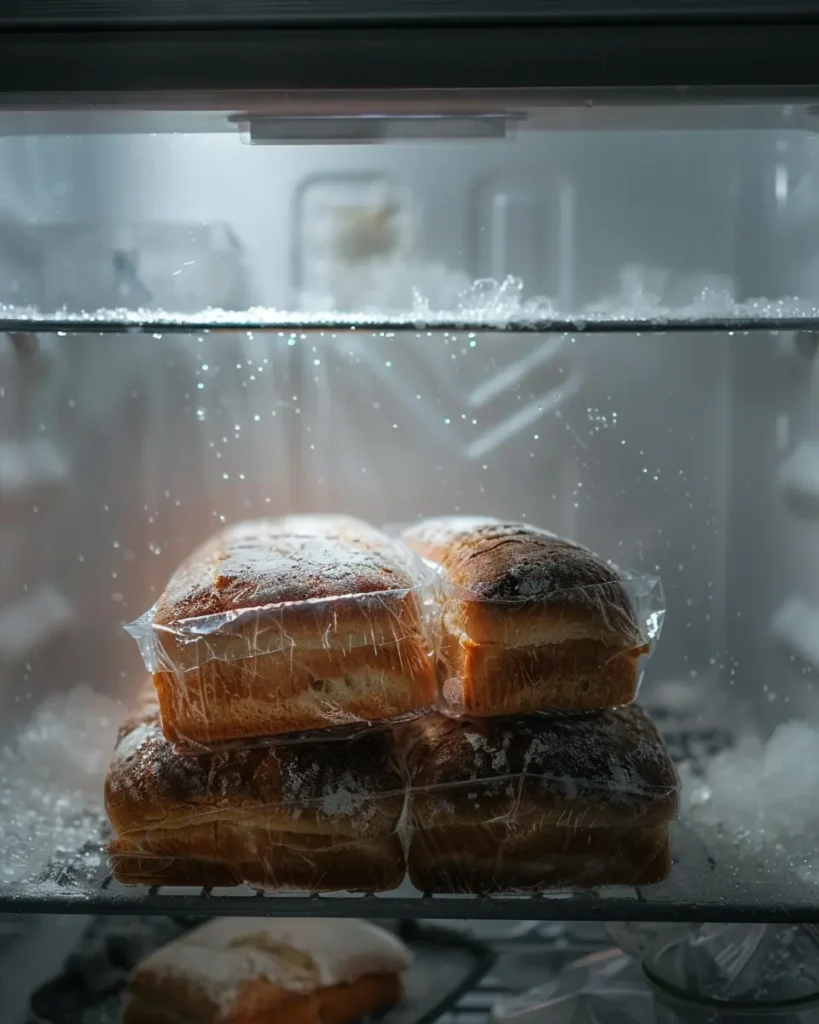
Improper cooling often creates the same moisture imbalance discussed in our how to fix carnivore bread guide.
How to Extend Carnivore Bread Shelf Life
The most impactful preservation decisions happen in the first hour after the bread finishes cooling. These steps determine the freshness trajectory for everything that follows.
Cool completely before storing. Allow the bread to cool on a wire rack for at least 60 to 90 minutes before placing it in any container. Storing warm bread traps steam, which condenses on interior surfaces and accelerates mold. This single step eliminates the most common cause of early spoilage.
Use airtight containers. Store in a container with a tight-fitting lid or in a zip-lock bag with all air pressed out before sealing. Airtight storage prevents moisture loss in the refrigerator and blocks ambient humidity from entering at room temperature.
Refrigerate for week-long storage. Place the cooled loaf or slices in a sealed bag, press out air, and store on a middle shelf in the main compartment — not the door, where temperature fluctuates with each opening. Refrigerator-stored bread may feel slightly firmer when cold; a brief rest at room temperature before eating restores texture.
When you mention that carnivore bread has no preservatives and spoils faster, link to USDA general food safety principles
Freeze in individual portions. Wrap each slice individually in parchment paper, then place all wrapped slices into a single freezer-safe zip-lock bag with air removed. Label each bag with the freezing date. For complete organization guidance, visit our freezer storage guide.
Thaw correctly. Move frozen bread to the refrigerator overnight or allow it to rest at room temperature for one to two hours. Avoid microwaving from frozen — it creates uneven moisture distribution, making some areas rubbery while others dry out. Once thawed, consume within two days and do not refreeze.
Monitor for condensation. If moisture beads appear inside the storage bag during refrigeration, open briefly to let moisture escape, pat the bread dry with a paper towel, and reseal. Persistent condensation means the bread was not fully cooled before initial storage. For batch storage strategies, see our carnivore meal prep guide.
Common Storage Mistakes
Most cases of premature spoilage trace back to a small number of consistent errors.
Storing warm bread. Steam from warm bread condenses on the cooler interior of the bag or container, creating the humid micro-environment mold needs to establish. Letting the bread cool on a wire rack first eliminates this problem entirely.
Loose or improper wrapping. A zip-lock bag with air pressed flat before sealing costs almost nothing and prevents both fridge drying and ambient humidity exposure. Loosely wrapped bread deteriorates in both directions.
Repeated thawing and refreezing. Each freeze-thaw cycle causes water crystals to form and rupture cell walls, making the bread progressively gummier. Freezing in individual slice portions eliminates the need to thaw more than you plan to eat.
Ignoring refrigerator condensation. Every time the refrigerator door opens, warm air enters and temperature near the door rises briefly. Over several days, repeated moisture condensation inside the storage bag creates a wet micro-environment that shortens usable life. Checking the bag every two to three days and patting away any moisture before resealing is a simple preventive habit.
Storing in the warmest parts of the fridge. The door and top shelf experience the most temperature fluctuation. Store carnivore bread on a middle shelf in the main compartment for the most stable temperature.
Pre-slicing the entire loaf. Slice only what you need for immediate use and wrap the rest, or portion into individual freezer slices from the start. Each cut surface is an additional point of air and moisture contact that reduces overall freshness. Batch-cooking strategies for managing this efficiently are covered in our carnivore meal prep guide.
Your Questions, Answered
How long does carnivore bread last at room temperature?
Carnivore bread lasts 2 to 3 days at room temperature when stored in an airtight container in a cool, dry spot. In humid kitchens or warm climates, this drops to 1 to 2 days. Refrigeration is the better choice if you will not finish it the same day.
How long does carnivore bread last in the refrigerator?
Carnivore bread lasts 7–10 days in the refrigerator when stored in an airtight container with no trapped condensation.
Can you freeze carnivore bread?
Yes. Carnivore bread freezes well and maintains good quality for 2 to 3 months. Wrap individual slices in parchment paper before placing them in a freezer-safe zip-lock bag. Label the bag with the freezing date.
How do you know if carnivore bread has gone bad?
The clearest signs are a sour or off smell, visible mold in any color, a sticky or slimy surface, significantly gummier texture than when fresh, and unexpected discoloration. Smell is usually the first indicator — if it smells wrong, discard regardless of appearance.
Why does my carnivore bread get wet inside the storage bag?
Condensation inside the bag almost always means the bread was sealed before it was fully cooled. It can also occur when refrigerated bread is repeatedly moved to room temperature and back. Cool completely before sealing and minimize temperature cycling after storage begins.
Is it safe to eat carnivore bread after 10 days in the fridge?
It is not recommended. Bacterial growth can reach unsafe levels before visual spoilage indicators appear. The 7 to 10 day window is a practical safety guideline. Any off odor or slimy surface means discard without tasting.
The Bottom Line
Carnivore bread lasts 2 to 3 days at room temperature, 7 to 10 days refrigerated, and up to 3 months in the freezer. The most impactful single habit is allowing the bread to cool completely before sealing — this one step eliminates the condensation cycle responsible for most early spoilage.
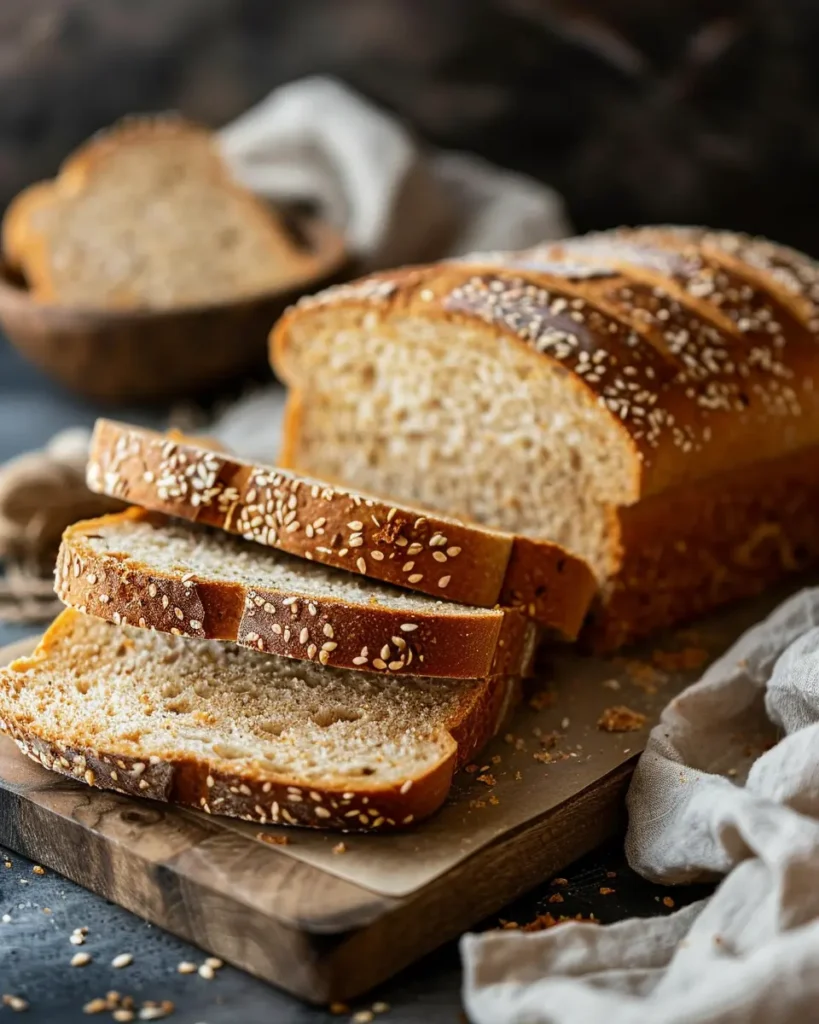
For day-to-day use, refrigeration in an airtight container is the optimal balance of convenience and freshness. For batch cooking and longer planning, individual-slice freezer storage extends your investment without sacrificing quality. Moisture management is the central skill: control condensation, prevent steam trapping, choose airtight containers — and you will consistently reach the upper end of every storage window.