
Carnivore bread should be stored in the fridge for 4–5 days or frozen for up to 3 months. Always cool completely before sealing, wrap in parchment, and store in an airtight container to prevent moisture buildup and spoilage.
Carnivore bread storage means keeping egg-and-animal-fat-based bread fresh, safe, and ready to eat without losing texture or flavor. Stored correctly, carnivore bread lasts 4 to 5 days in the fridge and up to 3 months in the freezer. The key is cooling completely before sealing and choosing the right container for each method.
If you’re also making sandwich-style bread or buns, proper storage becomes even more important. You can explore our carnivore buns guide for more practical bread alternatives.
Table of Contents
Table of Contents
What Is Carnivore Bread and Why Does Storage Matter?
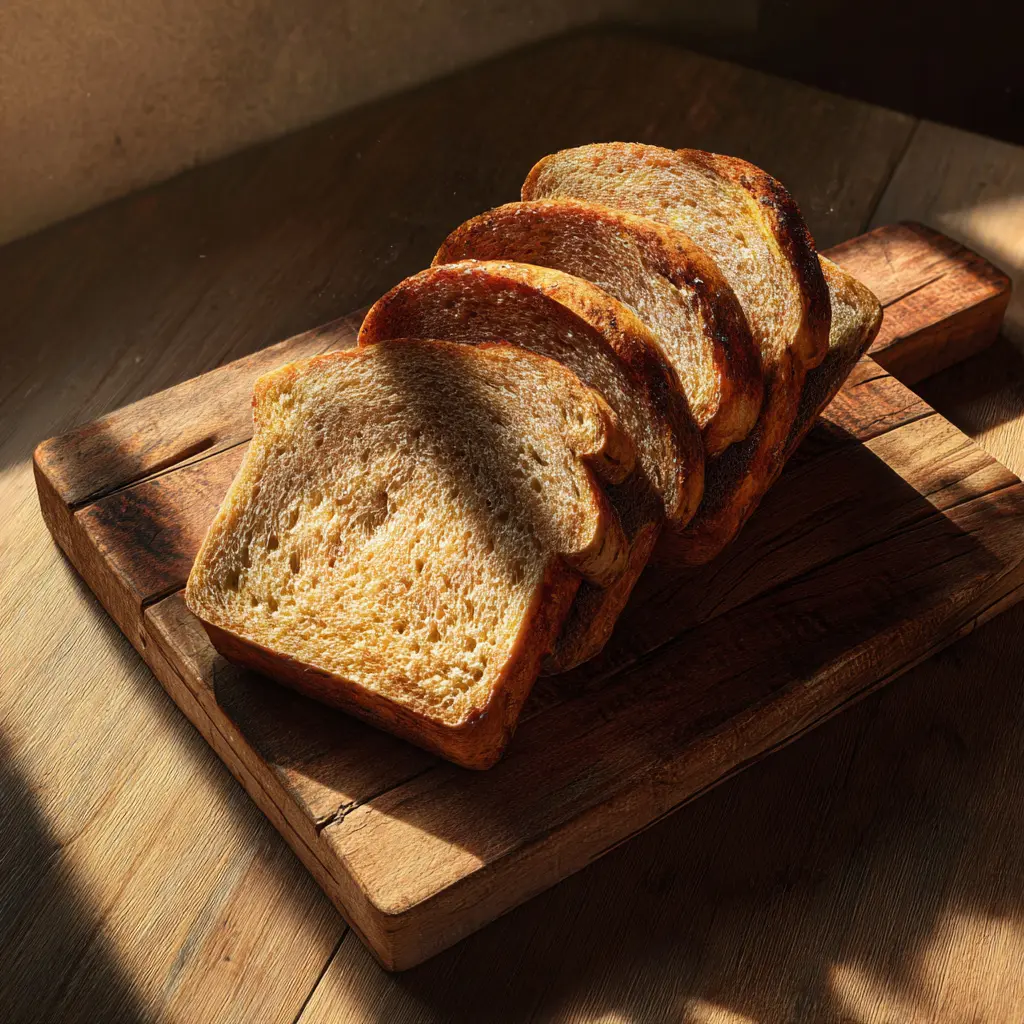
Carnivore bread is made entirely from animal-based ingredients — primarily eggs, cream cheese, and animal fat. There is no flour, no starch, and no preservatives. That last point is what makes carnivore bread storage so different from storing conventional bread.
Regular bread stays shelf-stable for days because of its starch structure and added preservatives. Carnivore bread is essentially a baked egg product. It behaves more like a frittata than a loaf — which means it needs refrigeration, not a bread box.
If you’ve followed our [carnivore bread recipe] and ended up with a beautiful loaf, the last thing you want is to find it soggy or off two days later. Getting the storage right is just as important as getting the bake right.
Why carnivore bread spoils faster than conventional bread
Conventional bread is low in protein and moisture-stable. Carnivore bread is high in egg protein, which begins to degrade at room temperature within a few hours. Leaving it on the counter overnight is not a storage option — it’s a food safety risk.
Who needs to know this
Anyone baking their own carnivore bread at home, meal preppers batch-baking for the week, and anyone who has ever thrown out a loaf that went off before they could finish it.
Why Proper Carnivore Bread Storage Protects More Than Freshness
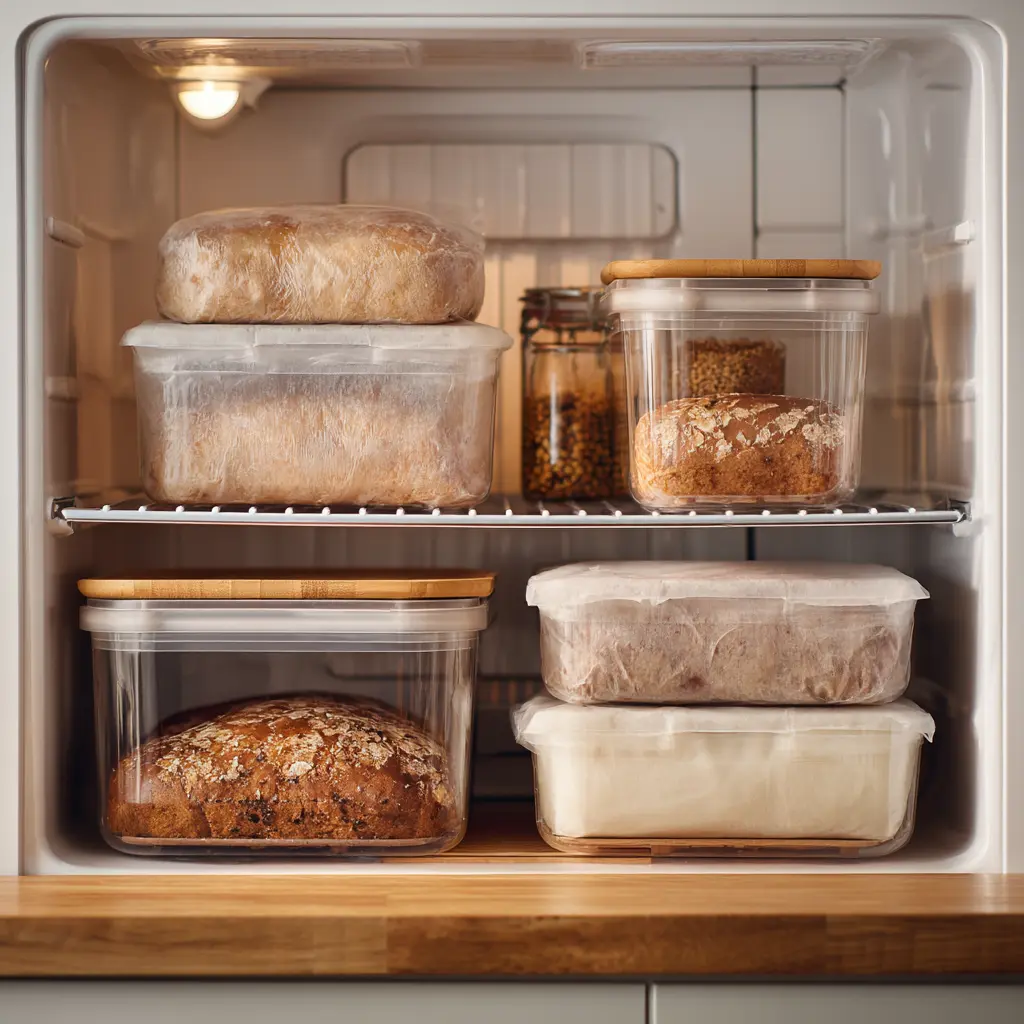
Beyond taste and texture, proper carnivore bread storage protects your health. Egg-based baked goods left at room temperature for more than 2 hours enter the bacterial growth danger zone. Storing bread correctly isn’t just about freshness — it’s about food safety.
For people following a structured approach, combining proper storage with carnivore meal prep ensures you always have ready-to-eat options without breaking your diet.
From a nutritional standpoint, carnivore bread carries a glycemic index of zero. No carbohydrates, no starch, no blood sugar impact. But those benefits only matter if the bread is still safe and palatable when you eat it. Poor storage erases the effort you put into making it.
Shelf life is also a practical tool for diet adherence. When compliant food is stored well and ready to use, you eat on plan. When it’s gone off or forgotten at the back of the fridge, you improvise — and improvising on a carnivore diet often means going off-plan.
The glycemic advantage of zero-carb bread — only if you actually eat it
Carnivore bread contains 0g of carbohydrates. It produces no insulin response and no blood glucose spike. For people managing type 2 diabetes or insulin resistance, it is one of the safest bread substitutes available. But a spoiled loaf offers zero of those benefits. Storage is the bridge between baking and actually eating well.
Carnivore Bread Shelf Life: Exact Timeframes by Method
This is the most searched question around carnivore bread storage, so here it is clearly:
Room temperature: Maximum 2 hours after baking. Not a viable storage option.
Refrigerator: 4 to 5 days in an airtight container. Best for bread you’ll use within the week.
Freezer: Up to 3 months. Best for batch-baked loaves or slices you won’t use immediately.
Vacuum-sealed in fridge: Up to 7 days. Best extension method without freezing.
Shelf life by bread type
Different carnivore bread styles have slightly different storage windows due to their fat and moisture content:
— Standard egg-white loaf: 4–5 days fridge, 2–3 months freezer — Cream cheese-based loaf: 4 days fridge (higher moisture), 3 months freezer — Ground beef or pork rind crust bread: 3–4 days fridge, 3 months freezer — Sliced sandwich-style carnivore bread: 3–4 days fridge (more surface area = faster drying), 3 months freezer
For sliceable loaves similar to what we cover in our [carnivore sandwich bread guide], slicing before freezing is strongly recommended — it lets you pull individual portions without thawing the entire loaf.
How long does carnivore bread last?
- Fridge: 4–5 days
- Freezer: up to 3 months
- Room temp: max 2 hours
Proper storage prevents sogginess and spoilage.
Best Methods for Storing Carnivore Bread
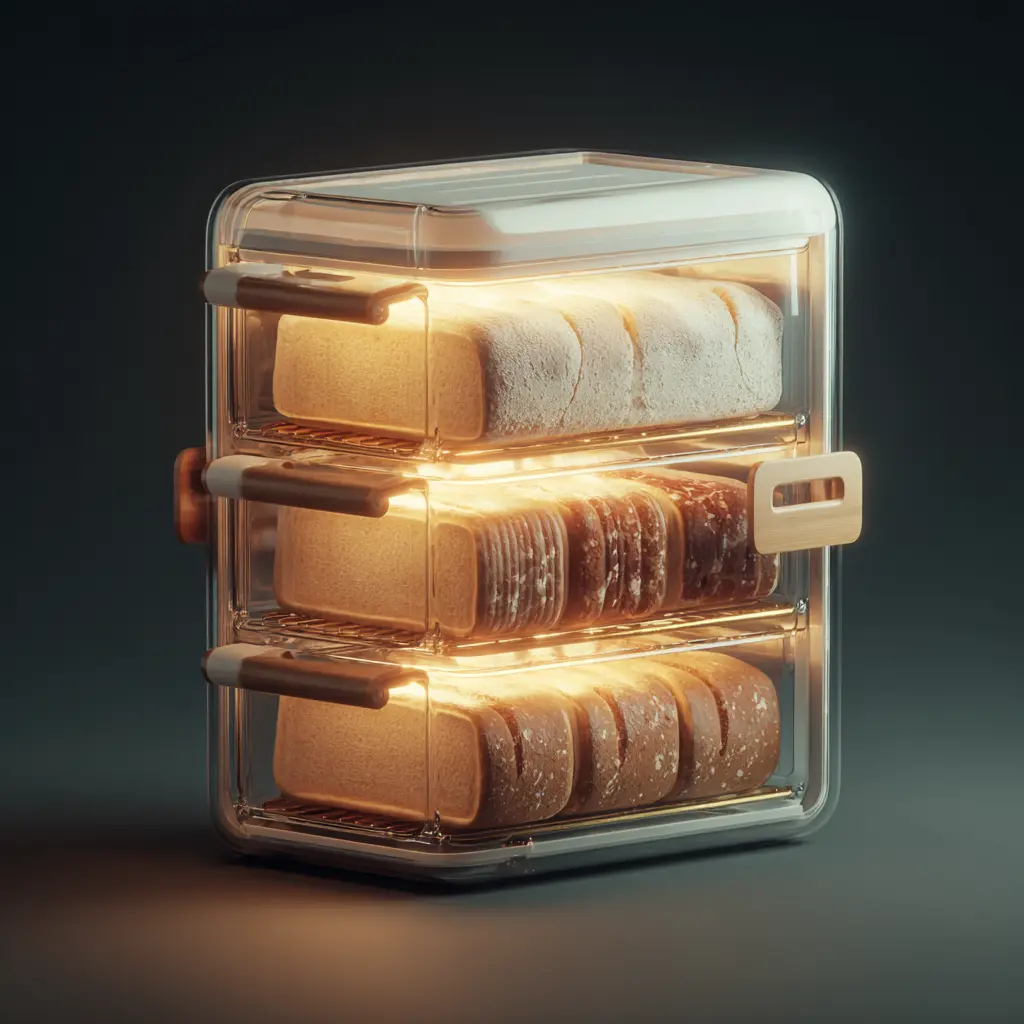
Method 1: Refrigerator storage (most common)
This is the default for bread you plan to use within 4 to 5 days.
- Cool the bread completely on a wire rack — minimum 30 minutes, ideally 45.
- Wrap loosely in parchment paper first. This absorbs surface moisture before it becomes a problem.
- Place the parchment-wrapped bread in an airtight container or zip-lock bag.
- Squeeze out excess air before sealing.
- Store in the main fridge compartment, not the door — temperatures are more stable in the center.
- Label with the bake date.
Do not skip the cooling step. A warm loaf sealed immediately creates condensation inside the container. That moisture softens the crust, makes the interior gummy, and accelerates bacterial growth.
Method 2: Freezer storage (best for batch baking)
Freezing is the most efficient carnivore bread storage method for anyone batch-cooking. A Sunday bake can feed you for a month if frozen properly.
- Cool completely — same rule applies.
- Slice the loaf before freezing if it’s a sandwich-style bread. Freezing whole and slicing later is harder and wastes bread.
- Lay individual slices on a parchment-lined baking tray in a single layer.
- Flash-freeze for 1 hour uncovered. This prevents slices from fusing together.
- Transfer flash-frozen slices into a zip-lock freezer bag, removing as much air as possible.
- Label with the date and type.
- Freeze flat. Store for up to 3 months.
This method works especially well if you prepare multiple foods at once. Pair it with carnivore snacks to build quick meals without daily cooking.
Method 3: Vacuum sealing (maximum fridge shelf life)
If you have a vacuum sealer, this is the best method for refrigerator storage. Removing all oxygen slows oxidation and bacterial growth significantly, extending fridge life to 6–7 days without freezing.
Slice first, vacuum seal individual portions or pairs of slices, and refrigerate. Pull one portion at a time without exposing the rest to air.
Method 4: Reheating from frozen
Oven: 150°C for 6–8 minutes directly from frozen. Best texture recovery. Air fryer: 160°C for 4 minutes. Produces a slightly crisper exterior. Toaster: Works well for slices — toast from frozen on medium setting for 2 cycles. Microwave: Avoid. It steams the bread from inside, creating a rubbery, wet texture.
Carnivore Bread Storage: Quick Reference Table
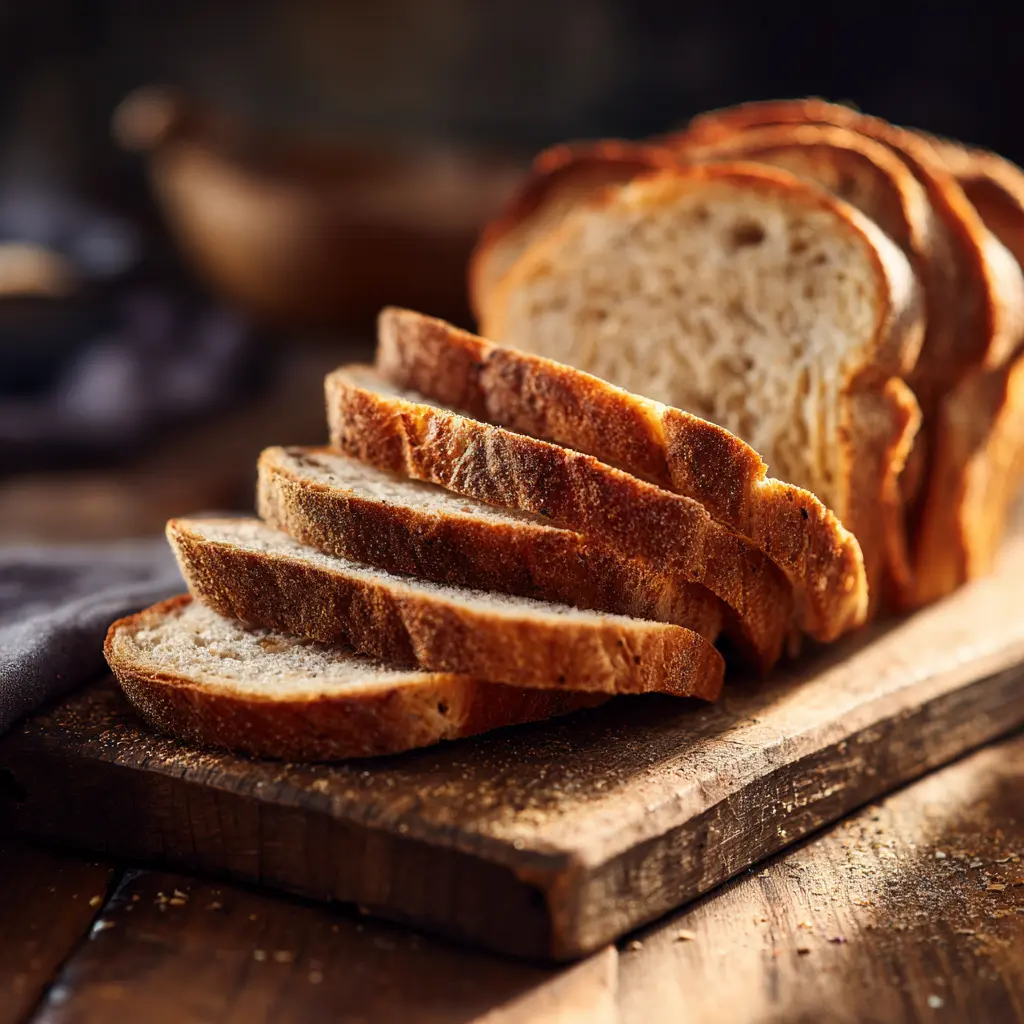
| Method | Duration | Best For | Container |
|---|---|---|---|
| Room temperature | 2 hours max | Just-baked, immediate use | None / wire rack |
| Refrigerator | 4–5 days | Daily use bread | Airtight container + parchment |
| Vacuum-sealed fridge | 6–7 days | Extended fridge life | Vacuum bag |
| Freezer (sliced) | Up to 3 months | Batch prep, long-term stock | Freezer bag (air removed) |
| Freezer (whole loaf) | Up to 3 months | Whole loaves, less practical | Wrap in parchment + freezer bag |
Best way to store carnivore bread:
- Cool completely
- Wrap in parchment
- Store airtight
- Refrigerate or freeze
This keeps texture firm and prevents moisture buildup.
Common Carnivore Bread Storage Mistakes ❌
Storing warm bread
The most common and damaging mistake. Warm bread in a sealed container generates steam. That steam becomes condensation. Condensation makes the crust soft, the crumb wet, and the bread go off faster — not slower. Always cool to room temperature on a wire rack before any storage.
Skipping the parchment layer
Putting carnivore bread directly into a plastic container causes the surface to sweat against the hard sides. The parchment wrap creates a breathable buffer that absorbs excess moisture before it damages the texture.
Using a bread box
Bread boxes are designed for starch-based bread that benefits from slight airflow. Carnivore bread needs a sealed environment and refrigeration. A bread box at room temperature will have your loaf spoiled within a day.
Freezing a whole unsliced loaf without planning
Technically fine for storage, but impractical for daily use. To get a slice, you have to thaw the entire loaf, which wastes bread and introduces more freeze-thaw cycles. Always slice before freezing unless you plan to use the whole loaf in one sitting.
Not labeling
A container without a date in the fridge is a guessing game. Two similar-looking loaves in the freezer become indistinguishable without labels. Write the date and the recipe variant every time, without exception.
Refreezing thawed bread
Once thawed, do not refreeze. Repeated freezing degrades both texture and food safety. Thaw only what you’ll eat within 24 hours. Individual slicing and flash-freezing makes this easy — pull one or two slices at a time.
Expert Tips for Keeping Carnivore Bread Fresh Longer 🔥
Toast before eating, always. Even a refrigerated slice that’s a few days old transforms with 2 minutes face-down in a dry skillet or in the toaster. Heat restores structure and brings back the crust. Eating it cold and soft is the worst way to experience carnivore bread.
Use desiccant packets in the container. Food-safe silica gel packets (the kind used for beef jerky storage) placed inside the container absorb ambient moisture and extend fridge life by a day or two. Optional, but effective.
Keep slices separated in the freezer bag. After flash-freezing, place a small square of parchment between each slice in the bag. This makes it easy to pull exactly one slice without the others moving.
Never store carnivore bread next to strong-smelling foods in the fridge. Egg-based bread absorbs odors from the fridge environment. Keep it away from onions, fish, or strongly spiced leftovers. A sealed container handles this, but it’s worth being deliberate about placement.
Rotate your freezer stock. New batch goes to the back, older stock comes to the front. First in, first out. This ensures you’re never eating 3-month-old slices while fresh ones accumulate behind them.
Carnivore Bread Storage for Diabetics and Metabolic Health
If you are managing blood sugar, carnivore bread is one of the most useful foods you can keep consistently stocked. Its glycemic index is zero. It produces no postprandial blood glucose response. The protein and fat content supports satiety without triggering insulin spikes.
For a more complete approach, following a structured carnivore diet plan alongside proper food storage helps maintain consistency and long-term results.
The challenge for diabetic meal planners is consistency. When compliant bread isn’t available, the temptation to reach for a conventional option is real. A reliable carnivore bread storage system solves that problem by ensuring you always have a safe option ready — in the fridge for this week, in the freezer as backup.
Portion guidance for blood sugar management
One to two slices per meal is appropriate for most people. Each slice contains 0g carbohydrates, 5–8g protein, and 7–10g fat depending on the recipe. The fat and protein combination is highly satiating, which supports meal spacing and prevents overeating.
If you are on glucose-lowering medication, speak with your healthcare provider before making significant dietary changes. The absence of carbohydrates in this bread is a genuine metabolic advantage — but managing medication alongside dietary shifts requires professional guidance.
Fixing Carnivore Bread That Didn’t Store Well
Sometimes storage goes wrong — not because of a mistake, but because the bread wasn’t quite right before it went in. If you’ve opened a container and found bread that’s wet, collapsed, or off in texture, our [carnivore bread fix guide] walks through the most common baking issues that affect storability and how to correct them before the next batch.
The most common root cause: underbaking. A loaf that isn’t fully set in the center will always deteriorate in storage, regardless of how well you seal it. The fix is baking an extra 5–10 minutes and always checking the internal temperature before removing from the oven.
Variants and Their Storage Differences
Sliceable sandwich loaf
The most practical for daily use. Slice before freezing, store in portions. See our [carnivore sandwich bread] article for the full recipe and slicing technique. Fridge life: 3–4 days (more surface area exposed per slice). Freezer: 3 months.
Egg white cloud bread rounds
Higher moisture content than dense loaves. More delicate in storage. Best consumed within 3 days from the fridge, or frozen immediately after cooling. Separate each round with parchment — they stick more than denser varieties.
Ground beef flatbread
Lower moisture, denser structure. Stores exceptionally well — up to 5 days in the fridge without texture loss. Freezes well. Reheats best in a dry skillet rather than the oven.
Pork rind bread
Slightly crisper structure. Loses its crunch faster than other varieties once refrigerated. Best practice: store in the fridge for up to 4 days, then re-crisp in a dry pan or air fryer before eating rather than eating cold.
FAQ
How long does carnivore bread last in the fridge?
4 to 5 days in an airtight container with a parchment layer inside. Always cool completely before sealing. Label with the bake date so you never have to guess.
Can you freeze carnivore bread?
Yes. Slice first, flash-freeze on a tray for 1 hour, then transfer to a freezer bag with the air removed. It keeps for up to 3 months. Reheat from frozen in a 150°C oven for 6–8 minutes.
Why does my carnivore bread go soggy in the fridge?
Almost always because it was stored before it fully cooled. The residual heat creates steam inside the container. Let it rest on a wire rack for at least 30 to 45 minutes before sealing.
Is carnivore bread safe for diabetics to eat every day?
Yes. It contains zero carbohydrates and produces no blood glucose response. It is one of the safest bread alternatives for type 2 diabetes and insulin resistance. Consult your doctor if you are on medication.
Can I leave carnivore bread on the counter overnight?
No. Egg-based bread is a high-protein, perishable food. It should not be left at room temperature for more than 2 hours. Always refrigerate or freeze within that window.
If your carnivore bread keeps going soggy, apply this storage method this week and notice the difference immediately.
Conclusion
Carnivore bread storage doesn’t have to be complicated. The rules are simple: cool completely, wrap in parchment, seal airtight, refrigerate for the week or freeze for the month. Label everything. Toast before eating. Never leave it on the counter.
Follow these steps and you’ll never open a container to find a ruined loaf again. Your bread will be fresh, safe, and ready every time you need it — whether you baked it yesterday or three months ago.
For the base recipe, visit our [carnivore bread recipe]. For sliceable options, see our [carnivore sandwich bread guide]. And if something went wrong with your last bake, our [carnivore bread fix guide] has the answers.
At Looksyumy, we’re proud to share recipes that bring people together around the table, creating moments worth remembering with nothing more than three simple ingredients. These carnivore burger buns are just the beginning of what’s possible when you embrace the power of simplicity in the kitchen.
For more updates, follow us on instagram.