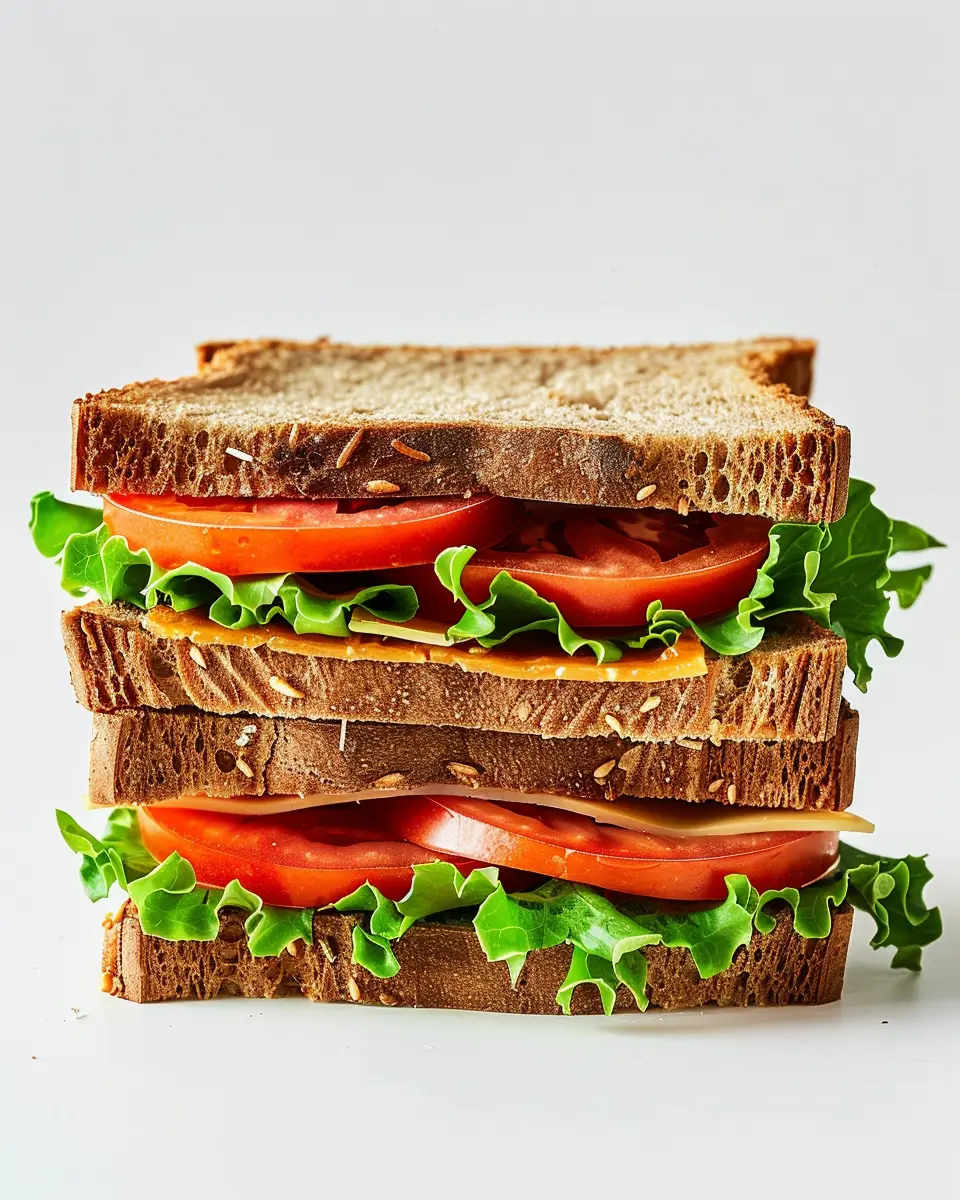
Carnivore bread is one of the highest-protein bread alternatives available, delivering roughly 8 to 15 grams of protein per slice depending on the specific formulation, slice thickness, and ingredient ratios used. That range places a single slice of carnivore bread on par with or above a large egg in protein content — a meaningful comparison given that conventional wheat bread typically provides 2 to 4 grams of protein per slice. The reason for this dramatic difference is not a nutritional enhancement but a structural one: carnivore bread is built entirely from animal-based ingredients that are inherently protein-dense, meaning every component of the bread contributes to the protein total rather than diluting it with starch. For a complete macro breakdown that places protein alongside the bread’s other nutritional components, see our carnivore bread macros guide.
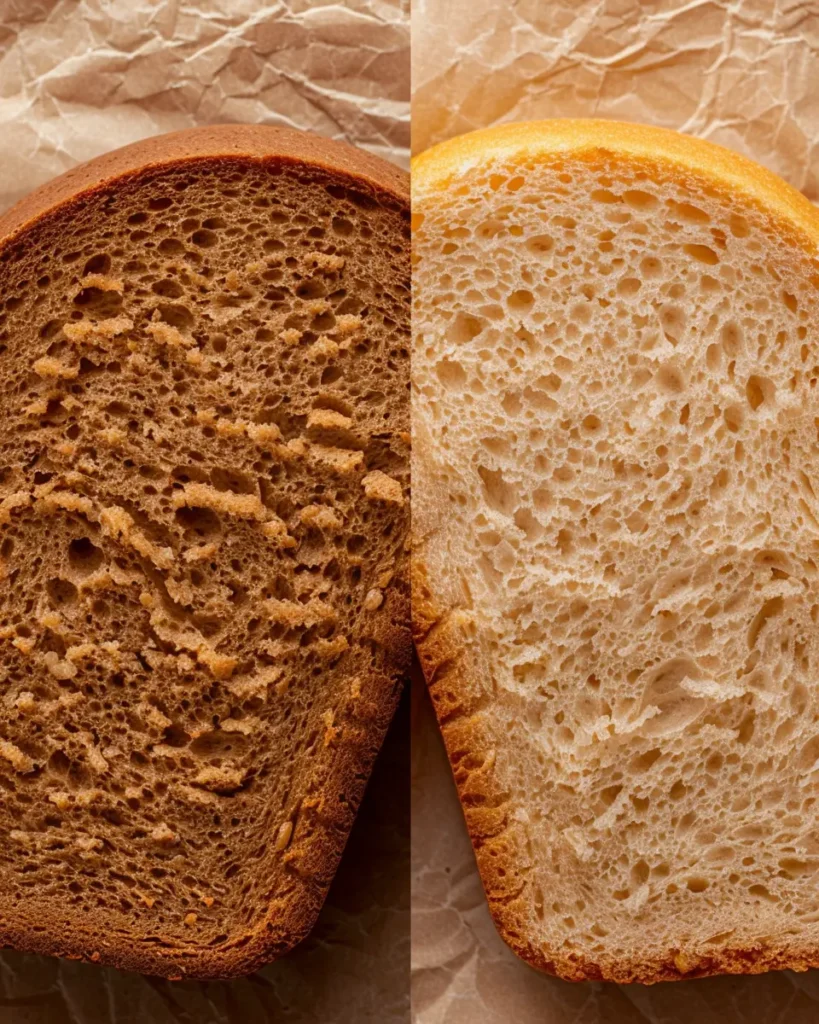
Carnivore bread usually contains 8–15 grams of protein per slice depending on the recipe, egg quantity, dairy type and slice thickness. Meat-based versions can exceed 20 grams per slice.
carnivore bread protein content
Table of Contents
How Much Protein Is in Carnivore Bread?
The protein content of carnivore bread varies more than most nutrition guides acknowledge, and understanding why requires looking at both the ingredient side and the serving-size side of the equation simultaneously.
Average protein ranges per slice
A standard slice of carnivore bread — cut to approximately half an inch thick — typically contains between 8 and 12 grams of protein. Denser, higher-egg formulations reach 12 to 15 grams per slice. Lighter versions that use a higher proportion of cream cheese or soft dairy ingredients relative to eggs may fall at the lower end of the range, around 6 to 9 grams per slice. These are not arbitrary variations — they reflect specific differences in ingredient ratios that directly drive protein concentration.
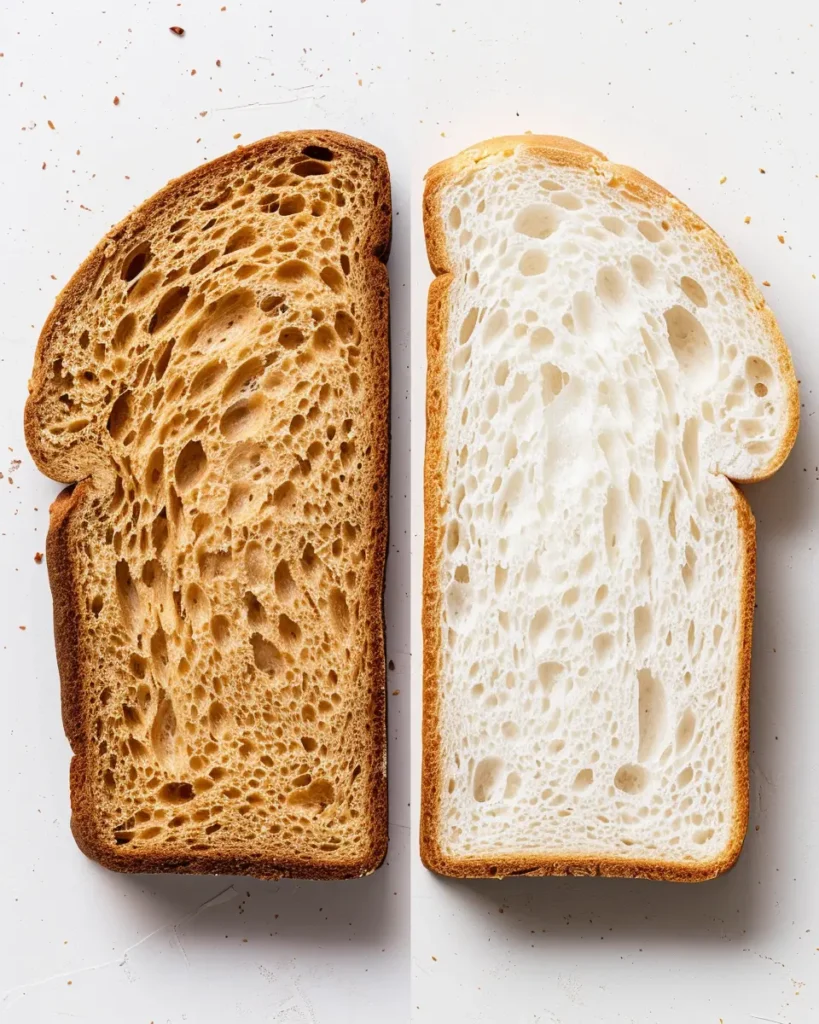
The Dense Slice Effect is worth understanding here. Because carnivore bread contains no flour to add bulk without adding protein, a thicker slice of carnivore bread contains proportionally more protein than a thicker slice of conventional bread would. In wheat bread, a thicker slice adds mostly carbohydrate and some starch-diluted protein. In carnivore bread, a thicker slice adds primarily protein and fat — the structural ingredients that make up the entire loaf. These density differences also affect bread structure and texture behavior, which we explain further in our texture troubleshooting guide.
Serving-size variability
Slice thickness is the single most significant variable in how much protein a serving of carnivore bread actually delivers. Does thicker carnivore bread contain more protein? Yes. Thicker slices contain significantly more protein because carnivore bread has no low-protein filler ingredients.
A half-inch slice and a three-quarter-inch slice from the same loaf can differ by 4 to 6 grams of protein — enough to make the difference between a moderate and a high protein contribution to a meal. Protein density depends more on ingredient concentration than loaf size, For a complete nutritional breakdown beyond protein alone, see our carnivore bread macros guide.
which means two loaves with identical dimensions can deliver different protein per slice if one was made with a higher egg-to-dairy ratio than the other.
A practical way to think about it: if you know the total protein content of the whole loaf and the number of slices it yields, you can calculate per-slice protein accurately. A 10-slice loaf with 100 grams of total protein delivers 10 grams per slice regardless of slice size. The variables are loaf protein total and number of slices — both are in your control.
Comparison to conventional bread
| Bread type | Protein per slice (avg.) |
|---|---|
| Conventional white bread | 2–3 g |
| Whole wheat bread | 3–4 g |
| Sourdough | 4–5 g |
| Protein-enriched commercial bread | 6–8 g |
| Carnivore bread (standard) | 8–12 g |
| Carnivore bread (dense/high-egg) | 12–15 g |
The gap between carnivore bread and even protein-enriched commercial bread is significant. Commercial high-protein breads achieve their protein boost by adding isolated protein powders to a wheat base. Carnivore bread’s protein is structural — it comes from the ingredients that form the bread itself, not from additions designed to increase a number on a label.
Where the Protein in Carnivore Bread Comes From
Why is carnivore bread high in protein? Carnivore bread uses eggs, cheese and sometimes meat instead of flour, so nearly every ingredient contributes protein.
Every gram of protein in carnivore bread originates from animal-based ingredients. There is no plant-based protein, no fortification, and no supplementary protein addition in a standard carnivore bread formulation. The protein is intrinsic to the structure of the bread itself — what might be described as the Structural Protein Load.
Eggs: the primary protein driver

Eggs are the dominant protein source in most carnivore bread formulations. How much protein do eggs add to carnivore bread? Most recipes use 4–8 eggs per loaf, contributing roughly 24–56 grams of total protein before dairy or meat additions.
A large egg contains approximately 6 to 7 grams of protein, The protein content of eggs is documented in USDA nutrition data and forms the structural foundation of most carnivore bread recipes.
with the majority in the white and a meaningful contribution from the yolk. A standard carnivore bread recipe uses anywhere from 4 to 8 eggs per loaf, making eggs responsible for 24 to 56 grams of total loaf protein depending on the formulation. Beyond their protein contribution, eggs perform the structural function that gluten performs in wheat bread — they coagulate during baking and create the network that holds the loaf together. This dual role as structural agent and primary protein source is what makes eggs foundational to carnivore bread’s high-protein profile. The structural behavior behind these protein-heavy formulations is explained further in our carnivore baking science guide.
Meat-based additions: concentrated protein boost
Some carnivore bread formulations incorporate ground meat — typically beef or pork — directly into the loaf. These versions sit at the high end of the protein range and beyond, sometimes delivering 15 to 20 grams of protein per slice. Ground beef at 80/20 fat ratio contains approximately 17 to 19 grams of protein per 100 grams of cooked meat. When incorporated into a loaf, the meat’s protein concentration is distributed throughout the entire bread, creating what is essentially a protein-delivery structure that happens to have a bread-like form and function.
Dairy: moderate protein with texture contribution
Cream cheese, hard cheese, and other dairy ingredients used in carnivore bread contribute protein alongside fat. Hard cheeses — parmesan, aged cheddar — contribute more protein per gram than soft cheeses because the lower moisture content concentrates both fat and protein. Cream cheese contributes relatively little protein compared to eggs or meat, primarily serving a texture role. The Protein Concentration Shift between a formulation that uses cream cheese as the primary dairy ingredient versus one that uses hard cheese can be 2 to 4 grams of protein per slice — a meaningful difference across a meal or a day of eating.
No protein dilution
The critical structural difference between carnivore bread protein and conventional bread protein is the absence of diluting ingredients. In wheat bread, flour constitutes the majority of the ingredient volume. Flour contains a small amount of protein (from gluten), but it also contains a large amount of starch that adds bulk without adding protein. The ratio of protein to total ingredient volume in wheat bread is low. In carnivore bread, every ingredient is protein-bearing (eggs, meat, dairy) or protein-adjacent (fat). Nothing dilutes the protein concentration because there is no filler ingredient in the formulation. This is the core reason carnivore bread’s protein content per slice is so much higher — not enhancement, but the absence of dilution.
Benefits of High-Protein Carnivore Bread
The practical implications of carnivore bread’s protein density extend beyond the nutrition numbers themselves. Understanding how that protein density changes the eating experience helps set realistic expectations for how this bread fits into a high-protein dietary approach.
Satiety that tracks with protein content
Protein is the most satiating macronutrient per gram, The relationship between protein and satiety has also been discussed extensively in nutrition research reviewed by Harvard. and carnivore bread’s elevated protein per slice means that one or two slices provide a satiety signal that two or four slices of conventional bread would not match. This is not a therapeutic claim — it is a straightforward consequence of the protein density difference. One slice of carnivore bread at 10 grams of protein activates more of the protein-related satiety response than four slices of white bread at the same total protein content would, because the timing and concentration of protein intake within a single serving matters alongside the total amount.
Convenient protein in a familiar food format
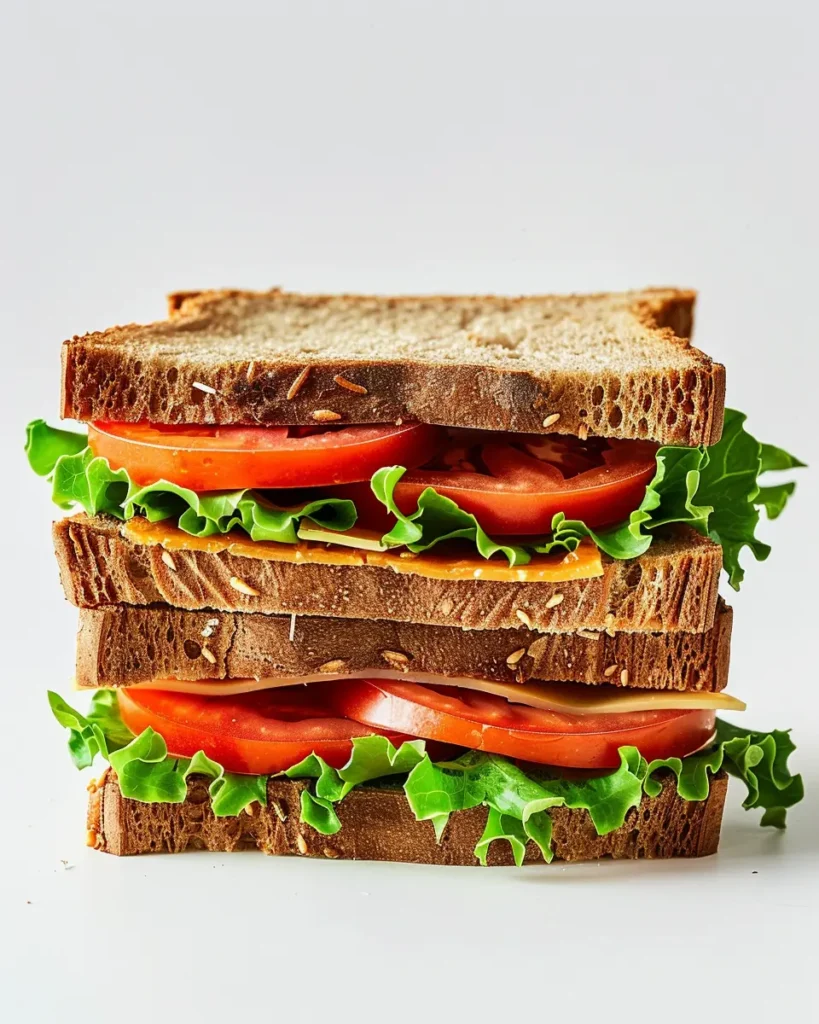
Carnivore bread functions as a protein vehicle in a format that integrates easily with established meal patterns. A sandwich made with two slices of carnivore bread delivers 16 to 24 grams of protein from the bread alone before any filling is considered. For sturdier sandwich-friendly versions, see our best carnivore bread for sandwiches guide. For people building high-protein meals around animal-based eating, carnivore bread provides a structural meal component that adds meaningful protein without requiring a separate protein source at every meal. These practical meal-building applications are covered in our high protein meals guide.
Meal prep efficiency
Because carnivore bread slices can be portioned and frozen individually, the protein it contains is accessible on demand without preparation time. A batch of 10 to 12 slices prepared over the weekend represents 80 to 144 grams of pre-portioned protein that can be incorporated into weekday meals without additional cooking. For people managing protein targets across the week, this kind of pre-built protein infrastructure is practically useful. Our carnivore meal prep guide covers batch preparation strategies that make the most of this characteristic.
Protein density in a compact serving
The Dense Slice Effect works in favor of protein efficiency: because carnivore bread is denser than conventional bread, a smaller physical volume delivers more protein. Two slices of carnivore bread may be physically smaller than two slices of standard sandwich bread while delivering two to four times the protein. For people who find conventional high-protein eating requires large food volumes, the protein-to-volume ratio of carnivore bread is a practical advantage.
Why Protein Content Varies Between Recipes
The protein range across different carnivore bread formulations — from 6 grams per slice to 20 grams or more in meat-based versions — reflects several specific structural variables. Understanding them explains both why the variation exists and how to predict where a given version will fall within the range.
Egg quantity and ratio
The ratio of eggs to other ingredients is the primary protein driver in standard carnivore bread. A formulation that uses 6 eggs with 4 ounces of cream cheese produces a structurally different bread from one that uses 8 eggs with the same cream cheese quantity — and the protein difference is approximately 12 to 14 grams per loaf, or 1 to 1.5 grams per slice on a 10-slice loaf. As egg quantity increases, both protein per loaf and structural density increase, which is the source of the High-Protein Structure Pattern found in denser carnivore bread versions: more eggs means more structural protein means denser crumb means more protein per physical volume.
Dairy type and quantity
Cream cheese contributes approximately 2 grams of protein per ounce, while parmesan contributes approximately 10 grams per ounce. A formulation that replaces cream cheese with hard cheese for the dairy component can increase per-loaf protein by 20 to 30 grams without changing the egg quantity at all. This Protein Concentration Shift from dairy substitution is one of the most significant and least discussed sources of protein variability between carnivore bread versions.
Meat inclusion
Formulations that incorporate ground meat represent a separate protein tier entirely. A loaf containing 8 ounces of cooked ground beef adds approximately 40 to 46 grams of protein to the total before eggs and dairy are counted. These versions reliably deliver 15 to 20 grams of protein per slice and represent the highest-protein end of the carnivore bread spectrum. The texture and density of meat-inclusive versions differs noticeably from egg-and-dairy versions — the crumb is heavier and the slice holds together differently — which is why some people consider them a distinct product category rather than a variation. For texture comparisons between different formulations, our texture troubleshooting guide covers the structural differences and how they affect the eating experience.
Moisture content and slice yield
Moisture content affects protein per slice in a less obvious way: higher-moisture formulations produce a loaf that yields more slices of the same thickness, which distributes the total protein across more servings. A wetter, more yielding loaf sliced to half an inch might yield 14 slices from the same total protein as a denser loaf that yields 10 slices — resulting in 30 percent less protein per slice even though the total loaf protein is identical. Slice thickness and loaf moisture are the hidden variables most protein comparisons between carnivore bread versions fail to account for.
Your Questions, Answered
How much protein is in one slice of carnivore bread?
Between 8 and 12 grams per standard half-inch slice in most formulations. Dense, high-egg versions reach 12 to 15 grams. Meat-based versions can exceed 15 to 20 grams per slice. The specific amount depends on ingredient ratios, slice thickness, and whether the formulation includes meat.
Is carnivore bread high in protein?
Yes, significantly more so than conventional bread. Wheat bread delivers 2 to 4 grams of protein per slice. Carnivore bread delivers 3 to 5 times that amount per equivalent slice, with no fortification or supplementation — the protein comes entirely from the animal-based structural ingredients.
What makes carnivore bread high in protein?
The absence of diluting ingredients. Conventional bread uses flour as its primary ingredient — a carbohydrate-dense, protein-sparse material that makes up the majority of the loaf by weight. Carnivore bread uses eggs, dairy, and sometimes meat — all protein-bearing ingredients. With no filler to dilute the protein concentration, every gram of ingredient volume contributes meaningfully to the protein total.
Does protein content change between different carnivore bread recipes?
Substantially, yes. The range runs from approximately 6 grams per slice in lighter dairy-heavy versions to 20 or more grams per slice in meat-inclusive formulations. Egg quantity, dairy type, meat inclusion, and slice thickness are the four variables that determine where a specific version falls within that range.
How does carnivore bread protein compare to protein powder bread?
Commercial protein breads add isolated protein (typically whey or pea protein) to a wheat flour base. Carnivore bread protein is structural — from the ingredients that form the bread itself. In practice, protein-per-slice totals can be similar, but carnivore bread achieves its protein without any isolated protein additions.
Does a thicker slice significantly change protein intake?
Yes. The difference between a half-inch and a three-quarter-inch slice from the same loaf is typically 4 to 6 grams of protein. For anyone managing daily protein targets with precision, slice consistency matters as much as the formulation itself.
The Bottom Line
Carnivore bread is genuinely high in protein — not as a marketing claim but as a structural consequence of being made entirely from animal-based ingredients with no diluting filler. A standard slice delivers 8 to 12 grams of protein, dense versions deliver 12 to 15 grams, and meat-based versions exceed 15 to 20 grams — all from intrinsic ingredients rather than supplementation.
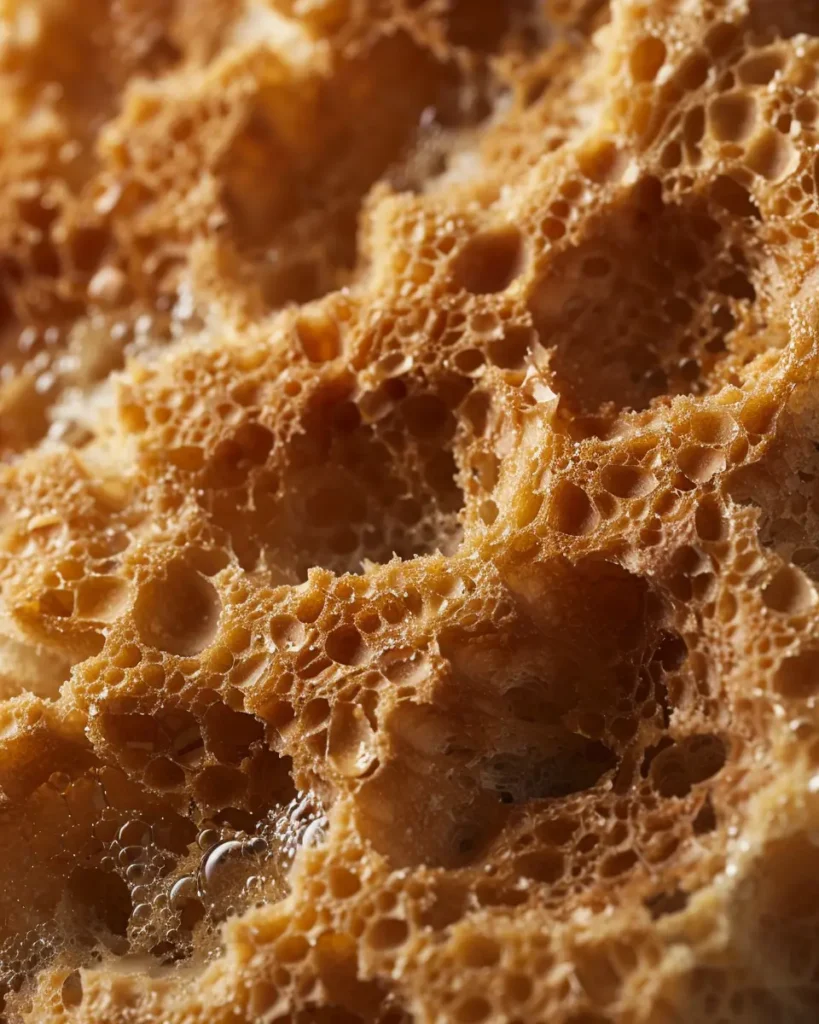
The variation between versions is predictable once you understand the four variables driving it: egg quantity, dairy type, meat inclusion, and slice thickness. Knowing which of these your specific version emphasizes tells you where it will fall within the protein range before you calculate anything.
Carnivore bread delivers unusually high protein because its structure is built almost entirely from animal-based ingredients rather than starch-heavy fillers.
For a full macro picture that places carnivore bread’s protein alongside its other nutritional characteristics, our carnivore bread macros guide provides the complete breakdown. And for practical ideas on building high-protein meals around carnivore bread as a structural component, our high protein meals guide covers the meal-planning applications in detail.