What does perfect carnivore dough consistency look like?
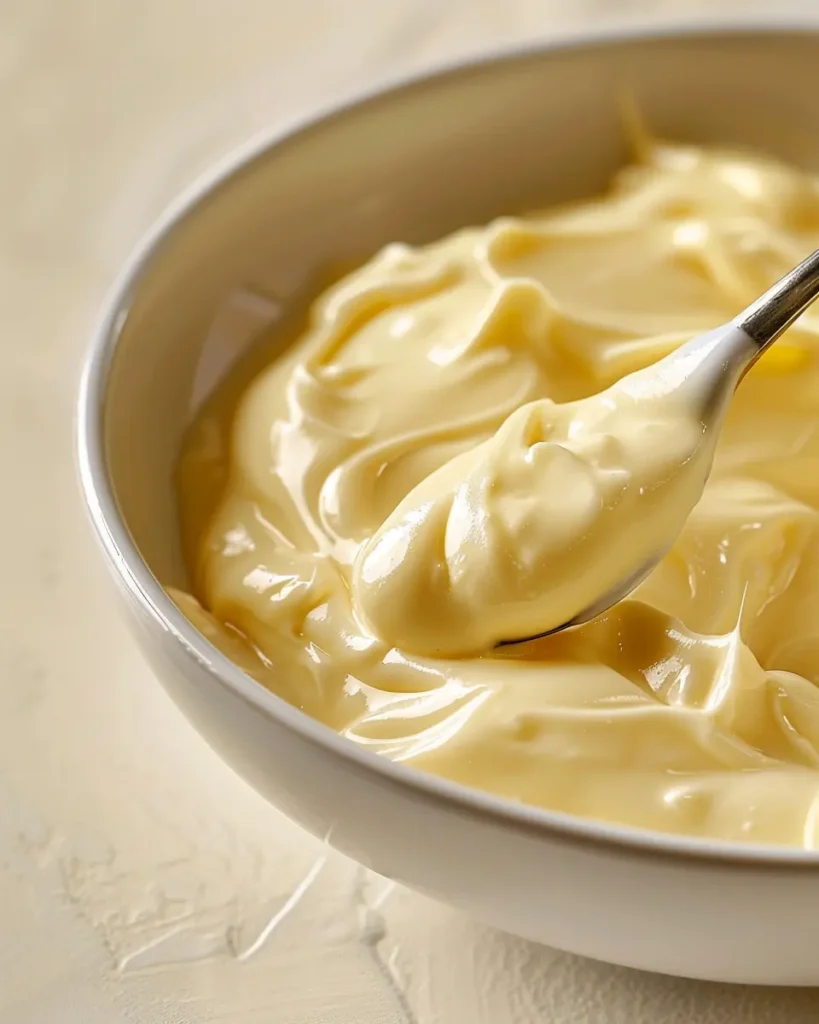
Perfect carnivore dough consistency looks like thick pancake batter — it holds its shape when scooped but flows slowly off a spoon. Too thin means too much liquid or not enough fat. Too thick means too many eggs or over-mixed protein. Getting the texture right before it hits the oven is the single biggest factor in whether your bake succeeds or fails.
If you’ve ever stared at your bowl wondering whether the batter looks right — you’re asking exactly the right question. Carnivore dough consistency is one of the most overlooked variables in animal-based baking, and it’s nearly impossible to fix once the batter is in the oven. Getting it right at the mixing stage determines everything: whether your fluffy buns actually rise, whether your bread stays dense, and whether your other baking tips even matter.
Getting the texture right at the mixing stage determines everything — whether your fluffy carnivore buns rise with a light airy structure or collapse into a dense, rubbery bake. Small consistency mistakes inside the bowl usually become much bigger once heat hits the oven.
This guide gives you a clear visual and tactile reference for what perfect consistency looks like, what the common problems are, and how to correct them before you bake.
What Is Carnivore Dough Consistency?
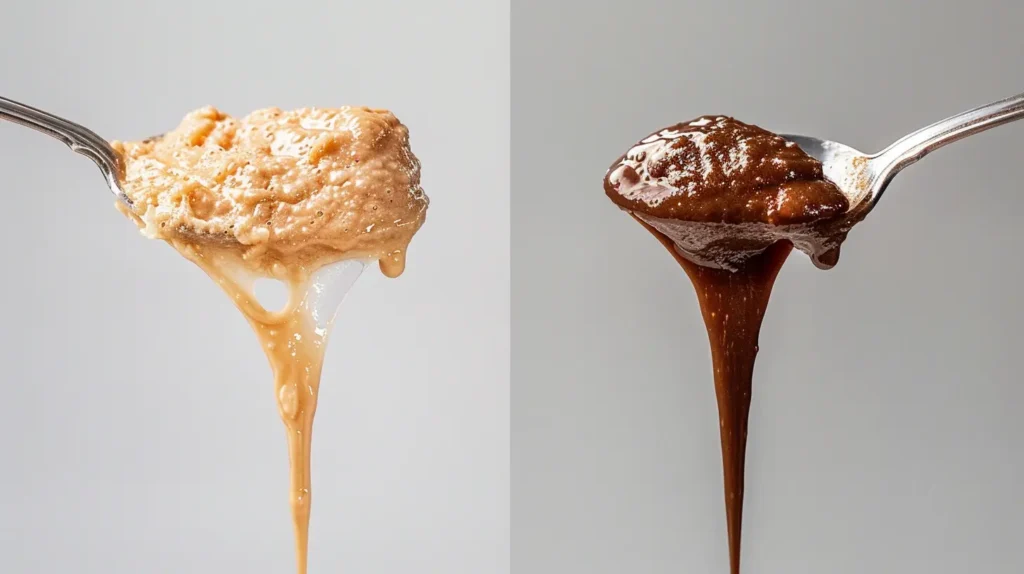
Carnivore dough consistency refers to the texture, thickness, and flow behavior of a batter made entirely from animal-derived ingredients — eggs, cream cheese, butter, tallow, and similar proteins and fats.
Unlike wheat dough which relies on gluten networks to hold shape, carnivore batter has no such network. Its consistency depends entirely on the ratio of eggs to fat, the temperature of ingredients, and how much air has been incorporated through mixing.
At Looksyumy, we don’t treat carnivore batter as guesswork. Texture is measured before the oven ever turns on.
In carnivore baking, texture is created before the batter ever enters the oven. The oven only reveals whether the structure was built correctly during mixing.
There’s no gluten to compensate for errors.
Why Getting It Right Matters
A batter that’s too thin spreads flat, bakes unevenly, and produces a rubbery, egg-heavy result with a poor fat-to-protein ratio. A batter that’s too thick bakes dense and dry, leaving you less satiated than a correctly made bake should.
Because carnivore baking relies entirely on protein and fat for structure, balance becomes the most important variable. Fat creates tenderness and richness, while protein creates stability and shape., the macronutrient balance becomes the primary nutritional lever. Fat drives satiety. Protein drives structure. A well-balanced, correctly textured batter delivers both in the right proportions — with zero blood sugar impact, making it equally relevant for diabetics and anyone managing insulin sensitivity.
The Ideal Consistency: Visual and Tactile Guide
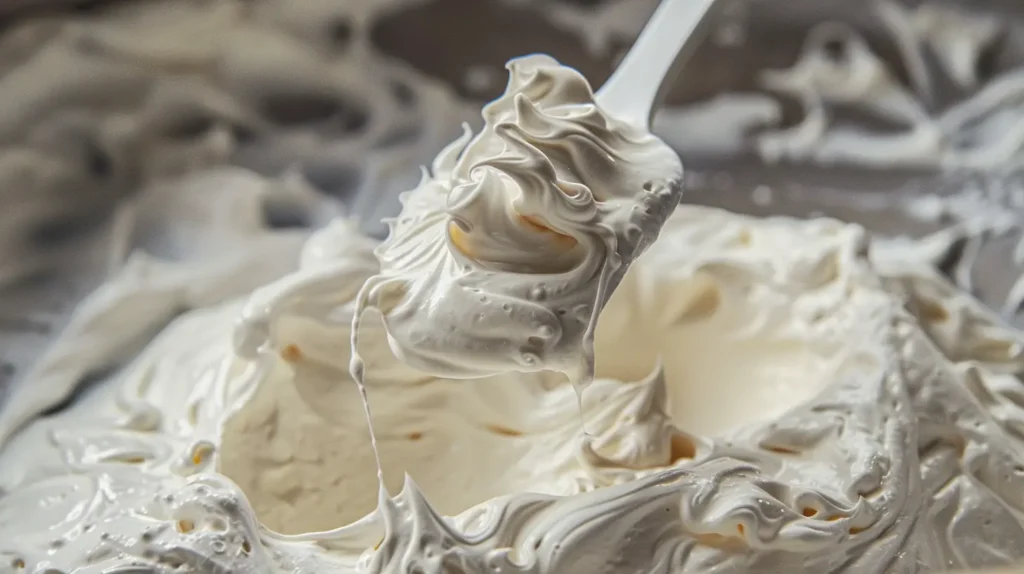
Use this as your reference point before anything goes in the oven.
Bread and buns — thick batter:
- Looks like thick Greek yogurt
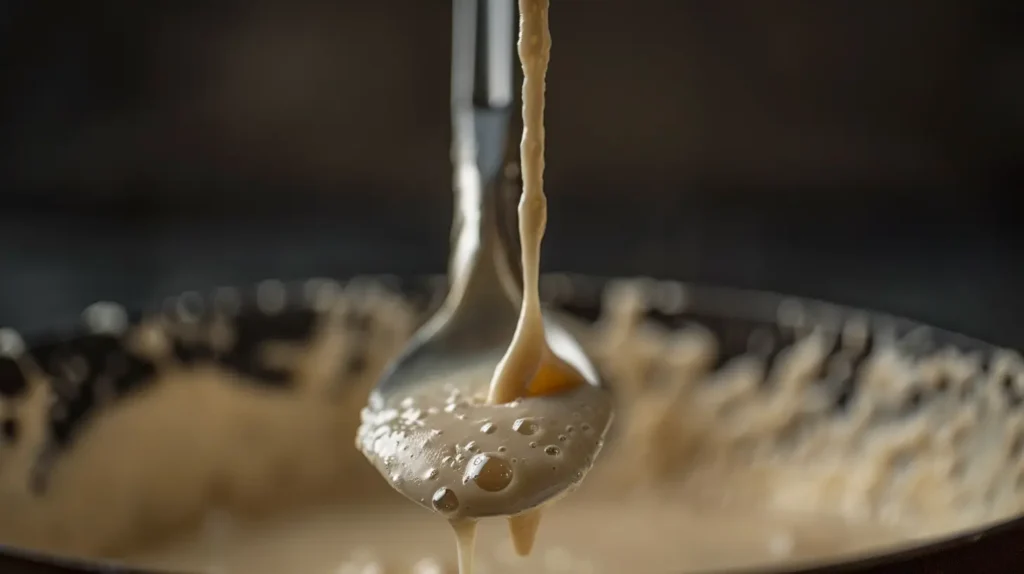
- Falls slowly off a spoon in a thick ribbon, not a splash
- Holds a soft mound when scooped but doesn’t hold sharp edges
- Slightly glossy surface from fat content
- No visible lumps of cream cheese or unmixed egg
Pancakes — medium batter:
- Looks like regular pancake batter — pourable but not watery
- Pours smoothly off a spoon in 2–3 seconds
- Spreads in the pan without needing to be pushed
Crackers — stiff dough:
- Looks like soft playdough
- Holds its shape completely when scooped
- Can be pressed flat without spreading on its own
- Slightly tacky but doesn’t stick heavily
Pizza base — medium-firm:
- Thicker than bread batter, thinner than cracker dough
- Can be spread with the back of a spoon
- Holds edges when shaped but levels slightly at the center
Consistency Problems: Causes and Fixes
| Problem | What it looks like | Cause | Fix |
|---|---|---|---|
| Too thin / watery | Pours like milk | Too much liquid fat, warm ingredients | Chill 10 min; add cream cheese |
| Too thick / stiff | Won’t move off spoon | Too many eggs, over-mixed protein | Add softened butter 1 tsp at a time |
| Lumpy | Visible white chunks | Cold cream cheese, undermixed | Room temp ingredients; blend cream cheese first |
| Separated / oily | Fat pooling on surface | Ingredients too warm, overmixed | Chill and fold gently |
| Gummy / sticky | Pulls like taffy | Too much egg white, not enough fat | Add fat; reduce whites |
| Grainy | Rough, sandy texture | Egg proteins scrambled by warm fat | Cool melted fat before adding |
| Flat after resting | Spreads and thins out | Leavening not active, too warm | Check leavening freshness; rest in cooler spot |
Many of the dense, gummy, or collapsed textures explained in this article also appear in carnivore bread baking. Understanding how protein, fat, and moisture interact makes troubleshooting much easier when structure problems start appearing.
Most carnivore baking failures are visible in the bowl long before they appear in the oven — something we focus on heavily at Looksyumy.
Common Mistakes That Wreck Consistency
Mixing warm and cold ingredients together Cold cream cheese meeting warm melted butter causes the fat to seize and the cheese to stay lumpy. Bring everything to room temperature before combining.
Overmixing after adding egg whites If you’ve whipped egg whites for lift then stirred aggressively, you’ve deflated them. The batter looks fine but bakes flat. Fold with a spatula using slow, deliberate strokes.
Judging consistency straight after mixing Carnivore batter thickens as it rests. What looks too thin at 0 minutes often reaches the right consistency at 5–10 minutes as proteins hydrate. Always rest before adjusting.
Adding liquid to fix thick batter Water or extra liquid fat disrupts the fat-protein ratio without solving the structural problem. The correct fix is adding softened cream cheese or an extra egg yolk.
Not accounting for pan temperature Cold pans cool the batter on contact and change how it sets at the edges versus the center. Use room-temperature or lightly warmed pans.
How Each Ingredient Affects Texture
Whole eggs — Add structure and moisture. More whole eggs thicken the batter and add richness. Too many makes it rubbery.
Egg whites only — Thin the batter and add protein without fat. In excess, they produce a watery batter that bakes rubbery. Always balance with fat.
Cream cheese — The primary thickener. Cold cream cheese creates lumps; room-temperature cream cheese blends smoothly and thickens evenly.
Butter / tallow — Loosens the batter. Warm butter thins it; cooled butter thickens it. Add in small amounts to adjust.
Whipped egg whites — Add volume and lighten the batter visually. The batter will look thicker after folding in whites — this is correct.
Whipping egg whites creates a stable protein foam that traps air and improves structure during baking, as explained in this
Baking soda + cream of tartar — Don’t affect raw consistency but change how the batter behaves in the oven. Missing leavening produces a batter that looks right but bakes flat and dense.
Step-by-Step: How to Reach Perfect Consistency
- Bring all ingredients to room temperature. Eggs, cream cheese, and butter need at least 30 minutes out of the fridge.
- Blend cream cheese first. Mix alone until completely smooth before adding anything else. This eliminates lumps before they form.
- Add egg yolks, then whole eggs. Mix gently after each addition. Build the protein structure gradually.
- Add cooled melted fat last. Pour slowly while folding. Stop when fully incorporated.
- Add leavening. Fold in cream of tartar and baking soda gently — don’t stir hard.
- Fold in whipped whites if using. Three or four slow folds with a spatula. Streaks are fine; deflated whites are not.
- Rest for 5–10 minutes. The batter will thicken slightly. Evaluate consistency now against the guide above.
- Adjust if needed. Too thick: add softened butter one teaspoon at a time. Too thin: add cream cheese one tablespoon at a time.
- Bake immediately after resting. Don’t wait longer than 15 minutes or the leavening exhausts itself before the oven.
Expert Tips
- Weigh everything. A 5g difference in cream cheese changes the texture noticeably. Volume measurements are too imprecise for carnivore batter.
- The spoon test. Lift a spoon out of the batter. It should fall in a slow, thick ribbon and pile on itself slightly before flattening. Pours clean = too thin. Stays on the spoon entirely = too thick.
- Temperature is a variable. In a warm kitchen, your batter will be thinner. In a cold kitchen, thicker. Account for your environment.
- Rest in the fridge if the kitchen is warm. Resting at 30°C is very different from resting at 20°C. If the batter seems to thin out during rest, move it to the fridge for the last 5 minutes.
- Don’t fix by eye alone. A batter can look balanced and still be the wrong consistency for the result you want. Use the spoon-drop test every time.
Variants by Recipe Type
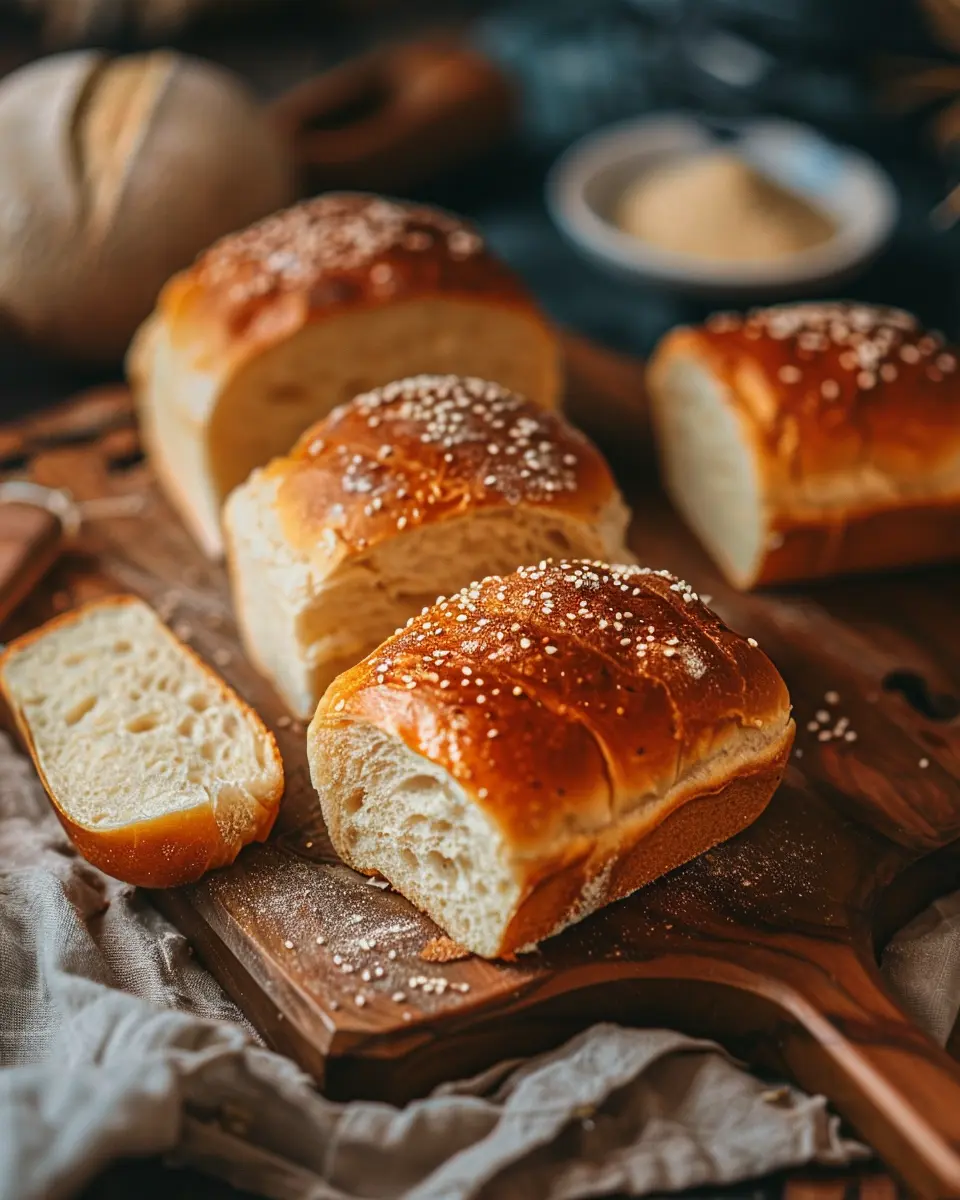
Fluffy buns — Thickest batter of all. Holds a dome when scooped into molds. Too thin and they spread flat; too thick and they don’t rise. This is where consistency has the most visible impact.
Sandwich bread — Slightly thinner than bun batter. Should level out in the pan but not completely flatten. Pour in and it should find its own level within 30 seconds.
Pancakes — Pourable consistency. Flows freely when tilted but doesn’t run off the pan immediately. The thinnest acceptable batter for any carnivore bake.
Pizza base — Medium-firm. Spread with the back of a wet spoon. If you need to press hard, add one teaspoon of butter. If it spreads on its own before you’re ready, chill five minutes.
Crackers — Stiff dough. Press flat between parchment sheets. Should hold pressed shapes without springing back.

Carnivore Dough Consistency: The Exact Texture That Makes or Breaks Your Bake
- Prep Time: 10 minutes
- Cook Time: 30 minutes
- Total Time: 40 minutes
- Yield: 1 loaf or 6 buns 1x
- Category: Carnivore Baking
- Method: Baking
- Cuisine: Low-Carb / Carnivore
- Diet: Gluten Free
Description
This carnivore dough consistency guide helps you achieve the perfect batter texture for fluffy buns, stable bread, pancakes, crackers, and other carnivore baked goods. Learn how texture, fat balance, and egg structure affect the final bake before it even enters the oven.
Ingredients
4 large eggs
120g cream cheese
30g melted butter or beef tallow
1/4 tsp baking soda
1 tsp cream of tartar
Optional whipped egg whites for extra lift
Instructions
Bring all ingredients to room temperature.
Blend cream cheese until smooth.
Add eggs gradually while mixing gently.
Add cooled melted butter slowly.
Fold in baking soda and cream of tartar.
Fold whipped egg whites gently if using.
Rest batter for 5–10 minutes.
Adjust texture if needed.
Bake immediately.
Notes
Thick batter creates better structure for buns and bread.
Thin batter spreads flat and bakes dense or rubbery.
Use the spoon-drop test before baking every time.
Nutrition
- Serving Size: 1 slice
- Calories: 145
- Sugar: 1g
- Sodium: 210mg
- Fat: 11g
- Saturated Fat: 5g
- Unsaturated Fat: 4g
- Trans Fat: 0g
- Carbohydrates: 1g
- Fiber: 0g
- Protein: 10g
- Cholesterol: 165mg
FAQ
What should carnivore dough consistency look like?
For bread and buns, thick Greek yogurt — slow off a spoon, soft mound when scooped. For pancakes, pourable. For crackers, stiff enough to hold a pressed shape without spreading.
Why is my carnivore batter too runny?
Usually warm ingredients, too much liquid fat, or too many egg whites. Rest the batter in the fridge for 10 minutes first. If still too thin, add softened cream cheese one tablespoon at a time.
Can I fix batter that’s already too thick?
Yes. Add cooled melted butter or tallow one teaspoon at a time, folding gently after each addition. Avoid adding water — it thins the batter without adding fat, which breaks the ratio.
Why does my batter look right but still bake badly?
Most often inactive leavening or incorrect oven temperature. Correct consistency is necessary but not sufficient — you also need fresh cream of tartar and baking soda, and an oven at 300–325°F.
Does batter consistency affect final texture?
Yes. Thin batter spreads and bakes flatter, while overly thick batter creates a dense interior. Correct consistency helps create a balanced structure with better moisture and lift.
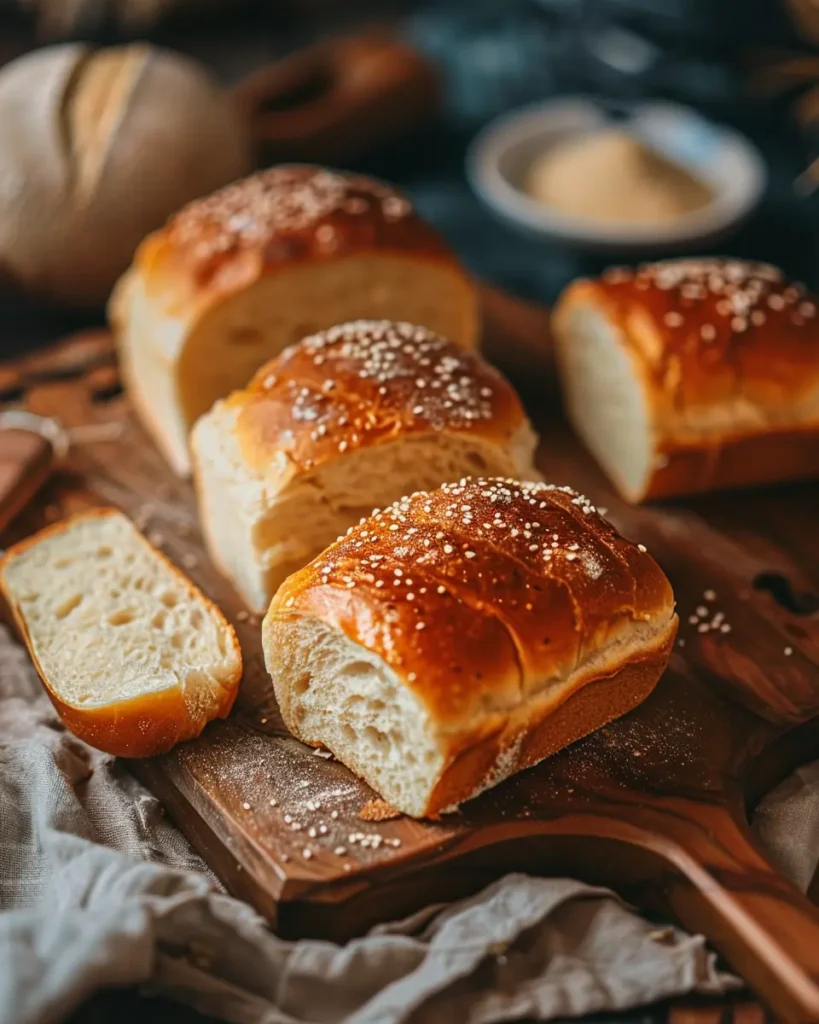
Smaller carnivore bakes require even more precision because the batter has less room for structural error. This is especially true for carnivore buns, where consistency directly affects rise, dome shape, and final texture.
Most carnivore baking failures can be traced back to batter consistency long before heat becomes the problem.
At Looksyummy, consistency is not a detail. It is the foundation of every successful carnivore bake.
Conclusion
Carnivore dough consistency is the foundation everything else builds on. Get it right and most other problems solve themselves. Get it wrong and no amount of correct temperature or timing will save the bake.
Use the spoon test every time. Rest before adjusting. Fix thickness with fat or cream cheese — never water. And remember that the right consistency for buns is wrong for pancakes — keep the visual guide handy for each recipe type.
Once you can read your batter before it goes in the oven, you’ll rarely be surprised by what comes out.