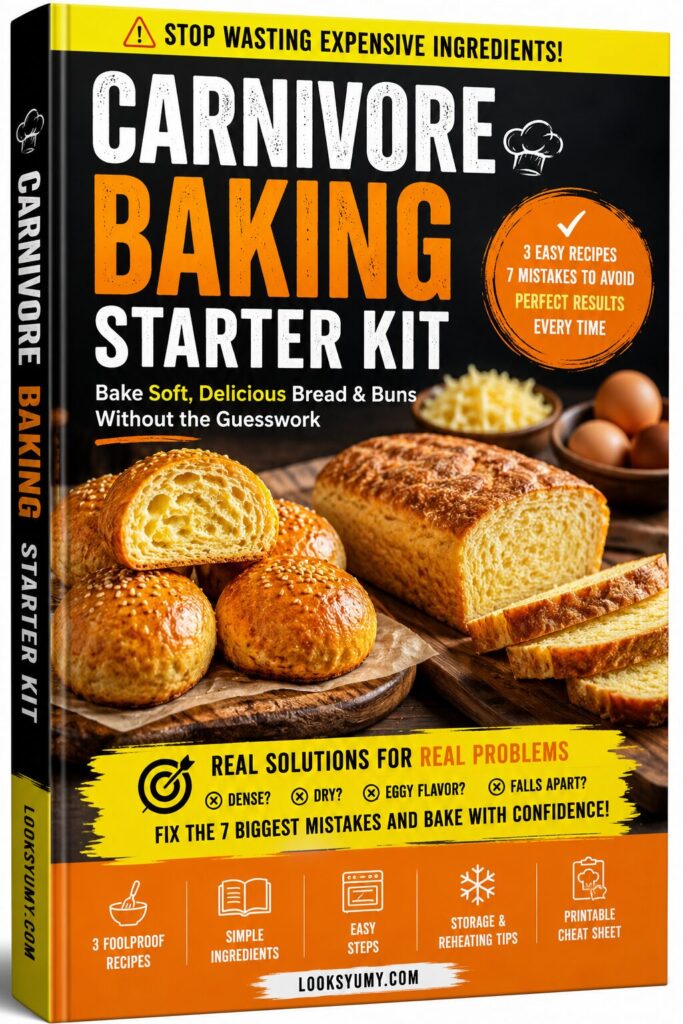
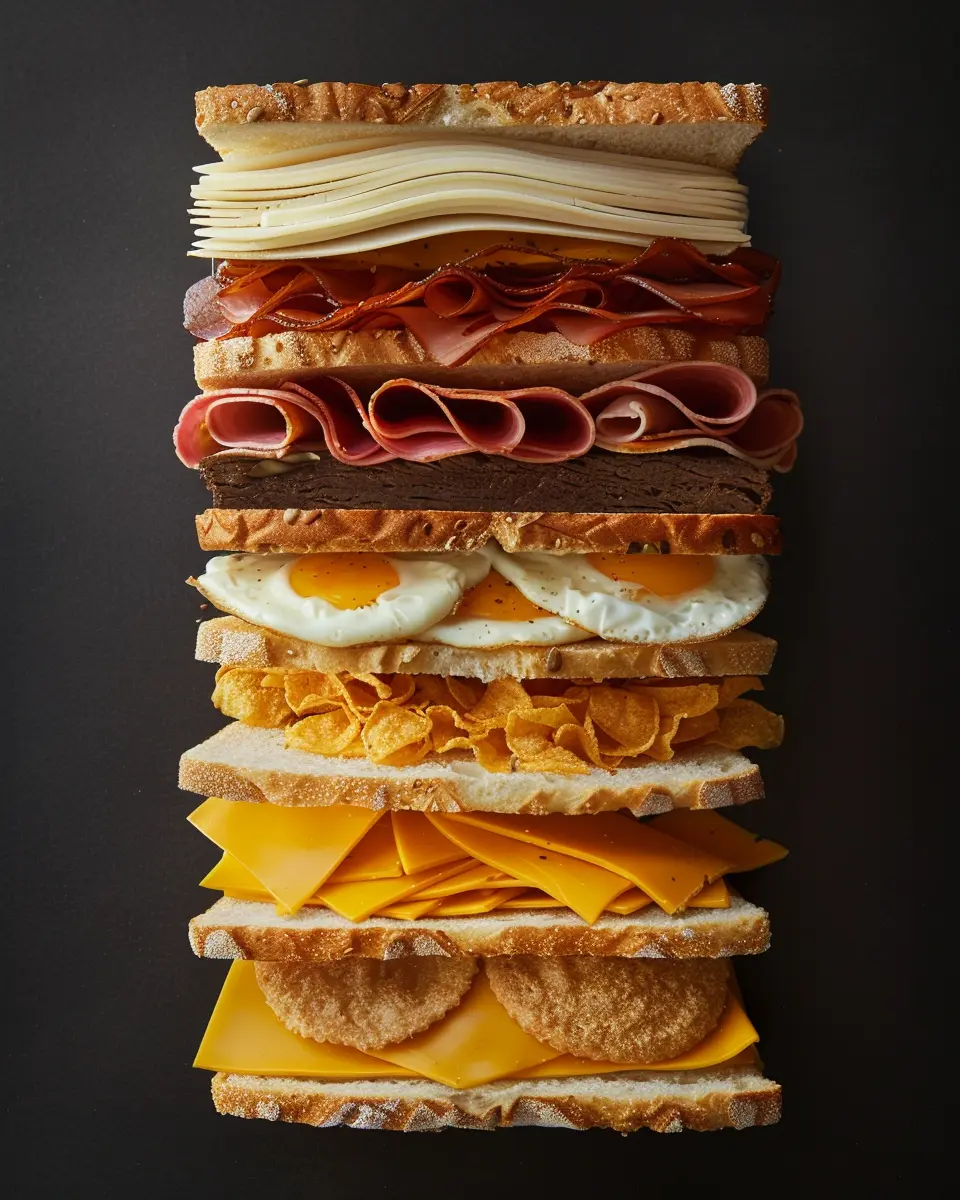
Not all carnivore breads hold up under a sandwich. This expert comparison breaks down exactly which types perform best — by slice durability, flexibility, structural integrity, and real sandwich usability — so you can choose with confidence.
⚡ For sandwiches, egg-based carnivore bread (cloud bread / cream cheese style) is the overall winner. It slices cleanly, holds fillings without crumbling, and bends without breaking. Pork rind bread is the top choice for wet or heavy fillings. Cheese crisps are best suited for open-faced applications only.
Egg-based carnivore bread is the best overall choice for sandwiches because it balances slice durability, flexibility, filling support, and bite quality better than any other carnivore bread type.
Table of Contents
Table of Contents
Why Sandwich Structure Matters in Carnivore Bread
Sandwich performance is not the same as flavor performance. A carnivore bread may taste excellent fresh out of the oven but collapse the moment you layer in roast beef, mustard, and sliced tomato. The physics of sandwich assembly Food scientists have long studied how bread structure responds to compression, moisture migration, and bite force during sandwich consumption. — compression, moisture transfer, lateral shear from biting — demand specific structural properties that vary dramatically across carnivore bread types.
According to Serious Eats’ bread science research, the primary mechanical stressors on any sandwich bread are compressive load (pressing the lid down), shear force (the bite), and hygroscopic softening (moisture migration from fillings). Conventional bread handles these through gluten networks. Carnivore breads must rely on entirely different binding agents — eggs, fat, cheese — each with distinct mechanical behaviors. The five key metrics that define carnivore sandwich bread
What I call the Looksyumy Sandwich Stability Framework evaluates carnivore bread using five structural variables: slice integrity, flexibility, moisture resistance, filling support, and bite behavior. Together, these factors determine whether a bread succeeds or fails as a sandwich platform. quality are slice integrity, flexibility, moisture resistance, structural hold under filling weight, and bite behavior.
Full Comparison: All Carnivore Bread Types
| Bread Type | Slice Integrity | Flexibility | Moisture Resistance | Filling Hold | Bite | Overall |
|---|---|---|---|---|---|---|
| Egg-Based (Cloud/Cream Cheese) | ★ 5/5 | 4/5 | 3/5 | ★ 5/5 | ★ 5/5 | 4.4 |
| Pork Rind Bread | 4/5 | 3/5 | ★ 5/5 | 4/5 | 4/5 | 4.0 |
| Beef & Egg Loaf Bread | 4/5 | 2/5 | 4/5 | 4/5 | 3/5 | 3.4 |
| Cheese-Based (Mozzarella Dough) | 3/5 | 4/5 | 3/5 | 3/5 | 4/5 | 3.4 |
| Cheese Crisps | 2/5 | 1/5 | ★ 5/5 | 1/5 | 2/5 | 2.2 |
| Sandwich Type | Best Bread Choice | Why It Works |
|---|---|---|
| Deli Sandwiches | Egg-Based Bread | Light texture and good moisture resistance |
| Pulled Meat Sandwiches | Pork Rind Bread | Strong structure for heavier fillings |
| Meal Prep Sandwiches | Pork Rind Bread | Holds up well during refrigeration |
| Open-Faced Sandwiches | Beef & Egg Bread | Firm enough to support toppings |
| Wraps | Mozzarella Bread | Flexible and easy to fold |
| Everyday Use | Egg-Based Bread | Balanced texture and versatility |
All scores reflect sandwich usability — not standalone eating quality.
Bread-by-Bread Breakdown
Egg-Based Carnivore Bread (Best Overall)
Also called cloud bread, cream cheese bread, or whipped egg loaf
Egg-based carnivore bread achieves the closest structural analog to conventional sandwich bread. What is the best carnivore bread for sandwiches? Egg-based carnivore bread provides the best balance of flexibility, structural support, clean slicing, and bite quality for most sandwich applications. The protein matrix formed by whole eggs and cream cheese creates a dense, even crumb with minimal air pockets — which translates directly to clean sliceability. A properly set loaf can be cut at 1–1.5 cm thickness The ability to slice thinly without tearing is often linked to protein structure. Our carnivore bread protein content guide explains how protein composition affects bread texture. without crumbling or tearing at the edges.
Flexibility is above average. Unlike pork rind or beef-based breads, egg bread has just enough give to compress under a sandwich lid without splitting. This makes it forgiving during assembly and when wrapping for transport. It bites with a slight spring resistance — not rubbery, not crumbly — which mimics the mouthfeel of enriched white bread.
Its main limitation is moisture sensitivity. If your bread softens too quickly after assembly, our carnivore bread shelf life guide explains how moisture affects texture and storage stability. Wet fillings (tomatoes, dressed greens, sauces) will begin softening the crumb within 20–30 minutes of assembly. For build-and-eat sandwiches this is not a concern. For meal-prepped or packed lunches, For longer storage, see our can you freeze carnivore bread guide, which covers freezing methods that preserve sandwich texture. a moisture barrier — a layer of fat or a slice of hard cheese between bread and filling — is strongly recommended.
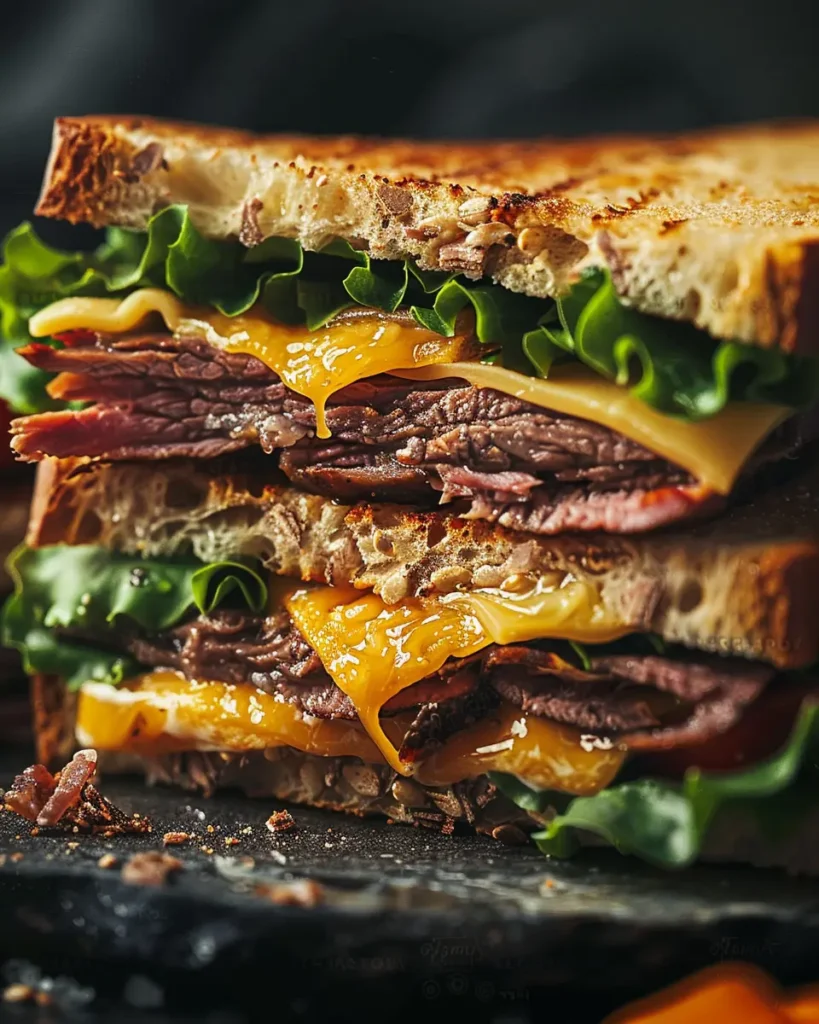
Best for: All-purpose sandwich use, sliced deli meat, BLT-style builds, and any assembly eaten within 30 minutes.
Pork Rind Bread (Best for Wet Fillings)
Ground pork rinds as primary binding flour — dense, hearty, savory
Pork rind bread is the most durable carnivore bread for sandwich use Which carnivore bread handles wet fillings best? Pork rind bread offers the highest moisture resistance and remains structurally stable even with sauced meats and high-moisture ingredients. — particularly when the filling involves moisture. The hydrophobic fat content of ground pork rinds creates a crumb that actively resists water absorption, making it the top performer for sandwiches containing mayonnaise, mustard, tomato slices, or pulled meats with sauce.
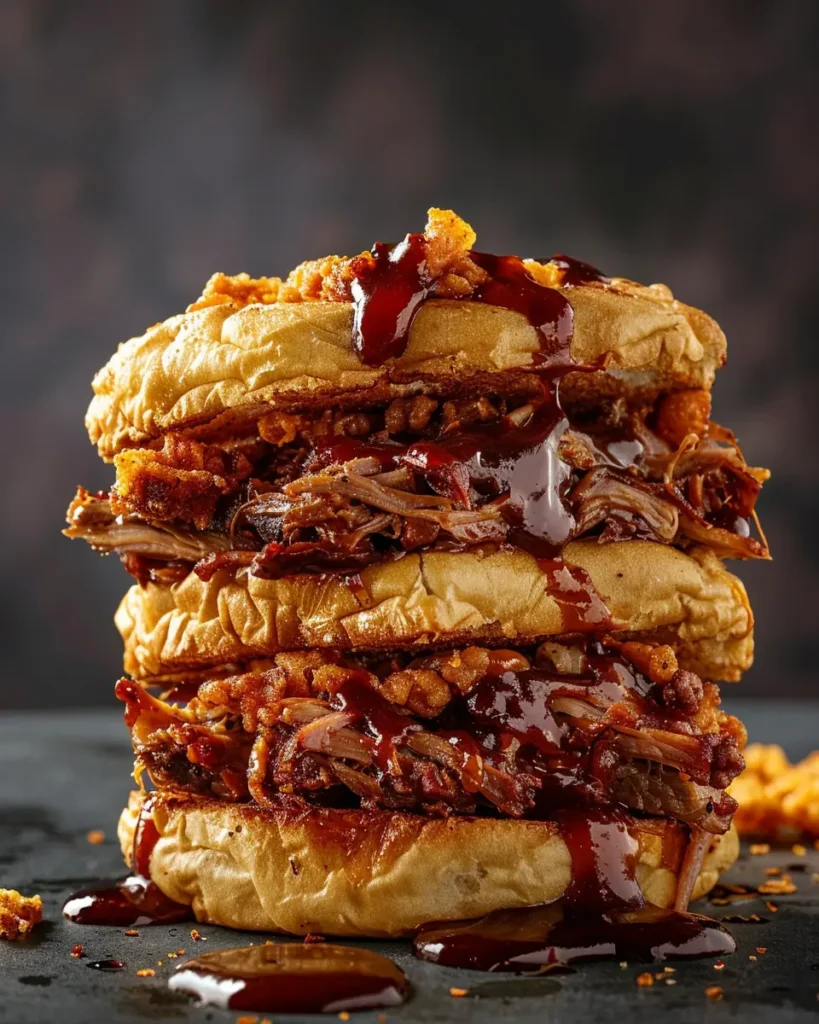
Slice integrity is excellent. The dense crumb holds its shape under weight and doesn’t compress unpredictably. However, this density is also a limitation: flexibility is lower than egg-based bread. Pork rind slices tend to crack at the edge if pressed too aggressively, making flat-wrap style assembly difficult.
According to Diet Doctor’s carnivore diet nutrition research, fat-dense protein breads consistently outperform egg-only varieties in moisture durability — making pork rind bread the top pick for packed lunches.
The bite behavior is firm, closer to a hearty wheat bread than a soft white. For sandwiches with bold, heavy fillings — pulled pork, brisket, layered cold cuts — this firmness is an asset, not a drawback.
Best for: Wet fillings, meal-prepped sandwiches, pulled meat builds, and any sandwich that won’t be eaten immediately.
Beef & Egg Loaf Bread (Best for Open-Faced)
Ground beef base with egg binder — protein-dense, savory-forward
Beef and egg loaf bread occupies a unique position: it performs well in several structural categories but fails almost entirely on flexibility. The dense meat-protein matrix sets firm during baking and becomes rigid once cooled. Slices maintain their shape beautifully but do not bend — making closed-sandwich assembly awkward and prone to edge cracking under lid compression.
Where this bread excels is in open-faced sandwich applications. A thick, stable slice of beef bread topped with compound butter, seared steak slices, or a fried egg is structurally flawless. It holds under topping weight without deflecting, and its moisture resistance means dressed toppings won’t cause rapid softening.
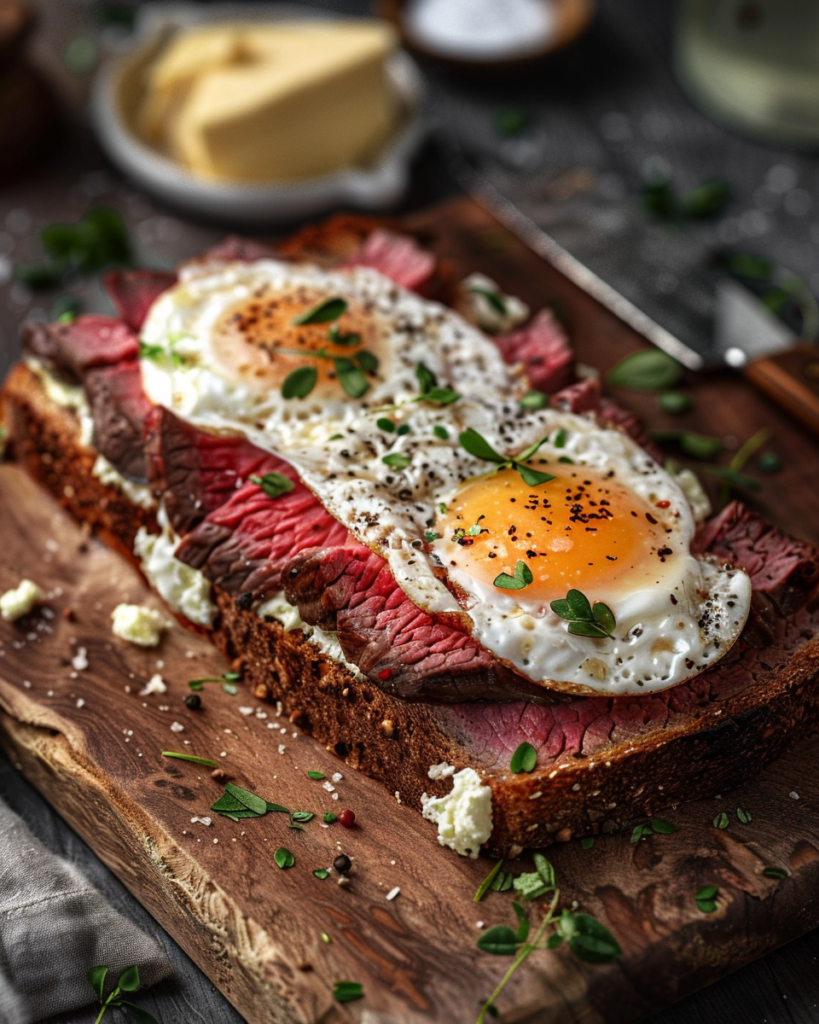
Slice thickness matters significantly here. Slices under 1.5 cm are prone to fracturing at the edge. At 2 cm, the bread is reliably sturdy. This makes thin-sliced closed sandwich application impractical for most builds.
Best for: Open-faced sandwiches, tartine-style builds, and thick-cut sturdy bases. Not recommended for closed, layered sandwiches.
Cheese-Based Bread / Mozzarella Dough (Conditional Use)
Fathead-style: mozzarella and cream cheese base, sometimes with egg
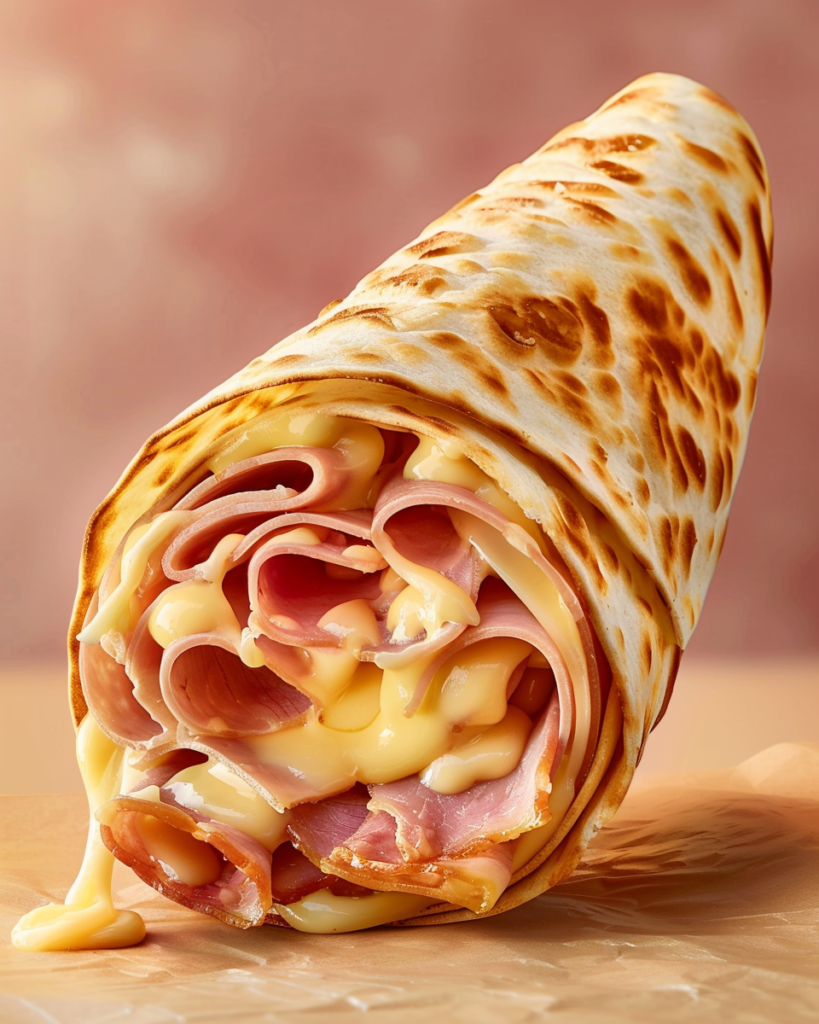
Cheese-based carnivore bread is the most flexible option What is the most flexible carnivore bread? Mozzarella-based carnivore bread bends more easily than other carnivore bread types, making it suitable for wraps and folded sandwiches. — it bends well without splitting, making it useful for wraps or folded sandwich formats. However, its sandwich performance is compromised by a key physical property: fat migration at room temperature. As mozzarella-based bread warms, the fat content becomes fluid and the crumb softens rapidly, reducing structural reliability.
The binding strength of egg-based carnivore bread comes directly from egg protein structure and binding properties — whole eggs form a tight protein matrix when baked, creating the even crumb that makes this bread the most sliceable carnivore option.
Slice integrity is moderate. The crumb is more irregular than egg-based bread, with larger air pockets that create inconsistent texture across a slice — some bites dense, others airy. This inconsistency translates to uneven sandwich performance.
Cheese bread performs best when served warm and consumed immediately. For cold sandwich applications or anything involving a delay between assembly and eating, it is not the optimal choice.
Best for: Warm sandwiches, panini-style builds, and wraps consumed immediately. Avoid for cold or meal-prepped applications.
Cheese Crisps (Not Recommended for Sandwiches)
Baked or fried cheese sheets — no structural binding agents
Cheese crisps have near-zero closed-sandwich viability. Their rigid, brittle structure cannot accommodate the compressive force of a sandwich lid, the lateral shear of a bite, or the weight of layered fillings without fracturing.
Their sole structural advantage is moisture resistance: cheese crisps do not absorb water from fillings. For this reason, they can work as an open-faced base for very light, dry toppings — a slice of hard salami, a thin ribbon of prosciutto. Anything heavier or wetter causes immediate structural failure.
Best for: Appetizer-style open-faced bites only. Not a practical sandwich bread in any closed-sandwich format.
Overall Winner for Sandwiches
Egg-based carnivore bread wins across all general sandwich use cases. It slices cleanly, holds filling weight without deflecting, bites with satisfying but gentle resistance, and adapts to the widest range of sandwich types. For anyone building a carnivore sandwich without a specific wet-filling constraint, this is the default best choice.
For meal prep or sauced/pulled meat builds, swap to pork rind bread — its moisture resistance makes it unmatched for those scenarios.
Matching Bread Type to Sandwich Type
Deli-style sandwiches (cold cuts, sliced meats): Egg-based bread. Its even crumb and structural uniformity hold up under layered deli slices, cheese, and condiments.
Pulled or sauced meat sandwiches: Pork rind bread, no contest. No other carnivore bread matches its resistance to high-moisture, high-fat fillings.
Open-faced / tartine-style: Beef and egg loaf bread. Its rigidity — a liability for closed sandwiches — becomes an asset for flat-format builds.
Warm / panini-style sandwiches: Cheese-based (mozzarella dough) bread gains structural coherence under heat and press, performing far better warm than at room temperature.
⚠️ Note: All carnivore bread types perform best when fully cooled and set before slicing. Slicing warm carnivore bread — regardless of type — dramatically reduces structural integrity across the board. This is one of the most common causes of sandwich failure and is entirely avoidable.
Frequently Asked Questions
What is the best carnivore bread for sandwiches overall?
Egg-based carnivore bread (cloud bread / cream cheese style) is the best all-purpose choice. It provides the best slice integrity, a clean bite, and solid structural hold across the widest range of sandwich types.
Which carnivore bread holds up best with wet or sauced fillings?
Pork rind bread leads in moisture resistance due to its hydrophobic fat content. It’s the preferred choice for pulled meats, dressed fillings, and any sandwich that won’t be eaten immediately after assembly.
Can carnivore bread be sliced thin enough for sandwich use?
Egg-based carnivore bread can be sliced at approximately 1 cm while maintaining structural integrity. Pork rind bread performs best at 1.5–2 cm. Beef and egg loaf bread should not be sliced thinner than 1.5–2 cm without significant fracturing risk.
Are cheese crisps a viable carnivore sandwich bread?
No — not for closed-format sandwiches. Cheese crisps lack the flexibility and filling-load capacity required for sandwich use. They work only as a base for very light open-faced applications.
What is the most flexible carnivore bread for wraps?
Cheese-based (mozzarella dough) bread has the highest flexibility and is most suited to folded or wrapped formats, particularly when served warm and consumed immediately.
Does carnivore bread work for meal-prepped sandwiches?
Pork rind bread is best for meal prep due to its moisture resistance. Egg-based bread works for same-day prep if moisture barriers (a fat layer or hard cheese slice) are placed between the bread and wet fillings.
Related: Carnivore Sandwich Bread Guide · Carnivore Buns · Texture Troubleshooting · Soft Carnivore Bread · Bread Consistency Guide