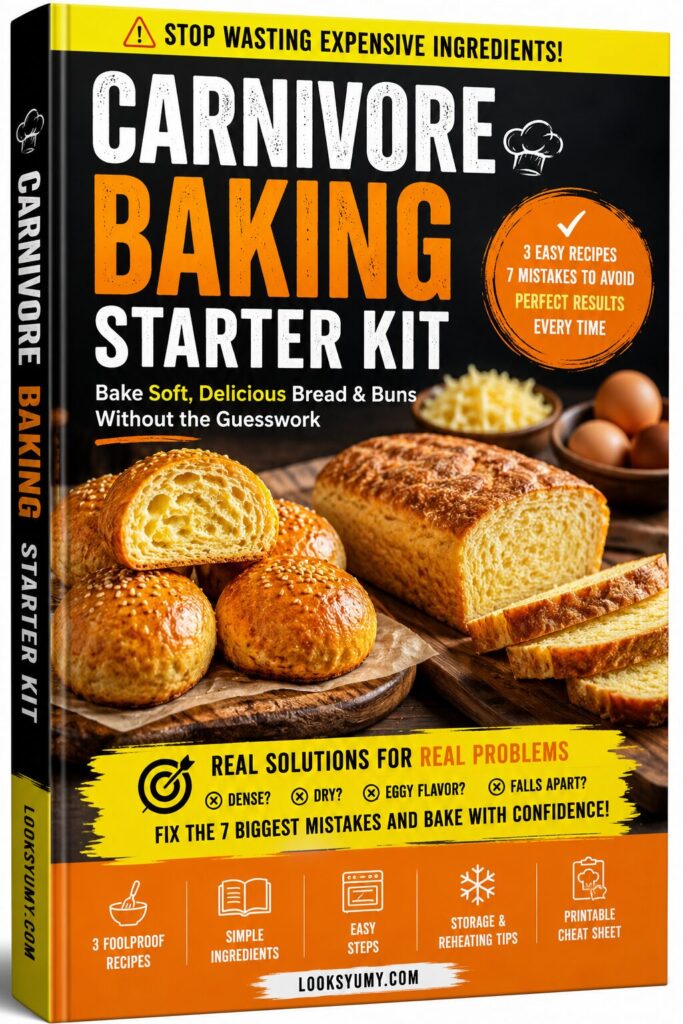
👉 Grab the printable version of this recipe and a quick macro cheat sheet before you start — it’s easier to keep on the counter than scrolling on your phone with buttery hands.
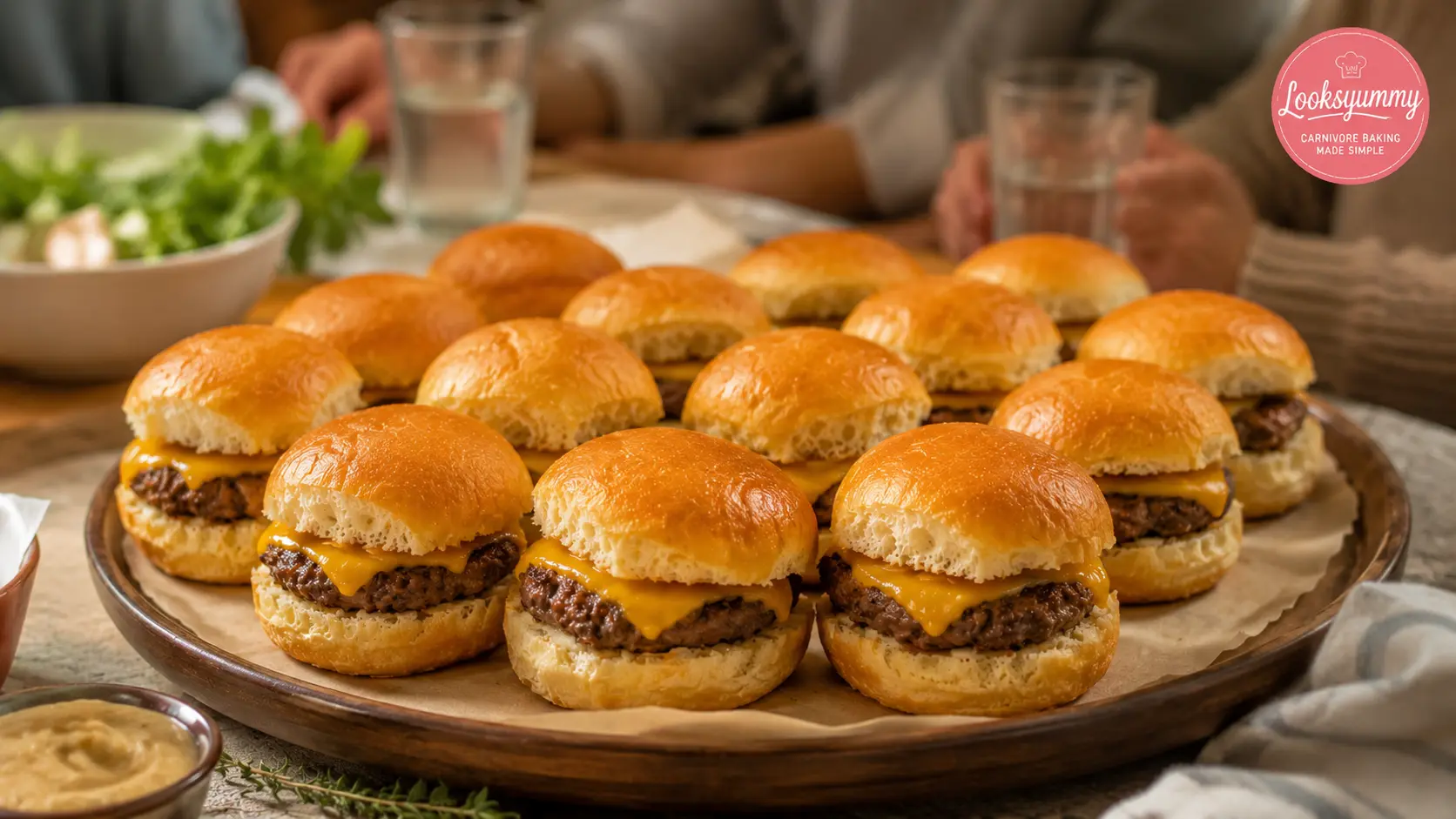
Here’s the short answer: soft carnivore slider buns come from whipped egg whites for lift, a little fat (butter or cream cheese) for richness, and a gentle fold so you don’t knock the air back out. Bake them small, at a moderate oven temp, and pull them the moment they’re set but still pale on top — that’s what keeps them pillowy instead of dry. Cool them under a towel, not open on a rack, and they’ll stay soft enough to squeeze around a mini patty without cracking.
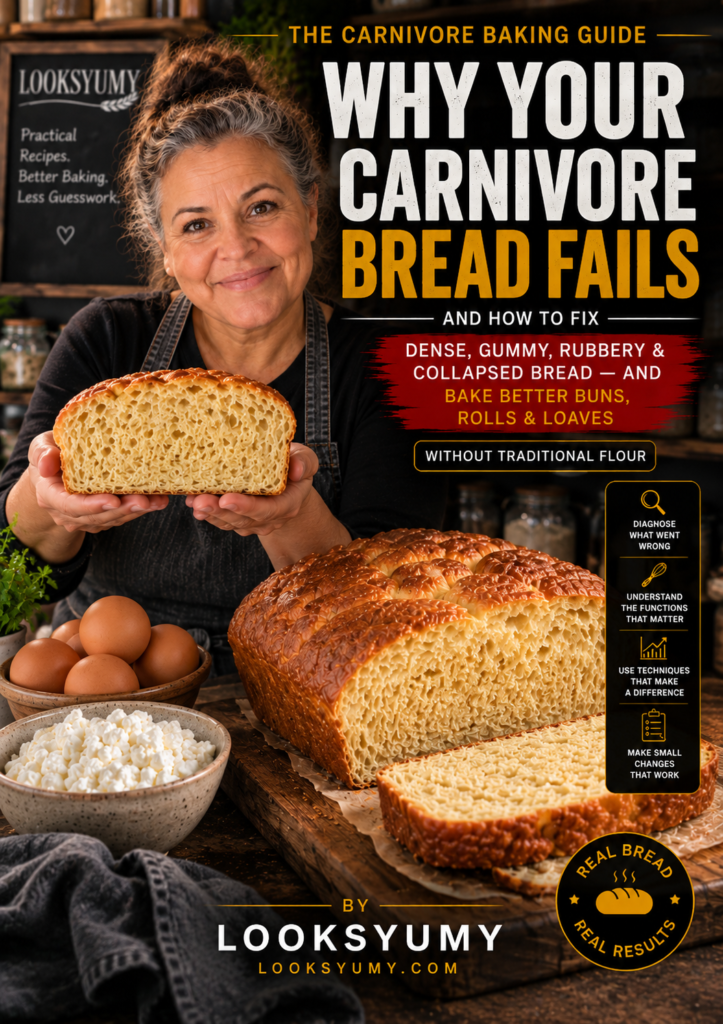
If you’re looking for larger sandwiches with the same soft texture, these techniques also apply to soft carnivore burger buns, where maintaining structure becomes even more important as the bun size increases.
Table of Contents
Table of Contents
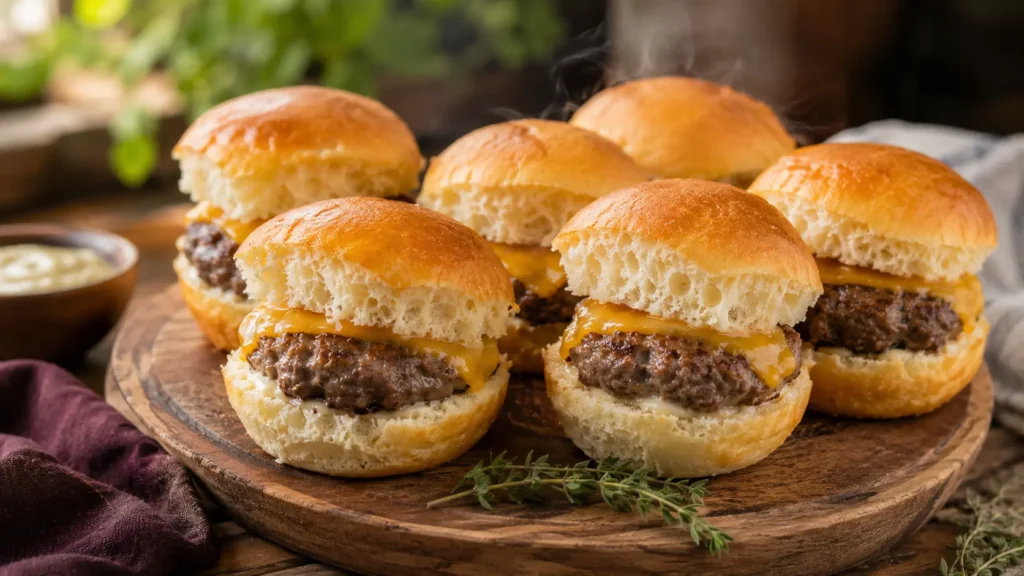
Quick-View Recipe Table & Macros
| Prep Time | 12 minutes |
| Bake Time | 14–16 minutes |
| Yield | 12 mini buns (2-inch) |
| Calories | 58 per bun |
| Protein | 5g per bun |
| Fat | 4g per bun |
| Carbs | 0.5g per bun |
Small carnivore buns behave differently from full-size buns because every gram of batter matters. A slight change in air retention, fat balance, or baking time has a much bigger impact on a two-inch slider than on a standard loaf. That’s why precision matters far more than extra ingredients.
Description
These soft carnivore slider buns are light, flexible, and sturdy enough to hold juicy mini burgers without cracking. Whipped egg whites create a fluffy texture, while butter, cream cheese, and gelatin keep the crumb soft and tender. Perfect for parties, meal prep, or bite-sized carnivore sandwiches.
Ingredients
- 6 large egg whites (or 3/4 cup liquid egg whites)
- 1/4 tsp cream of tartar
- 4 oz (113 g) full-fat cream cheese, softened
- 2 whole eggs
- 2 tbsp unflavored beef gelatin, bloomed in 2 tbsp warm water
- 2 tbsp melted butter
- 1/2 tsp fine sea salt
- Extra butter or tallow for greasing
Instructions
- Preheat oven to 325°F (163°C).
- Grease a muffin-top pan or line a baking sheet with parchment.
- Whip the egg whites with cream of tartar until stiff glossy peaks form.
- Blend cream cheese, whole eggs, gelatin, melted butter, and salt until smooth.
- Mix one-third of the whipped egg whites into the batter.
- Gently fold in the remaining egg whites using a spatula until no white streaks remain.
- Scoop into twelve 2-inch rounds and smooth the tops.
- Bake for 14–16 minutes until the tops are lightly golden and just set.
- Cool for 5 minutes, then cover loosely with a towel to retain moisture before serving.
Notes
Do not overmix after folding the egg whites or the buns will lose volume. Remove them from the oven as soon as the tops are set to keep the crumb soft. Covering the buns with a towel while cooling helps prevent them from drying out.
Nutrition
- Serving Size: 1 slider bun
- Calories: 58
- Sugar: 0.4 g
- Sodium: 135 mg
- Fat: 4 g
- Saturated Fat: 2.2 g
- Unsaturated Fat: 1.5 g
- Trans Fat: 0g
- Carbohydrates: 0.5 g
- Fiber: 0 g
- Protein: 5 g
- Cholesterol: 42 mg
The Ultimate Carnivore Slider Buns Recipe
Ingredients
- 6 large egg whites (or ¾ cup liquid egg whites)
- ¼ tsp cream of tartar (helps the whites hold their whip — carnivore-neutral, not a starch or gum)
- 4 oz full-fat cream cheese, softened
- 2 whole eggs
- 2 tbsp unflavored beef gelatin, bloomed in 2 tbsp warm water
- 2 tbsp melted butter, plus extra for greasing
- ½ tsp fine salt
This is the exact combination I keep coming back to — I’ve started calling the way it holds together the Looksyumy fold: whip air in first, then fold everything else in gently instead of stirring hard, so the bun keeps its rise instead of falling flat in the oven.
At Looksyummy, we don’t build soft slider buns by adding fillers. We build them by controlling structure, air, and moisture from the very first fold.
Step-by-Step Directions
Whip the whites. Beat the egg whites with the cream of tartar until you get stiff, glossy peaks — this is where all your lift comes from, so don’t rush it. Under-whipped whites are the single biggest reason mini buns end up flat and eggy tasting instead of bready.
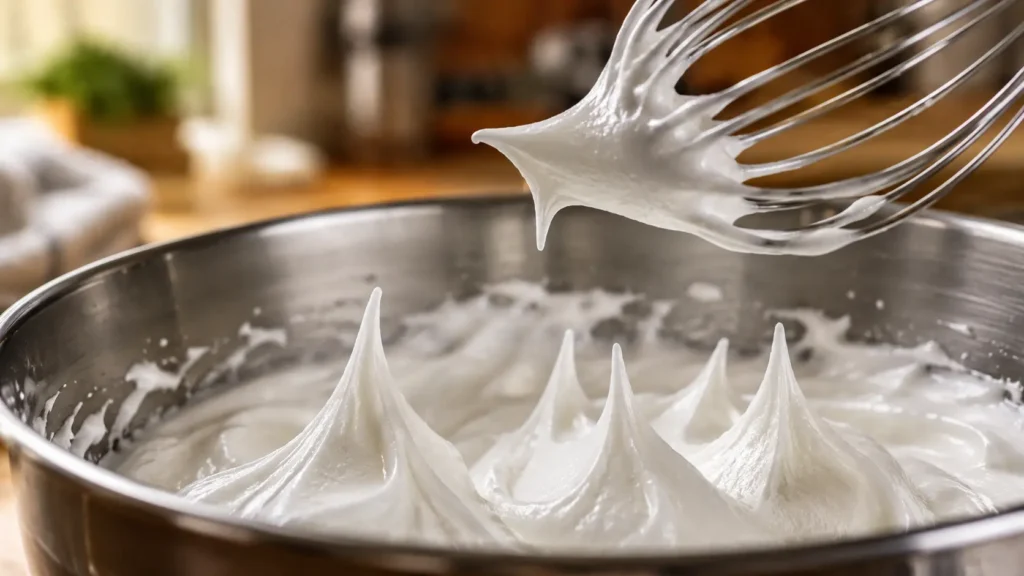
2: Fold, don’t stir. In a separate bowl, blend the cream cheese, whole eggs, bloomed gelatin, melted butter, and salt until smooth. Add about a third of the whipped whites and mix it in fully to loosen the batter — then fold in the rest in two batches with a spatula, turning gently from the bottom up. Stop as soon as no white streaks remain.
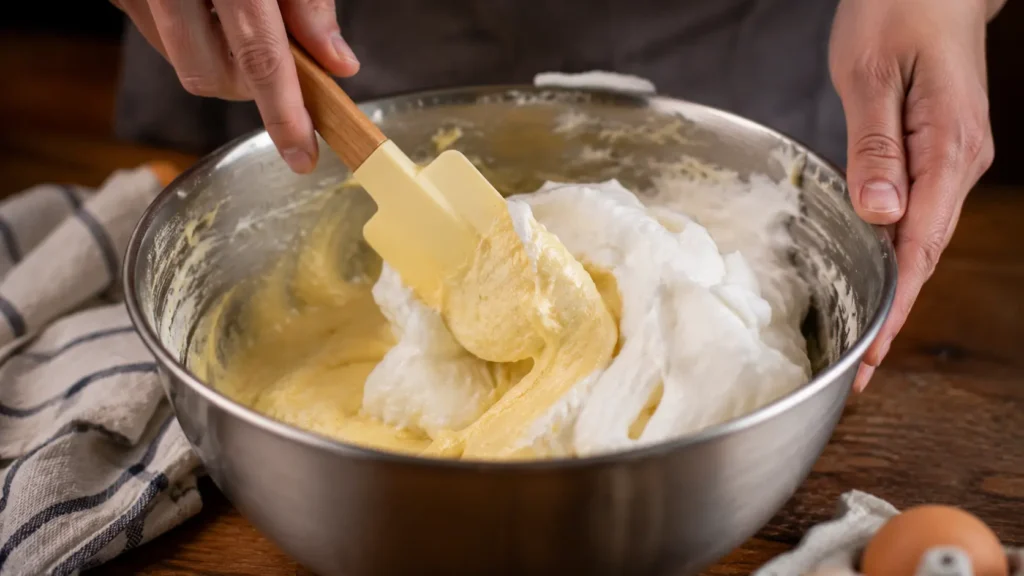
3: Portion into small rounds. Using a greased muffin-top pan or a scoop on a parchment-lined sheet, portion the batter into 2-inch mounds, leaving space to spread slightly. Smooth the tops with a wet fingertip so they bake evenly.
4: Bake and cool right. Bake at 325°F (163°C) for 14–16 minutes, until the tops are set and lightly golden but still soft to the touch. Let them cool in the pan for 5 minutes, then transfer to a plate and cover loosely with a clean towel — this traps a little steam and keeps the crumb soft instead of drying out as they cool.
The softness isn’t created during cooling—it was already determined while you mixed the batter. Cooling simply preserves the structure you built earlier.
Most slider bun failures begin long before baking. If the batter cannot support its own air bubbles, no oven can fix it later.
Texture and Flexibility: The Mini Burger Solution
Why do regular-size buns struggle at slider scale? The main issue is surface-to-filling ratio — a full-size bun has enough crumb to soak up extra moisture, but cut that down to slider size and any dryness or toughness shows up immediately, since there’s less bun to hide it.
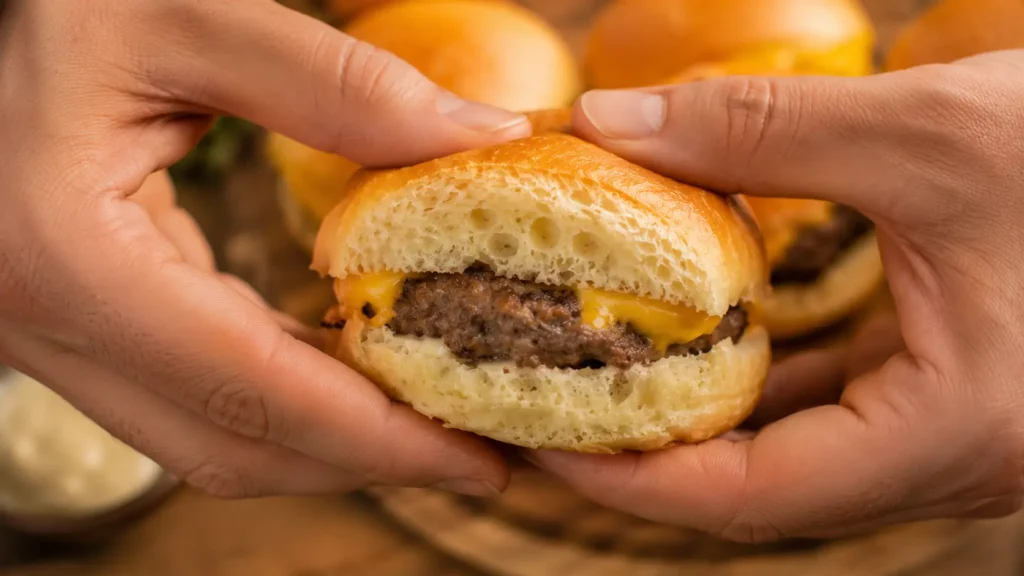
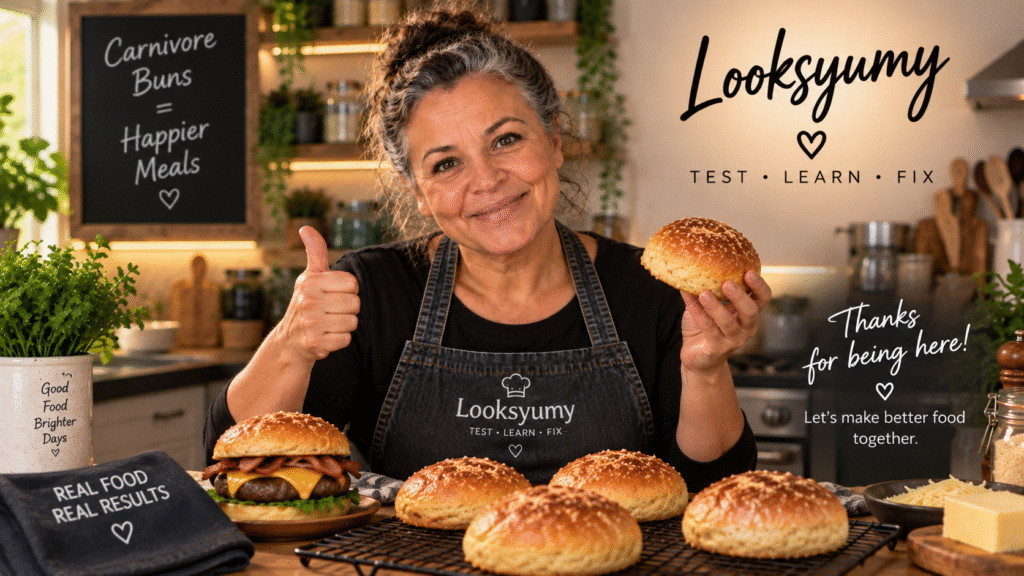
A full-size slider isn’t the only option. Traditional carnivore burger buns use the same principles of air retention and protein structure but require a slightly stronger crumb to support heavier fillings and longer serving times.
That’s the whole reason this recipe leans on whipped whites instead of a denser batter. A soft, well-aerated crumb flexes around a warm mini patty instead of cracking down the middle, and it holds onto juices for a few minutes without turning soggy. If you’ve tried mini buns that either snapped in half or went limp and wet, the fix usually isn’t the recipe’s protein source — it’s under-whipping the whites or over-baking past that soft, pale-topped stage.
Expanding Your Kitchen: The Carnivore Buns Hub
Slider buns aren’t the only shape worth mastering — size changes what a bun needs to do. A mini bun just needs to hold a bite-size patty for a few minutes at a party; a full burger bun needs to survive a thicker patty, condiments, and a longer hold time, so it usually wants a slightly denser crumb and a touch more structure.
If sliders are just the start of your weekend, this same base batter scales up nicely into standard Burger Buns for a backyard cookout, stretches into Hot Dog Buns with a longer, narrower shape, or gets enriched further into Brioche Buns if you want something a little more indulgent for a sit-down dinner. Same core technique, different sizing and bake time depending on what’s going on the bun.
The same batter can also be shaped into carnivore hot dog buns, where maintaining flexibility along a longer shape becomes more important than achieving maximum height.
Common Recipe Errors ❌ and Quick Diagnostics
The root problem behind most failed carnivore buns isn’t the lack of flour — it’s reaching for a non-animal binder to compensate, which changes the texture in ways that don’t actually fix the real issue.
In my own kitchen, my first few batches of mini buns turned out closer to hard cardboard than bread. I’d stirred the whipped whites in too fast instead of folding, which knocked most of the air right back out, and I’d left them in the oven a few minutes too long “to be safe.” Switching to the slower fold-in method and pulling them the moment the tops set fixed both problems at once.
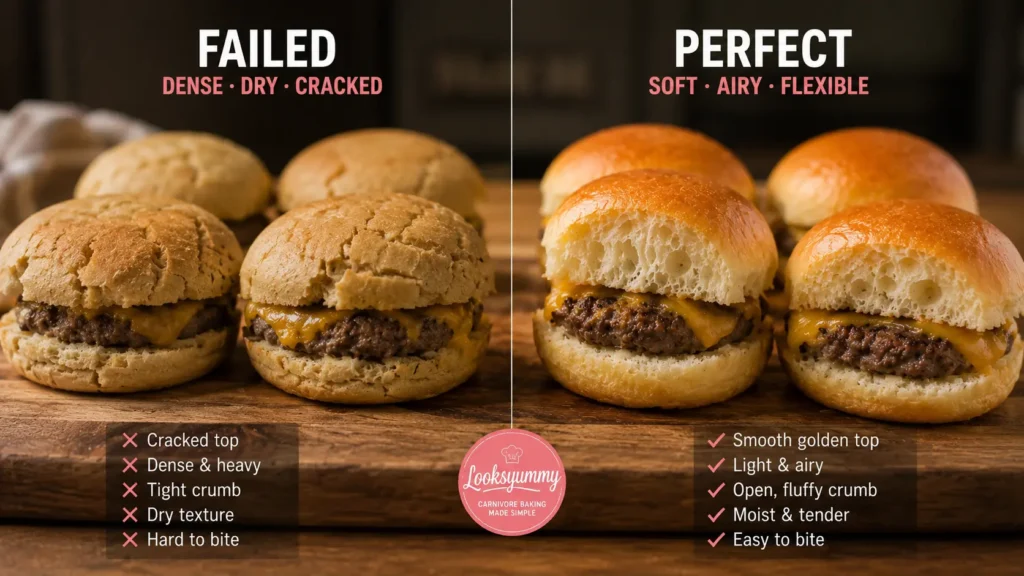
This recipe is built to work without dextrose, sweet potato starch, maltodextrin, pea protein isolate, xanthan gum, psyllium husk, or oat flour — none of those are needed, and several of them (especially gums and starches) are usually what makes a “carnivore” bun taste gummy or rubbery instead of soft. If your buns come out dense, check three things first: were the whites whipped to true stiff peaks, did you fold instead of stir, and did you pull them before the tops over-browned.
Good slider buns don’t happen by accident. They are the result of repeatable technique, controlled heat, and consistent batter texture.
If you prefer a richer, softer bite for special occasions, this folding technique also works beautifully for carnivore brioche buns, where additional fat creates a more tender crumb without sacrificing structure.
Frequently Asked Questions
How do you make carnivore slider buns taste soft like real bread?
It comes down to whipping the egg whites to full volume for lift, then balancing that with enough fat — butter or cream cheese — so the crumb doesn’t dry out. Skimping on either one is what makes these buns taste more like an omelet than bread.
Can I use these mini buns for party meal prep?
Yes — bake them a day ahead, let them cool completely, then store in an airtight container at room temperature for up to 2 days or in the fridge for up to 5. Reheat briefly in a skillet with a little butter or tallow, cut-side down, to bring back the soft texture before assembling sliders.
How do I prevent the mini buns from sticking to the parchment paper?
Grease the parchment (or your pan) with a solid animal fat like lard, tallow, or ghee before portioning the batter. These fats hold up well at 325°F and release the buns cleanly once they’ve cooled slightly.