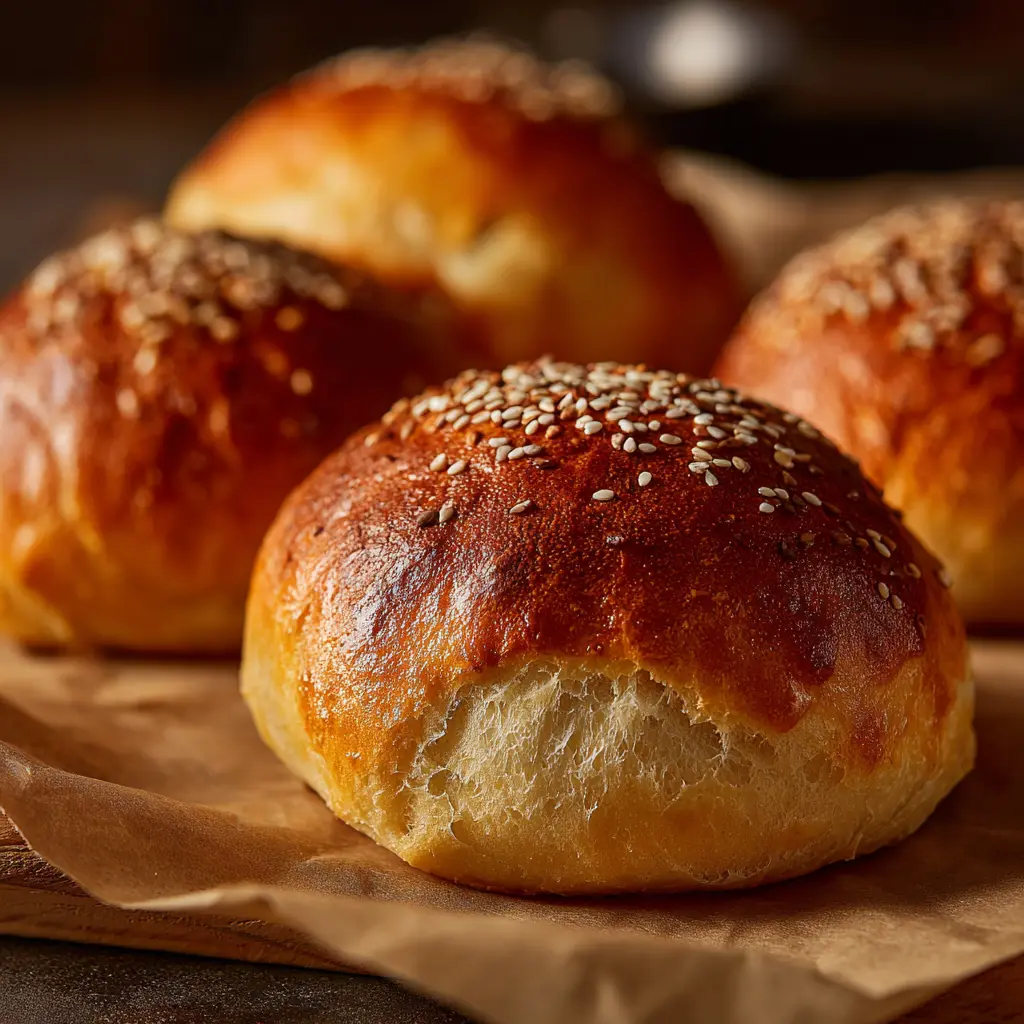
If you have ever bitten into a carnivore bun and found it too dry, too fragile, or gone rubbery within an hour of baking, cream cheese is the ingredient you were missing. Adding it to carnivore buns does not just change the flavor slightly — it changes the entire physical structure of the bun. This guide explains exactly what happens, why it works, and how to use it correctly from the first batch.
Top Benefits of Carnivore Buns with Cream Cheese
- Softer and more tender texture
- Better moisture retention
- Stronger structure for burgers
- Naturally richer flavor
- Longer shelf life without drying
If you are building a complete carnivore bread repertoire, this article connects directly to our guides on carnivore burger buns, carnivore brioche buns, and soft carnivore bread.
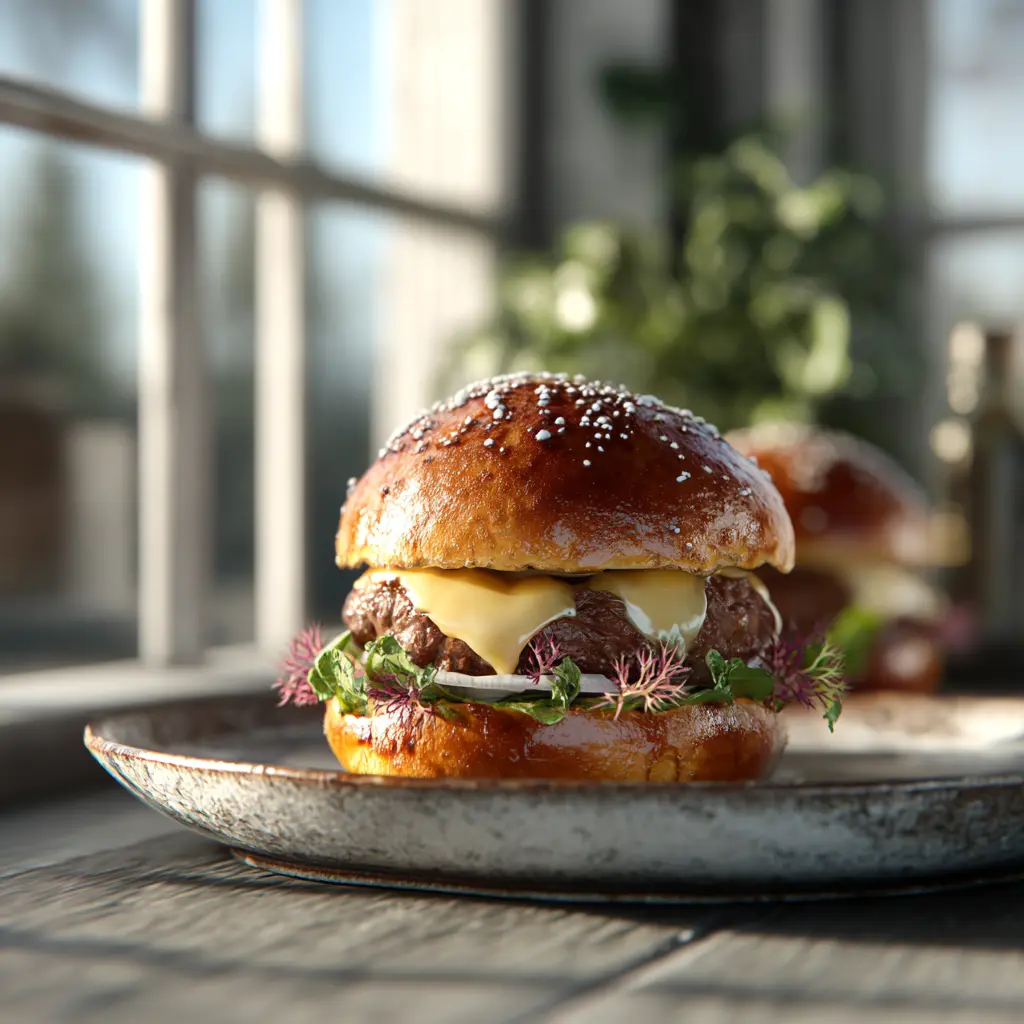
Are Carnivore Buns with Cream Cheese Better?
Yes — adding cream cheese makes carnivore buns softer, more stable, and more resistant to drying by improving fat content, moisture retention, and protein structure.
What Are Carnivore Buns with Cream Cheese — and How Are They Different?
A standard carnivore bun is built entirely on egg. Whipped egg whites provide the foam structure, egg yolks provide fat and emulsification, and heat sets everything into a bread-like shape. The result works — but it has real limitations. Egg-only buns are prone to dryness within a few hours, they compress easily under a heavy filling, and their flavor is mild to the point of being plain.
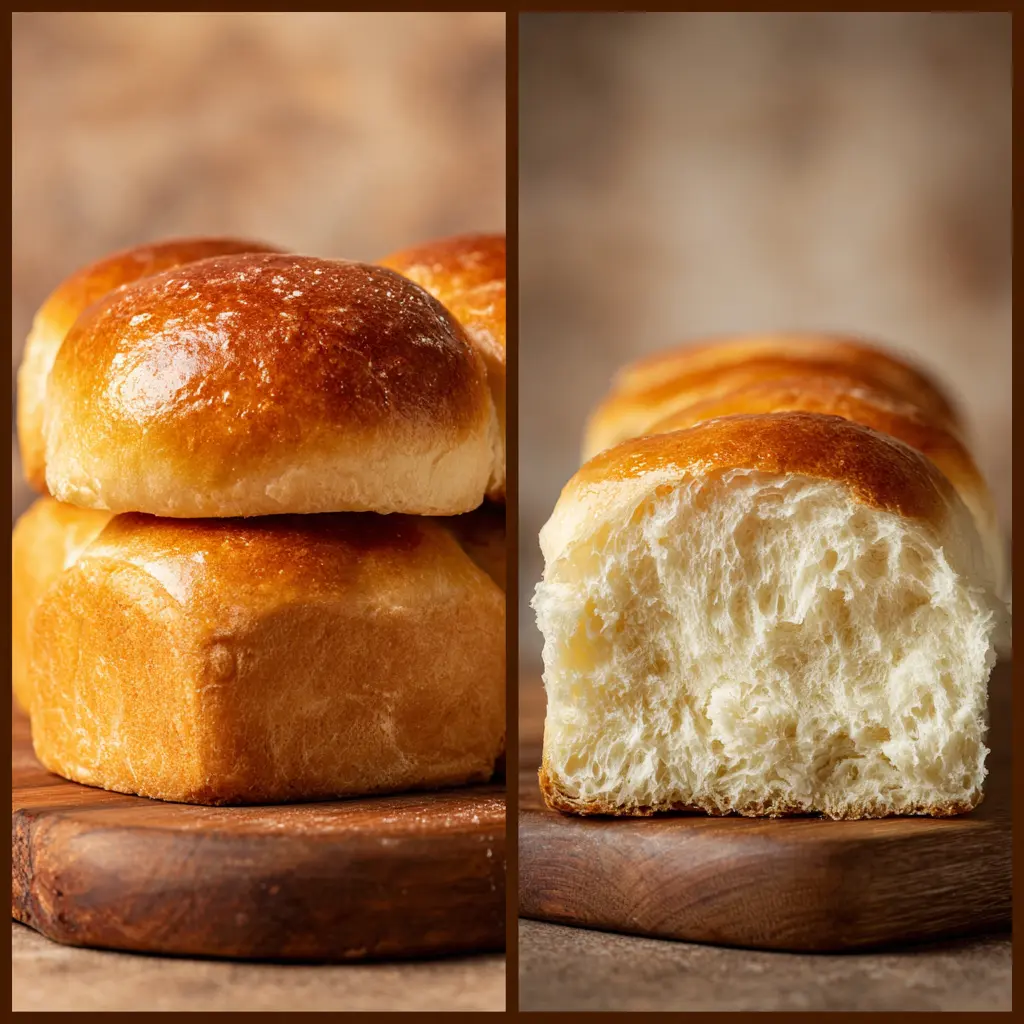
Cream cheese solves all three of these problems simultaneously. When full-fat cream cheese is beaten smooth with egg yolks before folding into whipped whites, it introduces additional fat, a mild acid environment, and a class of proteins called caseins that bind moisture inside the crumb long after the bun leaves the oven. The bun that comes out is noticeably different in every way — softer, more golden, more flavorful, and genuinely capable of holding a burger without collapsing.
Print
Carnivore Buns with Cream Cheese — How One Ingredient Makes Them Softer, Richer, and Better
- Prep Time: 15 min
- Cook Time: 30 min
- Total Time: 45 min
- Yield: 4 buns 1x
- Category: Bread
- Method: Baking
- Cuisine: American
- Diet: Gluten Free
Description
Soft carnivore buns with cream cheese that stay moist, hold structure, and deliver a rich texture without becoming dry.
Ingredients
- 6 large eggs (separated)
- 3 tbsp full-fat cream cheese
- 1/4 tsp cream of tartar
- 1/4 tsp salt
- 1 tsp gelatin (optional)
Instructions
- Preheat oven to 300°F (150°C)
- Beat yolks + cream cheese
- Whip egg whites to stiff peaks
- Fold gently
- Shape buns
- Bake 28–32 minutes
- Cool on rack
Notes
- Do not overmix
- Use room temperature ingredients
- Do not open oven early
Nutrition
- Serving Size: 1 bun
- Calories: 148 kcal
- Sugar: 0g
- Sodium: 198mg
- Fat: 11.8g
- Carbohydrates: 0.8g
- Protein: 9.4g
- Cholesterol: 244mg
The Texture Science — Why Cream Cheese Makes Buns Softer
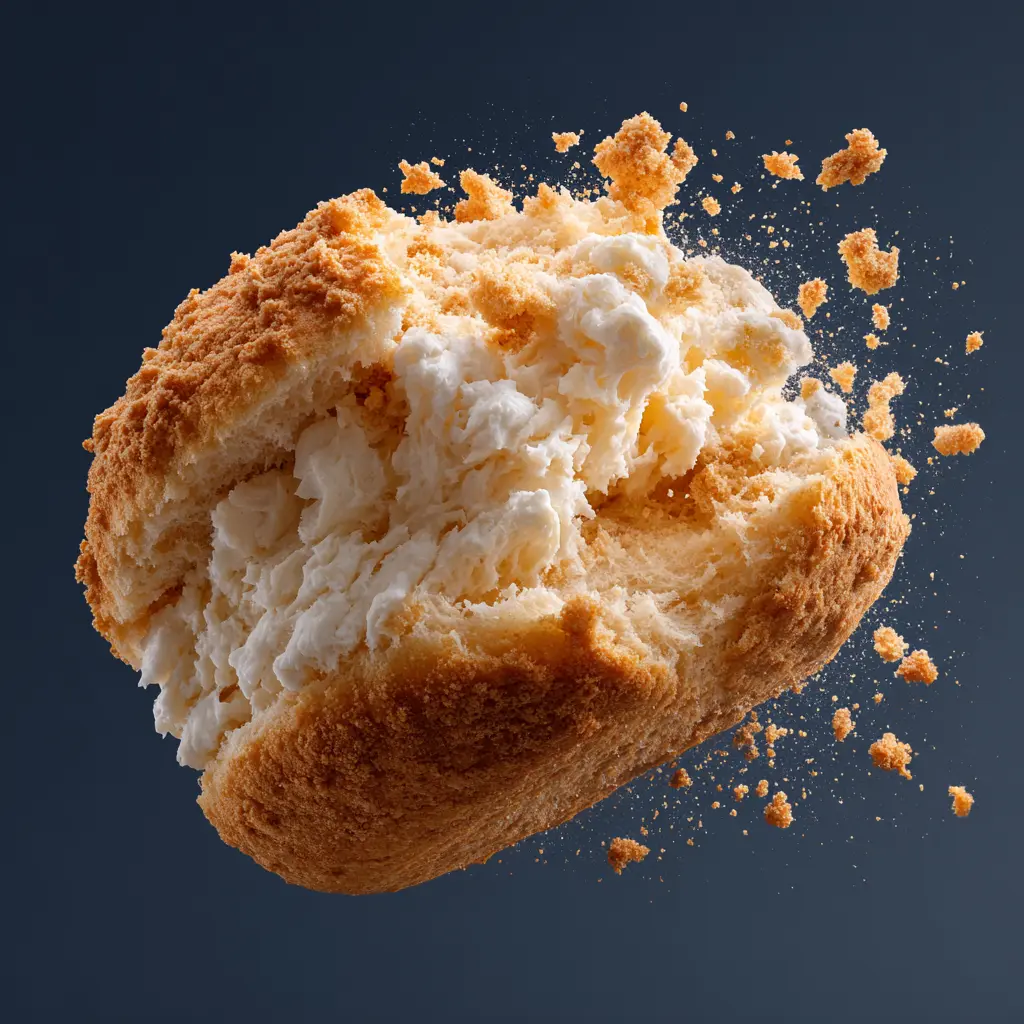
Understanding what cream cheese actually does inside the bun is what separates someone who gets consistent results from someone who keeps making adjustments that do not work.
Fat content and crumb tenderness. Full-fat cream cheese is approximately 34% fat by weight. When beaten into egg yolks before folding, that fat coats the protein strands forming around the air bubbles in the foam, preventing them from bonding too tightly during baking. The result is a crumb that yields slightly under pressure — like brioche — rather than shattering or collapsing into a dense mass. This is what food scientists call a tender crumb, and it is the structural difference between a bun that behaves like food and one that behaves like protein foam.
Acidity and protein control. Cream cheese has a pH of approximately 4.4 to 4.6, placing it in the mild acid range. This acidity partially pre-denatures egg proteins before heat is applied, which produces a finer and more even crumb on baking. It also tightens the egg foam slightly, reducing the formation of large irregular air pockets that make the bun uneven in density from edge to center.
Casein and moisture retention. Egg-only carnivore buns lose moisture quickly because once the proteins set, there is nothing left to hold water inside the crumb. Cream cheese contains casein proteins that bind water within the bun’s structure even after cooling. A bun made with cream cheese stays genuinely soft for 12 to 18 hours at room temperature. The same bun without cream cheese begins drying within 3 to 4 hours.
Sensory Comparison — What You Actually Notice When You Eat It
The difference is immediate and unmistakable from the first bite.
The crust is slightly thicker and develops a natural golden color from the cream cheese fat reacting with oven heat — without any egg wash required. The interior pulls apart in short, moist strands rather than crumbling into dry pieces. There is a faint tang in the background — not sour, but rich — that rounds out the otherwise neutral egg flavor and makes the bun taste finished rather than functional.
Under a burger patty, it holds. Under a heavy filling with sauce, it holds. Left on a plate for 20 minutes, it does not turn rubbery or compress flat. This sustained structural performance is what cream cheese carnivore buns do that egg-only versions cannot reliably replicate.
| Quality | Egg-Only Buns | Cream Cheese Buns |
|---|---|---|
| Texture | Light, airy, slightly fragile | Soft, tender, yields without breaking |
| Moisture retention | 3–4 hours at room temperature | 12–18 hours at room temperature |
| Flavor | Neutral, mild egg | Rich, faintly tangy, complex |
| Natural browning | Pale, needs egg wash | Golden without any wash |
| Structure under filling | Compresses, may collapse | Holds shape under full burger weight |
| Freeze and thaw quality | Can turn watery or rubbery | Maintains texture after thawing |
| Glycemic index | Zero | Zero |
Optimized Ingredients
6 large eggs, separated, at room temperature — the structural and nutritional foundation. Room temperature is not optional.
3 tablespoons full-fat cream cheese, softened — the key enrichment ingredient. Must be at room temperature or it will not integrate smoothly.
¼ teaspoon cream of tartar — stabilizes the egg white foam so it holds through folding and the early minutes of baking.
¼ teaspoon fine sea salt — enhances flavor and slightly tightens protein structure.
1 teaspoon unflavored beef gelatin dissolved in 1 tablespoon warm water (optional) — adds glycine, improves sliceability, and increases protein per bun to 13.2g. Highly recommended for anyone building a burger.
For a tallow-enriched version, replace cream cheese with 1 tablespoon of rendered beef tallow beaten smooth with the yolks. The fat profile shifts and the tang disappears, but the crumb tenderness is largely preserved.
Step-by-Step Recipe — Carnivore Buns with Cream Cheese

Makes 4 buns | 15 minutes prep | 30 minutes baking | 45 minutes total
Step 1. Remove eggs and cream cheese from the refrigerator at least 30 minutes before starting. Cold cream cheese will not integrate with egg yolks — it seizes into lumps that never fully dissolve and create dense spots throughout the bun.
Step 2. Preheat your oven to 300°F / 150°C. Line a baking sheet with parchment paper.
Step 3. Beat egg yolks with softened cream cheese and salt using a hand mixer on medium speed for 2 full minutes. The mixture should be completely smooth, slightly pale, and lump-free. Any remaining cream cheese lumps will create uneven density in the finished bun.
Step 4. If using gelatin, stir the dissolved gelatin into the yolk mixture now while it is still warm and liquid.
Step 5. In a separate, completely clean metal or glass bowl, whip egg whites with cream of tartar on high speed until stiff peaks form — peaks that stand straight without drooping. This takes approximately 4 minutes with a hand mixer.
Step 6. Add one large spoonful of whipped whites to the yolk mixture and stir to loosen it. This step equalizes the density of the two mixtures before the full fold, reducing deflation by 20 to 30% compared to going straight to folding.
Step 7. Pour the loosened yolk mixture over the remaining whites. Fold with a wide rubber spatula using slow, deliberate bottom-to-top strokes while rotating the bowl. Stop at 15 folds maximum. Some white streaks are acceptable — overmixing is not.
Step 8. Spoon into 4 even domed mounds on the prepared baking sheet. Shape each mound slightly taller than the finished bun you want, as they will settle approximately 15% during baking.
Step 9. Bake for 28 to 32 minutes without opening the oven door before the 25-minute mark. The buns are done when the tops are golden and a gentle press leaves no indent.
Step 10. Transfer immediately to a wire rack. Cool upside down for 5 minutes, then turn right-side up to finish cooling completely.
Frequent Mistakes That Ruin Cream Cheese Buns ❌
Cold cream cheese. This is the single most common failure. Cold cream cheese at refrigerator temperature will not blend with egg yolks — it stays in lumps regardless of how long you mix. If you forgot to take it out, place the unopened package in warm water for 15 minutes before starting.
Skipping the loosening step. Going directly from the dense yolk-cream cheese mixture into the airy whites causes turbulence during folding that deflates a significant portion of your foam in the first three strokes. The single spoonful pre-loosening step takes 10 seconds and prevents this entirely.
Overmixing during folding. Every fold past 15 costs you height. The batter should look incompletely mixed — that is correct. Trust the oven to finish the job.
Opening the oven early. Opening the oven before 25 minutes exposes the partially set buns to a temperature drop that causes immediate collapse. Set a timer and do not touch the door.
Plastic bowls for whipping. Plastic retains microscopic fat residue that prevents egg whites from reaching full volume. Always use glass or stainless steel.
Storing in a sealed container. Cream cheese buns sweat in airtight storage, turning the crust soft and slightly damp. Store loosely covered or uncovered at room temperature for the best texture.
Expert Baking Insights 🔥
On the temperature rule. 300°F is deliberate. At higher temperatures the outside sets before the interior has fully expanded, trapping steam that eventually deflates the bun when it exits the oven. Low and slow produces consistent height, even golden color, and better moisture retention throughout.
On gelatin as a structural upgrade. One teaspoon of unflavored beef gelatin creates crosslinks between egg proteins as the bun sets, producing a crumb that can be sliced cleanly without compressing. If you are building a tall smash burger or adding heavy toppings, gelatin is not optional — it is the difference between a bun that holds and one that flattens under the first bite.
On egg freshness. Fresh eggs — under 2 weeks old — have thicker whites that whip to a more stable, voluminous foam. Older eggs produce thinner whites that collapse faster during folding. If your buns have been inconsistent, egg freshness is one of the first variables to check.
On freezing. The fat in cream cheese protects the crumb structure during freezing, preventing the ice crystals that make lower-fat baked goods watery after thawing. Freeze within 2 hours of cooling, wrapped individually in parchment. Toast from frozen at 325°F for 8 minutes — texture comes back almost entirely.
Adapting for Diabetics and Low-GI Protocols
Carnivore buns with cream cheese are among the most diabetes-compatible bread substitutes available. The complete absence of carbohydrates means there is no glucose load, no insulin spike, and no blood sugar fluctuation associated with eating them. For people managing type 2 diabetes or insulin resistance, this is not a minor benefit — it is the fundamental reason this category of food exists.
The fat content, rather than being a concern, actively supports metabolic stability. Dietary fat slows gastric emptying and blunts any blood sugar response from other foods consumed in the same meal. Two carnivore cream cheese buns alongside a beef patty produce a meal that is not only zero-glycemic in itself but that slows the absorption of any incidental carbohydrates from other meal components.
For portion guidance in diabetic meal planning: two buns per meal, with a protein source of 150 to 250g, represents a nutritionally complete meal at approximately 700 calories with 45 to 55g of protein and zero meaningful carbohydrate impact.
Variations
Cream cheese plus tallow. Add 1 tablespoon of rendered beef tallow alongside the cream cheese in the yolk mixture. Increases total fat, deepens the savory flavor, and produces the richest crumb of any carnivore bun variation. Best for high-fat carnivore protocols or people in a caloric surplus.
Cream cheese plus gelatin. The highest-protein version at 13.2g per bun. Best for muscle-building phases, post-workout meals, or anyone who wants a bun that slices cleanly and holds aggressive fillings without any compression.
Cream cheese plus extra yolks. Use 4 yolks and 4 whites instead of the standard 6 whites and 6 yolks split. The extra yolk fat enriches the crumb further without adding dairy. Produces a deeper golden color and a slightly denser, more substantial bite.
Dairy-free swap. For those who want the fat-enrichment benefit without dairy, replace cream cheese with 1.5 tablespoons of softened tallow or lard beaten smooth with the yolks. The tang disappears and the texture is slightly firmer, but the crumb tenderness compared to egg-only is clearly improved.
For more texture variations and related methods, see our guide to fluffy carnivore buns and our troubleshooting article on why carnivore buns go flat.
Full Nutritional Values Per Bun
| Variation | Calories | Protein | Fat | Carbs | Sodium | Cholesterol |
|---|---|---|---|---|---|---|
| Egg-only (no cream cheese) | 88 kcal | 7.2g | 5.8g | 0.4g | 112mg | 186mg |
| Cream cheese standard | 148 kcal | 9.4g | 11.8g | 0.8g | 198mg | 244mg |
| Cream cheese + gelatin | 163 kcal | 13.2g | 11.8g | 0.8g | 210mg | 244mg |
| Cream cheese + tallow | 198 kcal | 9.4g | 17.6g | 0.8g | 200mg | 244mg |
| Double yolk enriched | 174 kcal | 10.1g | 14.9g | 0.5g | 130mg | 290mg |
All values per single bun. Source: USDA FoodData Central.
Frequently Asked Questions
How much cream cheese should I use per egg?
One tablespoon of softened full-fat cream cheese per 2 large eggs is the optimal ratio. Below this the effect on texture is minimal. Above 2 tablespoons per 2 eggs, the additional fat begins to weigh down the foam and reduces rise noticeably.
Will the buns taste like cream cheese or cheesecake?
No. At 3 tablespoons per 4-bun batch, the flavor contribution is a mild richness and faint tang rather than anything sweet or obviously dairy-forward. Cream cheese functions more as a background note than a distinct flavor — the dominant taste remains egg.
Can I use low-fat cream cheese?
Technically yes, but the textural benefits will be largely absent. Low-fat versions contain 60 to 70% less fat and will not produce the tender crumb, moisture retention, or natural browning that makes this variation worth making. Always use full-fat.
Do cream cheese carnivore buns contain carbohydrates?
These buns contain very few digestible carbohydrates compared to traditional bread, making them popular in carnivore and low-carb lifestyles.
How long do they stay soft?
At room temperature stored loosely covered: 12 to 18 hours. Refrigerated: up to 5 days. Frozen individually in parchment: up to 3 months. The cream cheese casein proteins retain moisture significantly longer than egg-only versions.
Final Word
Cream cheese is not an optional luxury in carnivore baking — it is the ingredient that closes the gap between a functional protein foam and something that genuinely behaves like bread. The fat tenderizes the crumb, the mild acidity refines the structure, and the casein proteins keep the bun soft long after it leaves the oven.
If egg-only buns have frustrated you with dryness, fragility, or rapid texture loss, one batch with cream cheese will make the difference obvious immediately. The technique is the same — the result is measurably better in every dimension.
Explore the full carnivore bread system through our guides on carnivore burger buns, carnivore brioche buns, and soft carnivore bread.
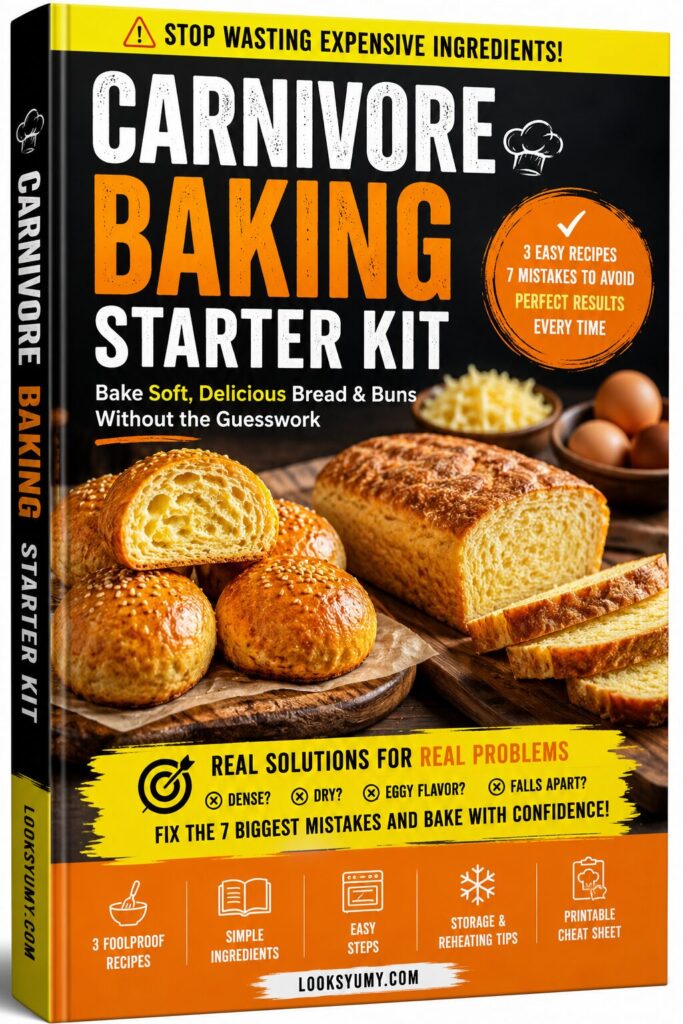
Download the free Carnivore Baking PDF — all bun variations, nutrition tables, and troubleshooting in one printable guide → /carnivore-baking-starter-pack/
At Looksyumy, we’re proud to share recipes that bring people together around the table, creating moments worth remembering with nothing more than three simple ingredients. These carnivore burger buns are just the beginning of what’s possible when you embrace the power of simplicity in the kitchen.
For more updates, follow us on instagram.