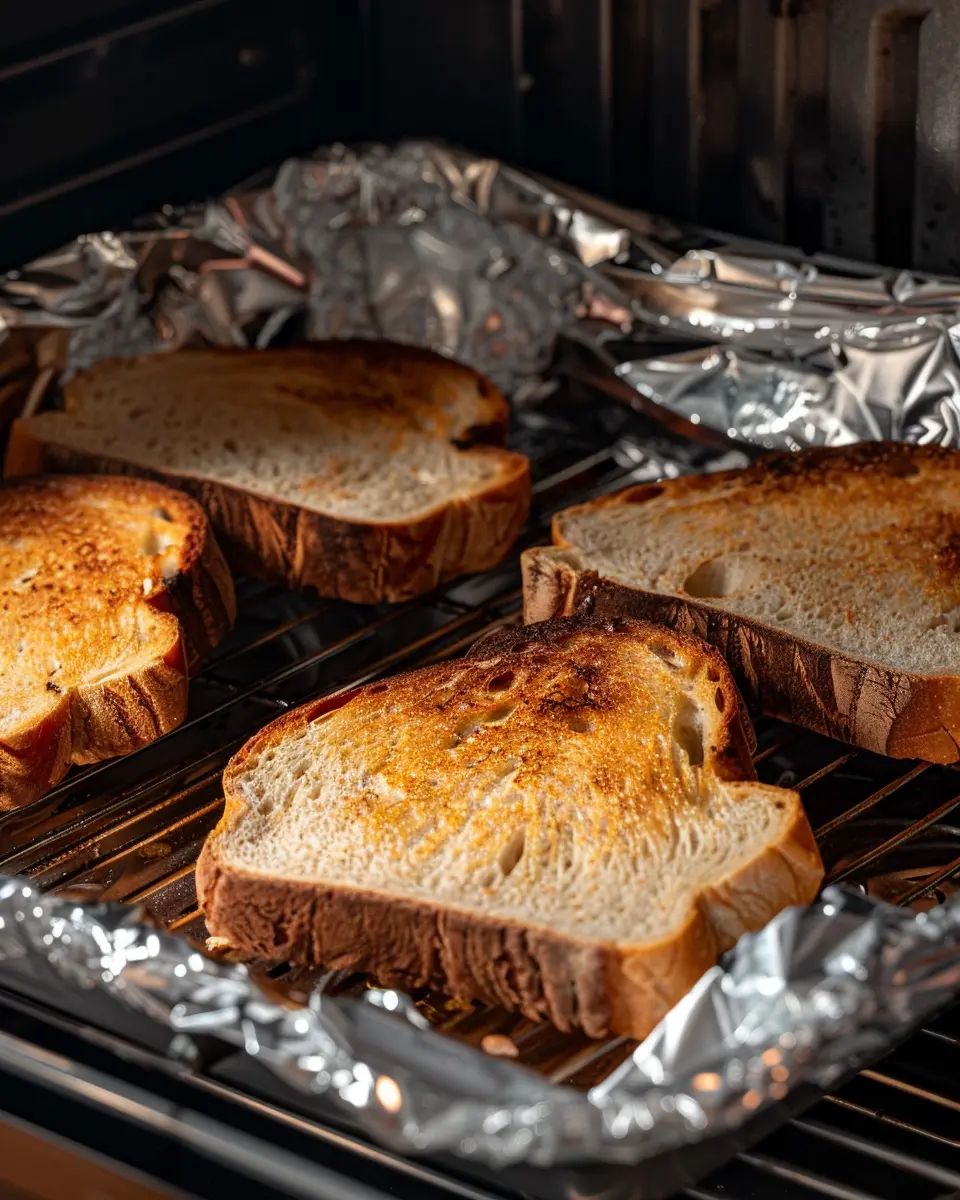
The best way to reheat carnivore bread is in a preheated oven at 300°F (150°C) for 8 to 10 minutes, loosely wrapped in foil. The foil traps gentle heat and prevents surface moisture from escaping — the key to restoring softness rather than drying the bread out. A covered skillet on low heat is the fastest effective alternative for single slices. High microwave power should be avoided entirely: it collapses the bread’s internal structure and produces rubbery texture that cannot be corrected. How you reheat matters as much as how you stored the bread before. For a full freshness foundation, see our bread storage guide.
Quick answer: The best way to reheat carnivore bread is in a 300°F oven wrapped loosely in foil for 8–10 minutes. Gentle heat and moisture containment help restore softness without creating rubbery texture.
Carnivore bread responds to heat differently from wheat-based bread. Its dense, protein-rich composition retains heat unevenly and loses surface moisture quickly under direct dry heat. Understanding why certain methods work — and why others cause permanent texture damage — is the difference between bread that tastes freshly made and bread that tastes reheated.
Table of Contents
Table of Contents
Best Ways to Reheat Carnivore Bread
Each reheating method interacts differently with the bread’s density, moisture content, and surface structure. Not all of them deliver the same result, and knowing the difference before you start saves you from a texture problem you cannot fix after the fact.
Oven reheating
The oven is the most reliable method for full texture recovery. Preheat to 300°F (150°C) — not higher. Wrap the bread loosely in aluminum foil, leaving a small gap at the top so steam can circulate rather than pool against the surface. Heat for 8 to 10 minutes. The foil creates a contained warm environment that distributes heat evenly and protects the surface from the drying effect of open oven air. For refrigerator-cold bread, add 2 extra minutes. For bread at room temperature, 6 to 8 minutes is usually sufficient. Gentle heat is the key mechanism — the oven at low temperature warms from the outside in without pulling moisture away from the interior before it has warmed through.
Skillet reheating
A dry skillet on low to medium-low heat is the fastest effective method for single slices. Place the slice flat in the pan, cover with a lid, and heat for 2 to 3 minutes per side. The lid traps a small amount of steam from the bread’s own internal moisture, softening the surface as it warms. Without the lid, the skillet functions as a one-sided griddle — it crisps the contact surface while doing nothing for the top or interior. The lid is not optional. Do not use high heat: carnivore bread’s protein-dense composition causes the exterior to harden quickly under direct high heat before the center has had time to warm through.
Air fryer reheating
The air fryer works well when you want a slightly crisp exterior with a warm interior. Set it to 300°F (150°C) and heat for 3 to 5 minutes. For maximum softness, wrap the bread loosely in foil before placing it in the basket. Without foil, the circulating hot air accelerates surface drying — the Surface Drying Zone effect — producing a crust that becomes too firm before the interior has warmed evenly. With foil, air fryer results approach oven quality in a fraction of the time.
Toaster reheating
The toaster applies intense direct heat rapidly from both sides, crisping the exterior before the interior has time to warm through evenly. For carnivore bread, this typically produces a hard outer layer with a lukewarm center. It works acceptably for thin, evenly cut slices when crispness is acceptable — but it is not suitable for thick slices or any situation where softness is the goal.
Microwave reheating
The microwave is the least reliable method for texture recovery, but it can serve as a quick fix when used carefully. Use 30 to 50 percent power — never full power — in 15 to 20 second bursts, checking texture between each. Place a small damp paper towel loosely over the bread before microwaving to slow surface moisture loss. Full-power microwaving causes rapid internal moisture expansion followed by immediate structural collapse when cooled — what is sometimes called Dry Heat Collapse — producing the gummy or rubbery result most people associate with microwaved bread. Low power and short bursts are non-negotiable for any acceptable result.
Many reheating texture problems follow the same structural principles explained in our how to fix carnivore bread guide.
Why does carnivore bread become rubbery in the microwave?
High microwave power heats internal moisture too quickly, causing the protein structure to tighten and collapse into a gummy or rubbery texture.
Step-by-Step Reheating Instructions
Most reheating problems come from dry heat exposure, not from the bread itself. Following a consistent sequence protects texture at every stage.
Oven method
Step 1. Preheat the oven to 300°F (150°C) before putting the bread in. Placing bread in a cold oven and heating simultaneously produces uneven results — the outside dries before the center warms.
Step 2. Remove the bread from the refrigerator 10 minutes before reheating. Starting closer to room temperature reduces the risk of the exterior overheating while the interior lags behind.
Step 3. Wrap slices or portions loosely in aluminum foil — secure enough to hold heat but not so tight that steam condenses heavily and wets the surface.
Step 4. Place wrapped bread on the oven rack or on a baking sheet. Heat 8 to 10 minutes for refrigerator-cold bread. Check at 6 minutes for room-temperature bread.
Step 5. Remove from the oven and let rest inside the closed foil for 1 minute before unwrapping. This allows heat to equalize across the slice rather than escaping immediately from the surface.
Step 6. Unwrap and serve immediately. Bread left wrapped beyond 2 minutes after removing from the oven begins to over-soften from trapped steam.
Skillet method
Step 1. Place a dry skillet over low to medium-low heat. No oil or butter needed at this stage.
Step 2. Place the slice flat in the pan. Cover immediately with a lid.
Step 3. Heat for 2 to 3 minutes, then flip and cover again for 1 to 2 minutes on the second side. The second side needs less time because the bread has already begun warming through.
Step 4. Remove when the bread feels warm through the surface when pressed gently — it should spring back slightly rather than feel cold or rigid.
Reheating from frozen
Frozen carnivore bread should never go directly into high heat. The exterior will dry and harden before the interior has had time to thaw. The most reliable approach is two stages: rest at room temperature for 30 to 45 minutes first, then use the standard oven method. If time is short, the foil-wrapped oven method from frozen works at 275°F (135°C) for 15 to 18 minutes. Longer and lower always produces better texture when reheating from frozen. This approach aligns with what our freezing carnivore bread guide recommends for best post-freeze results.
How to Restore Soft Texture
Texture recovery depends more on moisture control than temperature alone. When carnivore bread loses softness after refrigeration, it is not because the bread has degraded — it is because surface moisture has evaporated or migrated inward, leaving the outer layer firm. The goal of reheating for softness is to reverse that process gently.
The wrapped reheating principle
Wrapping bread before reheating creates what can be described as a Moisture Recovery Effect. The bread’s own internal moisture, activated by gentle heat, begins distributing outward. When that moisture cannot escape because the wrap holds it in, it softens the surface from the inside rather than evaporating into the surrounding air. Without containment, moisture leaves the bread and the surface becomes progressively drier during the same reheating process designed to improve it.
Why should carnivore bread be wrapped in foil before reheating?
Foil traps internal moisture during reheating, helping the bread soften instead of drying out under direct heat.
The softness restoration window
There is a specific temperature range within which softness returns without the bread becoming overly soft or wet. For carnivore bread, that window sits at approximately 140°F to 165°F internal temperature — warm to the touch but not hot, soft but not gummy. Reaching this zone requires low ambient heat (280°F to 310°F in the oven) for a controlled duration. Exceeding 325°F pushes the bread past this window — the proteins begin to tighten rather than relax, producing rubbery rather than soft texture. Many of the same principles are covered in our texture troubleshooting guide.
internal temperature guidelines for reheated food Why it works: Your 140°F to 165°F internal temperature range aligns directly with USDA safe reheating temperature guidance.
Steam as a softness tool
A small amount of steam dramatically improves softness during oven reheating. Place a small oven-safe dish with two tablespoons of water on the rack below the bread. The water evaporates during the reheating period and creates a gently moist heat environment. This technique is especially useful for bread that has dried significantly in the refrigerator and less necessary for bread that was stored properly in an airtight container.
When the bread feels dry before reheating
If the bread feels noticeably dry or stiff before reheating, lightly dampen one side of the aluminum foil with water — not the bread itself — then wrap so the damp side faces the surface. As the foil heats in the oven, the moisture transfers gently to the bread’s surface before evaporating inward. The surface stays softer throughout the heating period and arrives noticeably less dry than before reheating began.
Common Reheating Mistakes
Most reheating failures follow a predictable pattern. Understanding the mechanism behind each one prevents it from repeating.
Using too high a temperature. Setting the oven to 350°F or higher to save time is the most common mistake. At those temperatures, the exterior passes through the softness restoration window and begins to dry and harden before the interior has warmed evenly. The result is a hard outer shell over a warm but dense center. Staying at or below 310°F is the most important single variable in oven reheating.
Microwaving on full power. Full-power microwaving heats internal moisture too rapidly. The steam expands outward and the bread feels soft momentarily. Within 30 to 60 seconds of removal, the proteins disrupted by rapid heat tighten — Dry Heat Collapse — and the bread becomes denser and gummier than before reheating. This cannot be corrected once it happens.
Reheating too long. Extending time to ensure the bread is “definitely warm” reliably over-dries the surface. The interior warms faster than the exterior loses moisture in a foil-wrapped oven environment. Check at the minimum recommended time and judge by feel, not by appearance or elapsed time.
Skipping the lid on the skillet. A lidless skillet applies one-sided dry heat. The bottom crisps while the top stays at room temperature. The lid creates the micro-environment that makes skillet reheating viable for texture recovery. This step is not optional.
Reheating straight from frozen at high heat. Placing frozen bread directly into a 350°F oven produces a hard outer crust over a cold, dense center. No high-heat method applied directly to frozen bread recovers texture effectively.
Unwrapping immediately after oven reheating. Removing the foil immediately releases all trapped heat and steam at once. The 1-minute rest inside closed foil allows surface moisture to equalize across the slice. Skipping it produces bread that is softer in the center than at the edges, with the surface already firming before the first bite.
Pro Tips for Better Reheating Results
Combine methods for dried-out bread. For bread that has lost significant moisture, start in the microwave at 30 percent power for 20 to 25 seconds to activate internal moisture gently, then finish in a covered skillet for 2 minutes per side or in the foil-wrapped oven for 5 minutes. The microwave stage softens from the inside without drying the surface; the oven or skillet stage distributes warmth evenly and completes the restoration. This Texture Recovery Balance approach consistently outperforms either method alone. Our soft bread guide covers the freshness variables that determine how much restoration is possible.
Always start from room temperature when possible. A 10-minute rest on the counter before reheating reduces required oven time by 2 to 3 minutes and produces more even results. This matters most for thick slices where the temperature gap between cold interior and heated exterior is most pronounced.
Match the reheating method to the intended use. If you plan to top the bread with ingredients that add moisture, use the air fryer or toaster to add slight crispness for structural resistance. If you plan to eat the bread plain, use the oven or covered skillet to preserve and restore softness.
combining reheating methods for better texture results Why it works: Medically reviewed Healthline article covering multi-method reheating for different food types. Validates your Texture Recovery Balance concept with a trusted health-authority source readers already know.
Do not reheat more than once. Each reheating cycle drives out moisture and degrades the protein structure incrementally. Portion and reheat only what you plan to eat in that sitting. For batch portioning strategies that reduce how often this decision comes up, our carnivore meal prep guide covers practical approaches worth reviewing before your next prep session.
Monitor texture by touch, not just timing. The surface of properly reheated carnivore bread should feel warm and slightly yielding when pressed gently — not rigid, not wet. A cold center feels noticeably firm under gentle pressure. An overheating surface begins to feel tight and dry before it shows any visible drying.
Account for carry-over heat. After removing foil-wrapped bread from the oven, internal temperature continues rising for 60 to 90 seconds as heat equilibrates. Pulling the bread slightly before it reaches peak warmth — letting the rest period inside the foil complete the job — prevents the final minute of oven time from over-drying the surface.
Slice before reheating for thick portions. Reheating a thick portion as a single unit requires more time for heat to reach the center — time during which the exterior is exposed to drying conditions. Slicing into serving sizes before wrapping and reheating dramatically reduces the temperature gradient problem and produces more even results in less time.
How to Reheat Carnivore Bread Without Drying It Out
- Prep Time: 2 minutes
- Cook Time: 8 minutes
- Total Time: 10 minutes
- Yield: 4 slices 1x
- Category: Reheating Guide
- Method: Oven Reheating
- Diet: Gluten Free
Description
Simple reheating method for restoring softness and texture in refrigerated or frozen carnivore bread without drying it out. Ingredients
4 slices carnivore bread
Aluminum foil
Optional: small bowl of water for steam
Instructions
1. Preheat oven to 300°F (150°C).
2. Wrap carnivore bread loosely in foil.
3. Place on baking sheet or oven rack.
4. Heat for 8–10 minutes.
5. Rest inside foil for 1 minute before serving.
Notes
Avoid high heat above 325°F to prevent rubbery texture. Foil helps trap moisture and restore softness.
Nutrition
- Serving Size: 1 slice
- Calories: 120
- Sugar: 0g
- Sodium: 210mg
- Fat: 8g
- Carbohydrates: 1g
- Fiber: 0g
- Protein: 10g
- Cholesterol: 95mg
Your Questions, Answered
What is the best way to reheat carnivore bread? The oven at 300°F (150°C), wrapped loosely in foil for 8 to 10 minutes, delivers the most consistent texture recovery. A covered skillet on low heat is the best single-slice alternative when speed matters.
Can you reheat carnivore bread in the microwave? Yes, but only at 30 to 50 percent power in 15 to 20 second bursts, with a damp paper towel loosely placed over the bread. Full-power microwaving collapses texture and produces a gummy result that cannot be corrected.
How do you reheat carnivore bread without drying it out? Wrap it in foil before placing it in the oven. The foil traps the bread’s own internal moisture, which distributes outward as the bread warms and softens the surface instead of evaporating into the oven air. A lid on a skillet serves the same function.
Why does carnivore bread get rubbery when reheated? Rubbery texture comes from overheating — too high a temperature or too long in the microwave. Excessive heat causes the bread’s proteins to tighten rather than relax. Keeping oven temperature at or below 310°F and microwave power below 50 percent prevents this.
Can you reheat carnivore bread from frozen? Yes — but not at high heat directly from frozen. Either thaw at room temperature for 30 to 45 minutes first and then use the standard oven method, or reheat from frozen at 275°F (135°C) for 15 to 18 minutes wrapped in foil.
How many times can you reheat carnivore bread? Once. Each reheating cycle drives out moisture and degrades texture incrementally. Portion only what you plan to eat before each reheating session.
The Bottom Line
Reheating carnivore bread well comes down to three principles: low heat, moisture containment, and timing control. The foil-wrapped oven at 300°F covers all three and delivers the best overall result. The covered skillet is the fastest effective alternative for single slices. The microwave, used at low power in short bursts, is a workable emergency option — not a routine method.
Gentle reheating restores softness more effectively than high heat every time — not because high heat fails to warm the bread, but because it creates a moisture problem that undoes the result. Control the heat, contain the moisture, check by touch rather than by timer, and carnivore bread reheats reliably well every time.
For the full picture of how storage before reheating affects your starting point, our bread storage guide and soft bread guide cover the freshness and texture foundations that make reheating easier from the start.