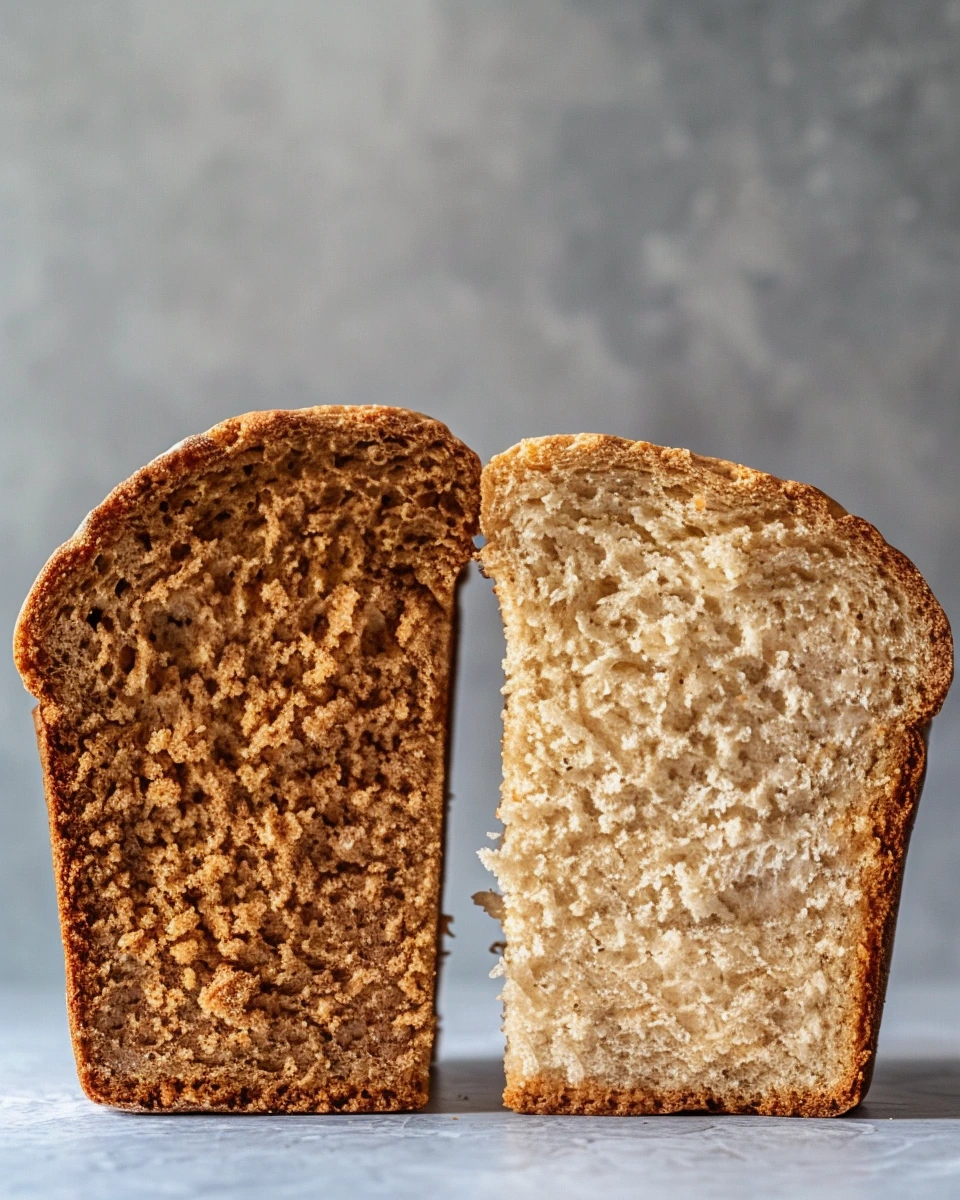
Carnivore bread fails differently than conventional bread. There’s no gluten network to blame. There’s no yeast to coax. What you have instead is a protein-and-fat system that responds to very specific inputs — and when something is off, the batter often shows you before the oven does.
This guide is built around specific failure patterns. Find your problem, diagnose the root cause, and fix it.
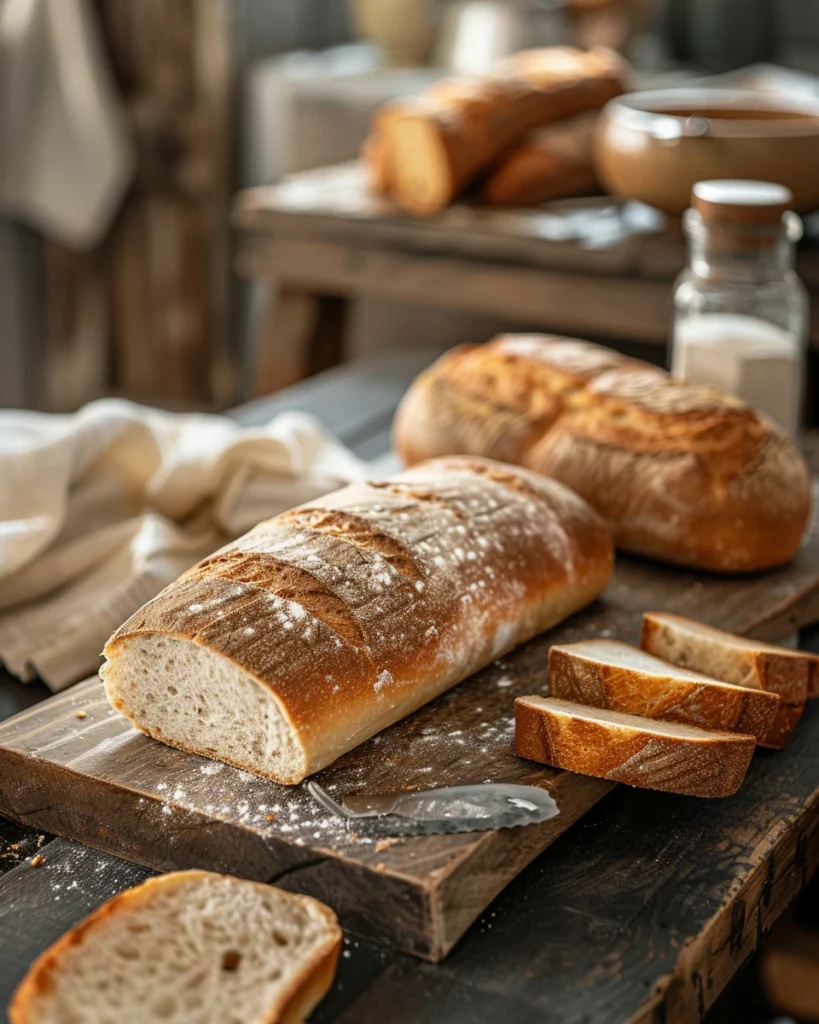
If you’re still experimenting with the basics, start with our complete carnivore bread recipe guide before troubleshooting advanced texture problems.
Most carnivore bread problems start long before baking begins. The batter already knows whether the loaf will turn dense, rubbery, wet, or flat — you just need to learn how to read the signals before the oven exposes them.
Table of Contents
Table of Contents
Carnivore bread usually fails because the protein-to-fat ratio is unbalanced, the batter loses trapped air before baking, or moisture levels exceed what the structure can support. Dense, rubbery, flat, wet, or crumbly textures are typically caused by mixing, fat temperature, egg proportion, or moisture retention problems.
Why Carnivore Bread Fails Differently
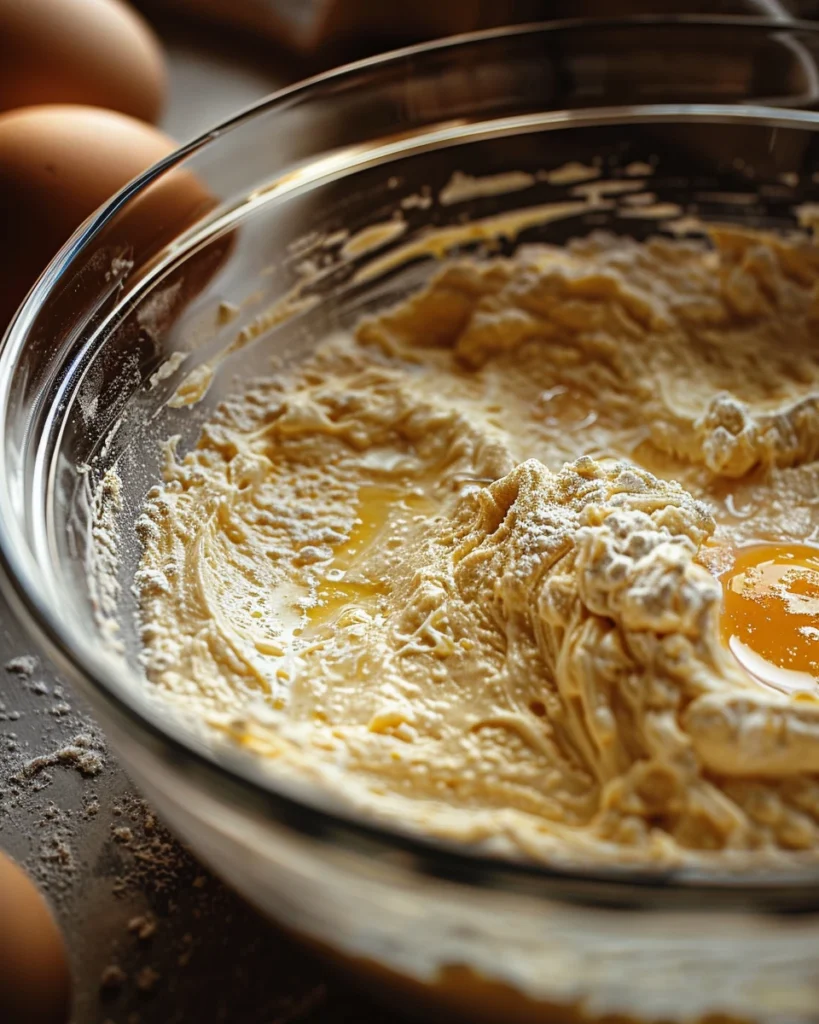
Baking science note: Eggs begin coagulating around 144–158°F, while fats soften and separate depending on emulsification stability. In carnivore baking, balancing these two behaviors determines whether the bread becomes fluffy, rubbery, wet, or crumbly.
In conventional baking, flour provides both structure and bulk. In carnivore bread, eggs or egg whites carry the structural load while animal-based fats (butter, lard, tallow) control tenderness. There is no starch buffer to absorb excess moisture or compensate for technique errors.
The Bowl Phase Rule: Most carnivore bread failures are decided before the pan goes into the oven. Batter behavior — how it looks, pours, and sets — predicts the finished texture with high accuracy. Learning to read the batter is the fastest troubleshooting shortcut.
Problem 1: Dense, Heavy Bread That Won’t Rise
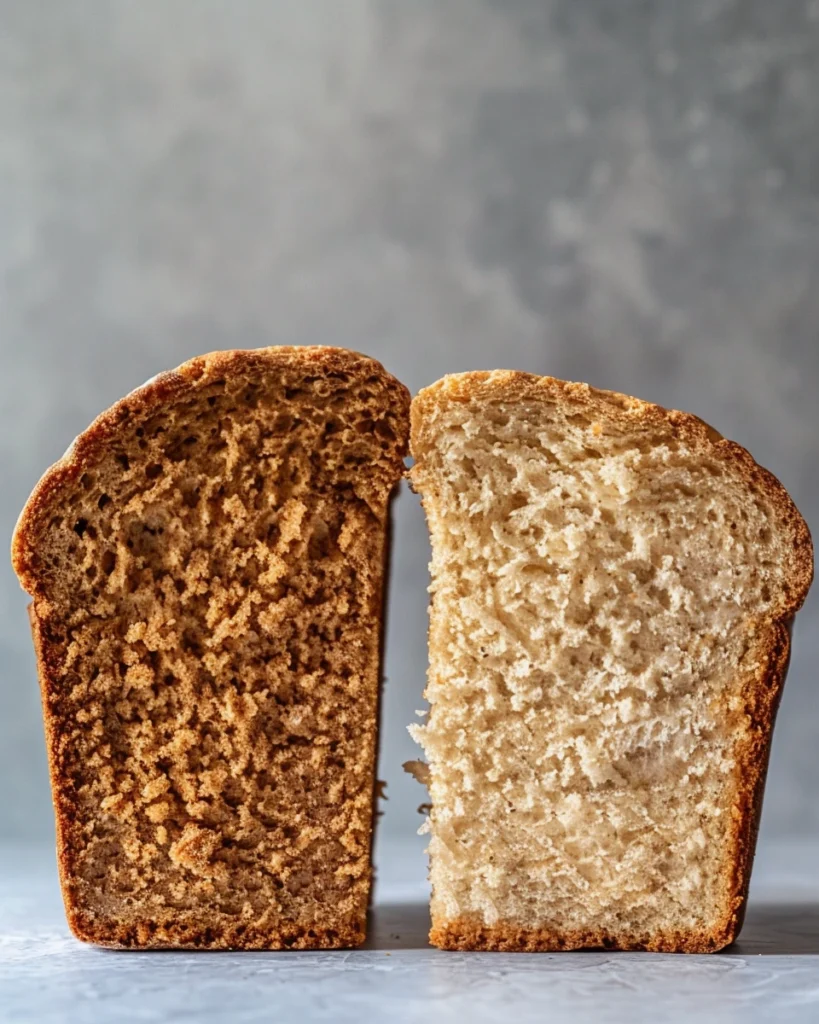
What it looks like
The loaf bakes into a flat, compact brick. The interior is tight, chewy, and gummy. There’s almost no lift — the bread looks the same coming out as it did going in.
Root cause: Structural density trap
Dense carnivore bread usually starts with moisture imbalance, not lack of leavening. When eggs aren’t whipped sufficiently — or when liquid fat is added too quickly to beaten eggs — the air introduced during mixing collapses before baking sets the structure. The result is compressed density, not volume.
Related: soft carnivore bread techniques can help improve lift and reduce heavy texture.
A secondary cause is overloading fat relative to protein. Fat softens structure, while protein determines stability. If a recipe leans heavily on cream cheese, butter, or heavy cream without a corresponding increase in egg whites or whole eggs, the batter simply doesn’t have enough structural scaffolding to hold shape during baking.
How to fix it
Step 1 — Separate and whip egg whites.
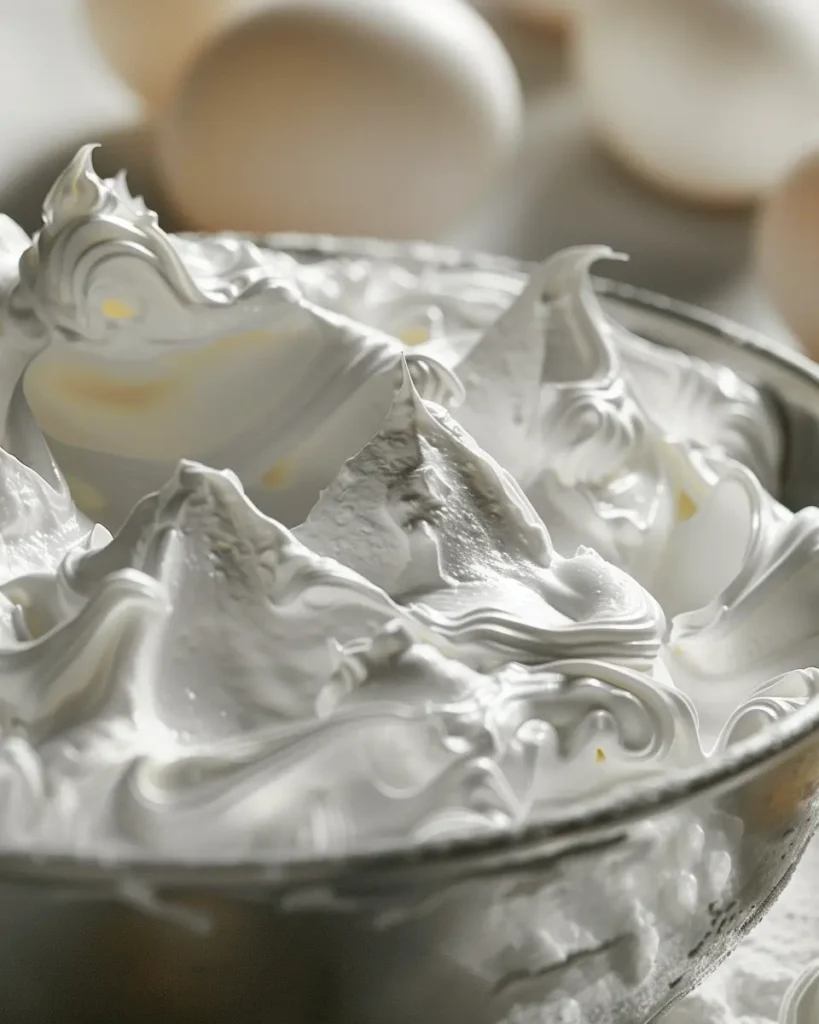
Beat whites to stiff peaks before folding in yolks and fat. This is the single highest-impact change for density. Stiff whites introduce trapped air that acts as a mechanical leavening system.
Step 2 — Check your fat ratio. For every tablespoon of added fat (butter, cream cheese), confirm you have at least 2 full eggs providing structure. If you’re using cream cheese heavily, reduce it by 25–30% before adjusting anything else.
Step 3 — Fold, don’t mix. Once whites are whipped, folding preserves air. Stirring destroys it. Use a spatula and a slow, circular bottom-to-top motion.
Step 4 — Check oven temperature with a thermometer. Carnivore batters need initial heat to set the protein before structure collapses. An oven running 15°F low can prevent lift entirely.
Looksyumy insight: Overmixing carnivore dough rarely creates elasticity — it usually creates trapped density. The more you stir, the heavier the result.
Problem 2: Rubbery or Bouncy Texture
What it looks like
The bread bounces back when pressed. It feels stretchy, almost like a firm omelet. The interior is cohesive but unpleasant — more eraser than bread.
Root cause: Protein compression effec
Why is carnivore bread rubbery?
Carnivore bread turns rubbery when too much egg protein sets into a tight network during baking. Excess eggs, insufficient fat, or high oven temperatures can create a bouncy, omelet-like texture.
Rubber texture is almost always an egg proportion problem combined with under-fat. Eggs coagulate into a tight protein network when overbaked or when fat is insufficient to interrupt that network. The Protein Compression Effect occurs when eggs set into a continuous, uninterrupted matrix — there’s nothing to soften the structure between protein strands.
A secondary cause is baking temperature that’s too high. High heat causes rapid protein contraction. The outer layers set and squeeze the interior, creating a springy, dense ring effect.
You may also want to review these common carnivore baking mistakes that affect texture structure.
How to fix it
Step 1 — Add fat between the proteins. Introduce a tablespoon of sour cream, cream cheese, or softened butter per 3 eggs. Fat physically disrupts protein strand continuity, producing a tender crumb instead of a rubbery one.
Step 2 — Reduce eggs by one. If you’re using 4+ eggs in a small loaf, try 3. Excess egg relative to loaf size is a direct rubber-texture trigger.
Step 3 — Lower baking temperature by 15–25°F and extend time. Slow, even heat allows the interior to set gently rather than contract rapidly. Cover with foil if the top is browning before the interior finishes.
Step 4 — Pull it earlier than you think. Carnivore bread continues cooking from residual heat after it leaves the oven. If it tests done at the center, remove it — it will firm as it cools.
Problem 3: Dry or Crumbly Bread
The loaf may look fine on the outside. Then the first slice reveals the real problem.
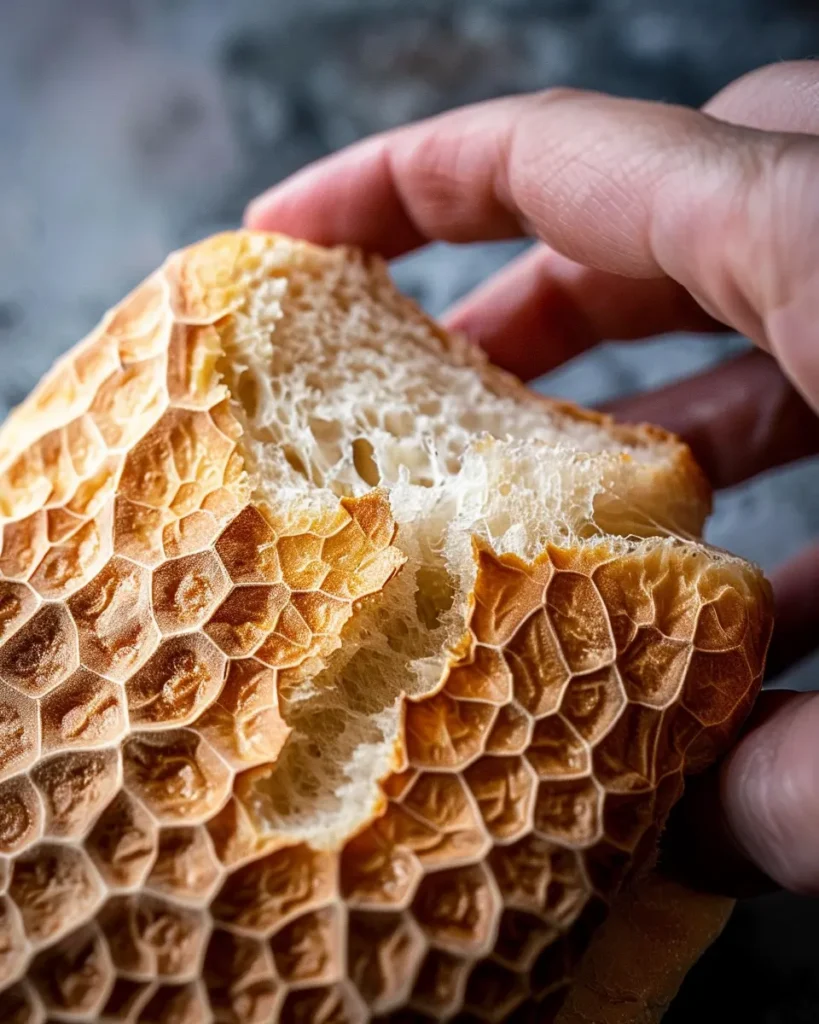
What it looks like
The loaf slices and immediately crumbles. The interior looks dull, almost chalky. It has no cohesion — it falls apart on the plate.
Root cause: Fat lock failure and moisture exit
Crumbly carnivore bread is a fat distribution and moisture retention problem. When fat is not fully emulsified into the batter — for example, when cold butter is added to cold eggs — it separates during baking and pools at the bottom or edges. The interior structure loses its lubricating fat and bakes into a dry, powdery crumb.
The Fat Lock Effect: Fat only holds moisture inside the crumb structure when it’s incorporated smoothly into the batter at room temperature. Cold fat doesn’t emulsify — it sits in pockets and leaves dry zones in the structure.
How to fix it
Step 1 — Bring all ingredients to room temperature. This is non-negotiable for moisture retention. Cold eggs and cold fat don’t combine properly. Give everything 30 minutes on the counter before mixing.
Step 2 — Add a moisture-binding ingredient. A tablespoon of full-fat sour cream or Greek yogurt (if tolerated) dramatically improves moisture retention. These ingredients carry water bound to fat — they don’t evaporate the way liquid dairy can.
Step 3 — Cover during baking. A foil tent for the first two-thirds of baking slows surface moisture evaporation. Remove it for the final 10–12 minutes to allow browning.
Step 4 — Don’t slice hot. Cutting into hot carnivore bread releases steam and accelerates crumbling. Let the loaf cool for at least 20–25 minutes. The structure continues setting as it cools.
Problem 4: Flat Bread With No Volume
What it looks like
The batter spreads sideways instead of rising. The finished loaf is wide and short — less than an inch tall. The texture might be acceptable but the shape is wrong.
Root cause: Bowl phase errors in batter consistency
Flat carnivore bread usually traces back to one of three bowl phase errors: batter that’s too thin, fat that’s too warm, or whites that weren’t stiff enough.
When batter is thin, it flows and spreads before the protein sets during baking. When butter or other fat is too warm (but not fully melted), it partially deflates whipped whites on contact. When whites are only at soft peaks rather than stiff, they collapse under the weight of other ingredients before structure forms.
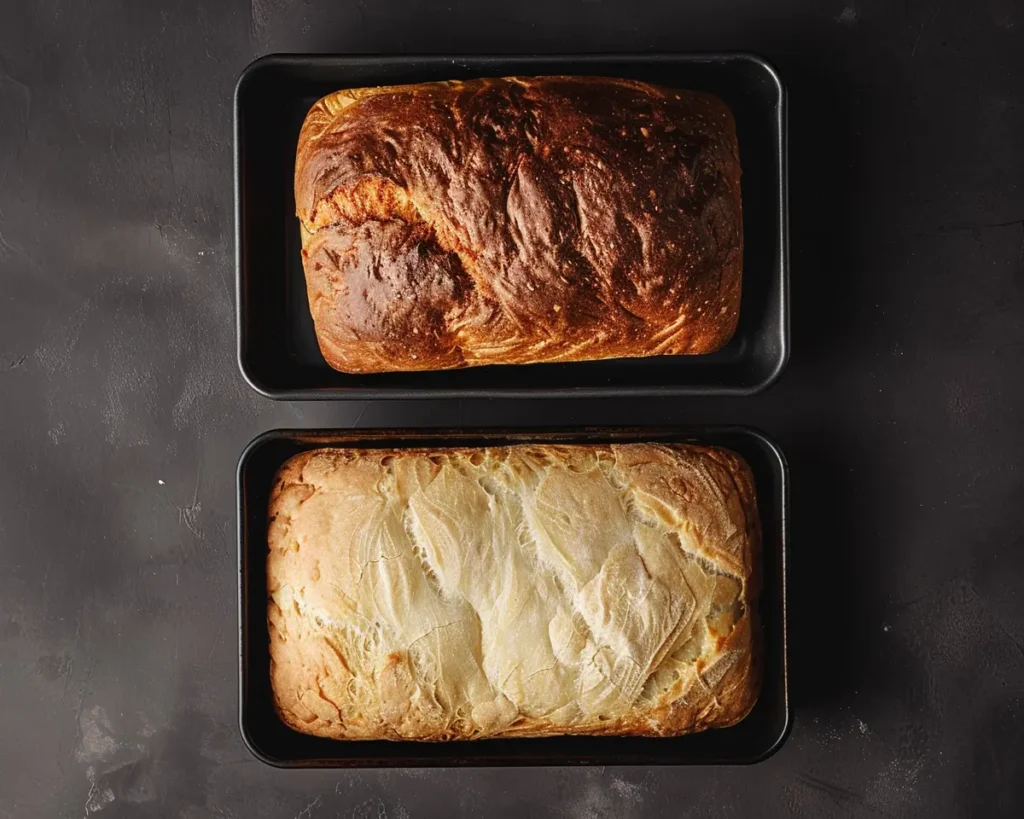
Surface Dryness Signal: Well-structured carnivore batter should hold a slow ribbon shape when dropped from a spoon. If it pours like cream, it’s too thin to hold structure during baking.
How to fix it
Step 1 — Test batter consistency. Drop a spoonful back into the bowl. It should hold its shape for 3–4 seconds before slowly melting back in. If it disappears instantly, you need more body.
Step 2 — Beat whites to true stiff peaks. The bowl should be fully inverted with no movement. Soft peaks are not sufficient for volume in carnivore bread — they provide some lift but collapse before baking sets the structure.
Step 3 — Cool your fat. If adding melted butter or warm cream cheese, let it cool to lukewarm (around 90–95°F) before folding in. Warm fat melts foam structure on contact.
Step 4 — Use a smaller, taller pan. A narrow loaf pan forces batter upward. Wide, shallow pans allow spread. If you’re using a large pan for a small batch, tent the sides with folded foil to create a narrower cavity.
Step 5 — Check leavening (if used). Baking powder loses potency quickly after opening. Test it in warm water — it should bubble actively within a few seconds.
Problem 5: Wet, Undercooked Interior
What it looks like
The outside looks done — brown, set, even slightly crisp. But when sliced, the inside is wet, custardy, or gummy. The center might even look translucent.
Root cause: Moisture trap ratio imbalance
Wet interiors happen when the moisture-to-protein ratio is too high for the baking time and temperature. Carnivore batters that include heavy cream, sour cream, or cream cheese carry significant water content. If that water doesn’t evaporate during baking, the protein sets around trapped steam — producing the characteristic wet, custardy center.
This is also a pan depth problem. Deep loaves hold more internal moisture. The outside sets and acts as a barrier, trapping steam in the core and preventing it from escaping.
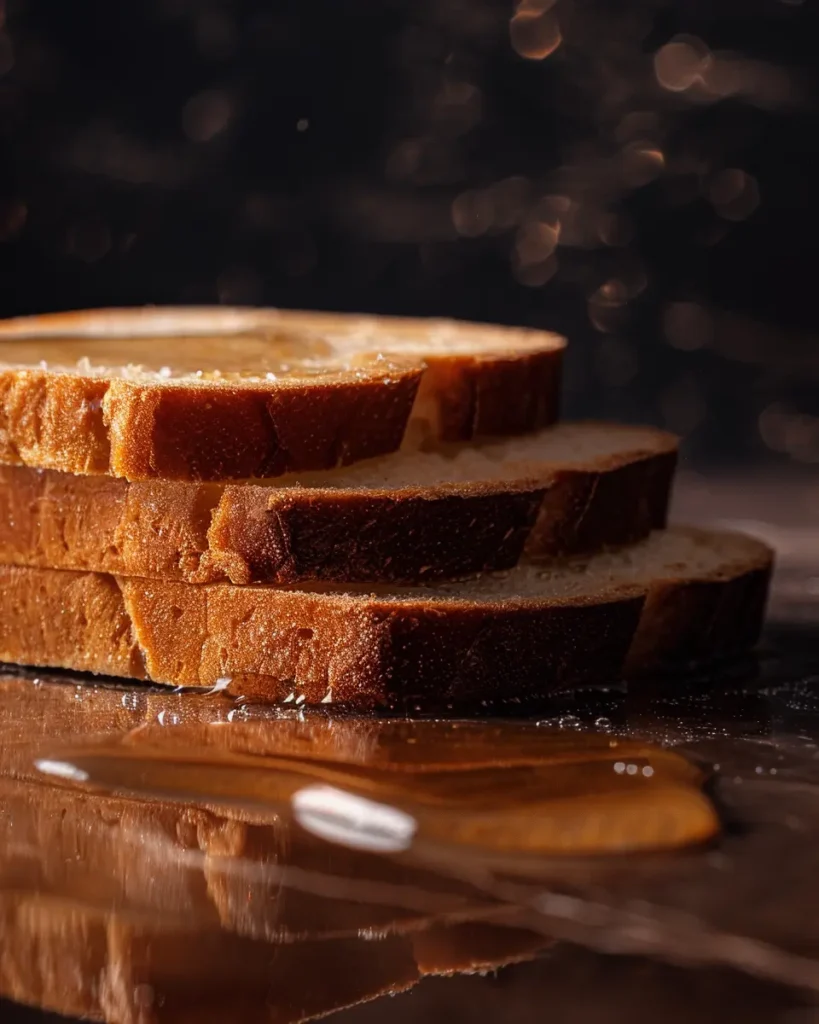
The Moisture Trap Ratio: When cream cheese or sour cream exceeds roughly 2 tablespoons per 3 eggs, moisture retention often outpaces baking capacity at standard temperatures. The center simply can’t dry out fast enough before the outside finishes.
For deeper moisture control strategies, see our carnivore dough consistency guide.
How to fix it
Step 1 — Use a toothpick and trust it. Insert at center. It should come out clean or with dry crumbs. Wet batter means it needs more time.
Step 2 — Reduce oven temperature and extend bake time. If the outside is browning too fast while the inside is still wet, drop temperature by 25°F and add 8–12 minutes. Cover the top with foil if needed.
Step 3 — Reduce wet dairy by 1 tablespoon at a time. Don’t cut it all at once — it contributes to tenderness. Reduce incrementally until the interior sets properly.
Step 4 — Bake in a water bath (optional). Counterintuitively, a water bath creates even, gentle heat that prevents the outer shell from setting too quickly — allowing the interior to catch up. Place the loaf pan in a larger pan with 1 inch of hot water.
Step 5 — Check at 10 minutes before the recipe says. Then every 5 minutes after. Every oven is different, and carnivore bread is more sensitive to time variation than conventional bread.
Problem 6: Bread That Sinks After Baking
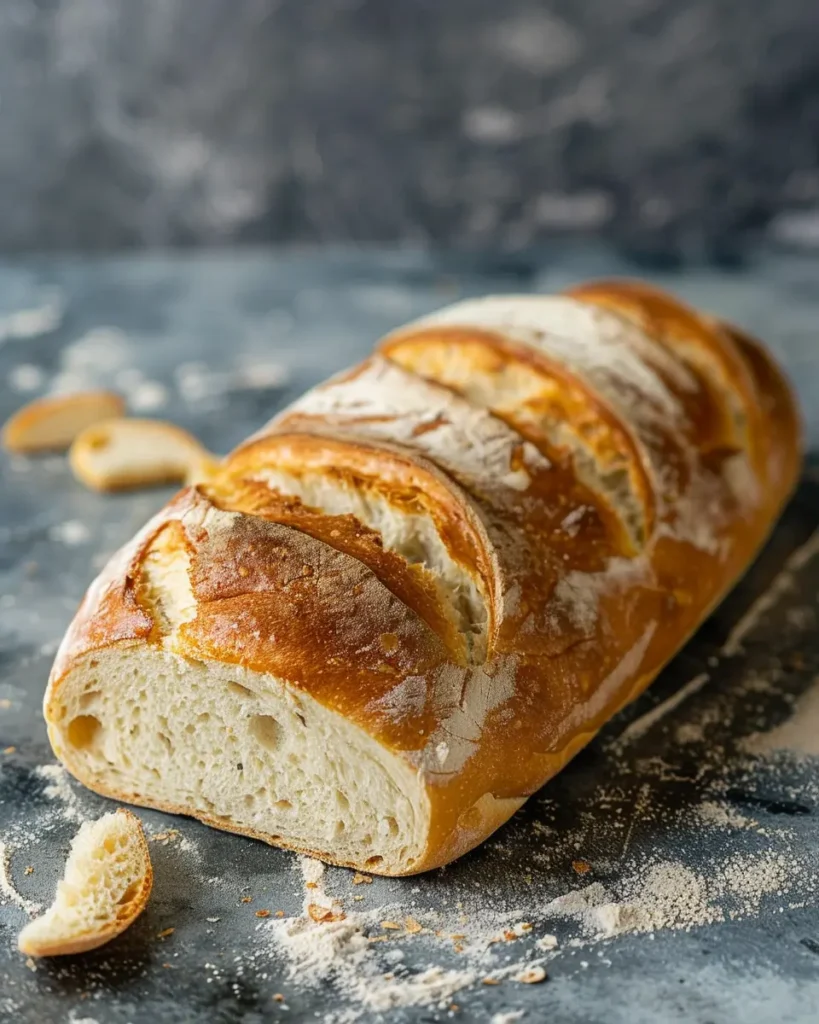
What it looks like
The loaf rises beautifully in the oven, then collapses in the center as it cools — sometimes dramatically.
Root cause: Structure Before Heat failure
Sinking is a classic sign that the protein structure set before it could fully support itself, or that the interior wasn’t done when the bread came out. The air inside the bread expands during baking; if the protein matrix isn’t strong enough to hold that expansion permanently, it collapses when the bread cools and the air contracts.
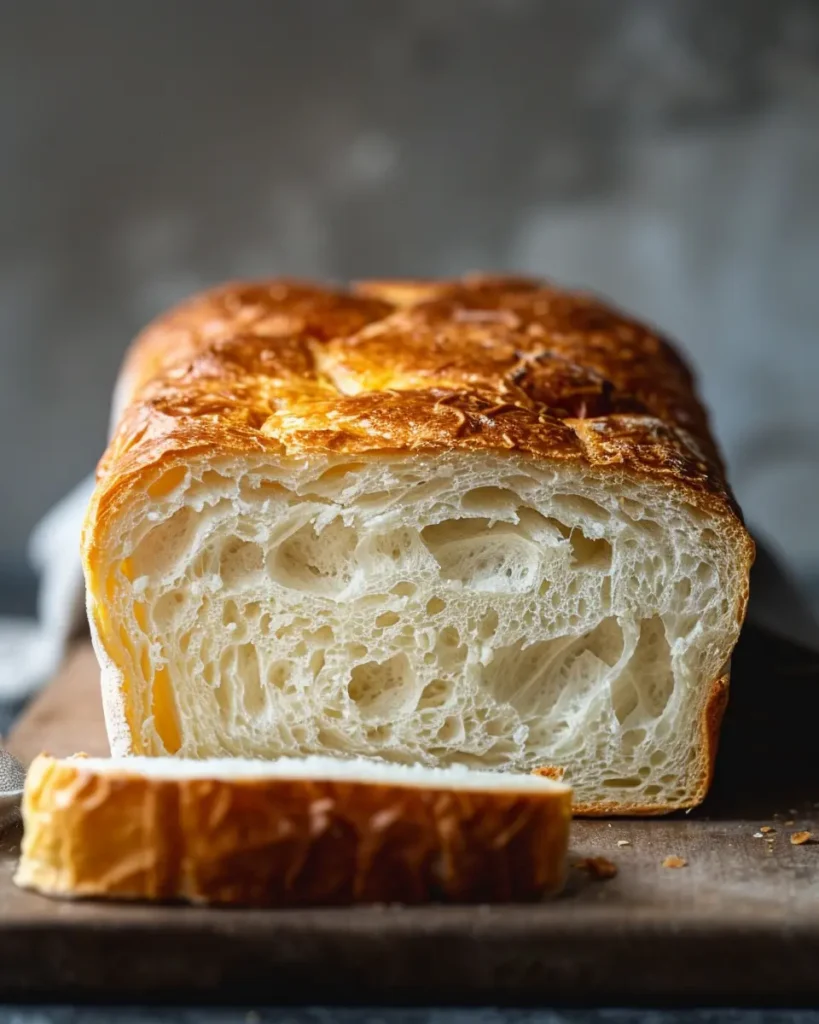
Structure Before Heat Principle: In carnivore bread, structure must be established in the batter — through adequate egg whites and proper fat ratios — before heat is applied. Heat sets the structure; it cannot create it. If the batter lacks structural integrity at room temperature, the oven can’t compensate.The oven doesn’t create structure. It only reveals whether the structure was already there.
How to fix it
Step 1 — Confirm the bread is fully baked before removing. A toothpick must come out clean. Internal temperature should reach 200–205°F. If in doubt, give it 5 more minutes.
Step 2 — Don’t open the oven in the first two-thirds of baking. Temperature drops cause partial structural collapse in an unset batter.
Step 3 — Add cream of tartar to egg whites. A pinch (¼ tsp per 4 whites) stabilizes the foam and makes it more resistant to temperature-related collapse.
Step 4 — Cool upside down (for loaf shapes). Some bakers cool carnivore loaves inverted on a wire rack to prevent gravity-driven collapse of a still-setting structure.
Step 5 — Audit your baking powder quantity. Too much leavening causes the bread to rise faster than structure can form, then collapse. Reduce by 25% if you’ve been generous.
Carnivore bread rarely fails randomly. The texture usually points directly to the mistake.
Quick Diagnosis: Batter Behavior Signals
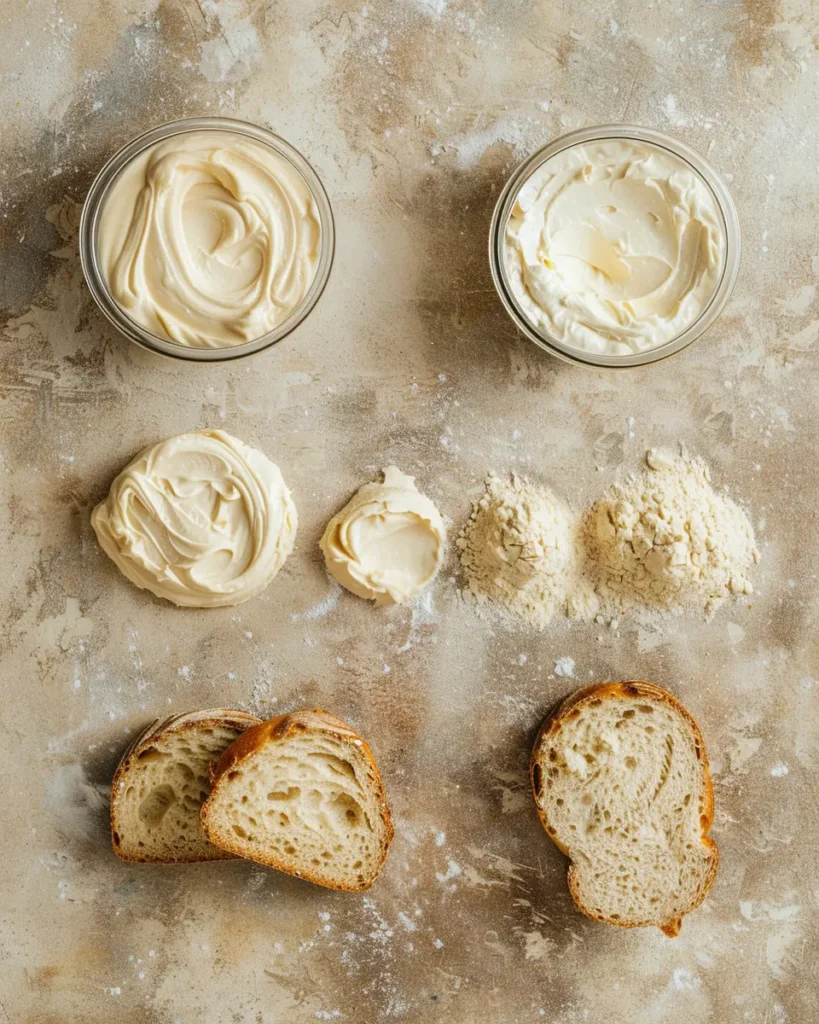
Texture problems often appear in the batter before they appear in the oven. Use this guide before baking:
| What the batter looks like | What it predicts | What to do |
|---|---|---|
| Thin and pourable | Flat, spread loaf | Add egg white or reduce liquid fat |
| Lumpy with visible fat pockets | Dry, crumbly interior | Bring to room temperature, re-mix |
| Smooth but heavy | Dense, tight crumb | Check egg white aeration |
| Holds shape on a spoon | Good structure | Proceed |
| Foam on top, liquid underneath | Separated batter | Fold again, but gently |
The Most Common Mistake: Changing Too Many Things at Once
When carnivore bread fails, the instinct is to overhaul the recipe. But each change you make affects two or three other variables simultaneously. Fat affects moisture and tenderness. Eggs affect structure and rise. Temperature affects both.
Fix one variable per bake. Test it. Then move to the next problem. This is the only reliable way to diagnose a carnivore bread issue — and the fastest path to a consistent result.
Frequently Asked Questions
Why does carnivore bread collapse after baking?
Carnivore bread usually collapses because the internal protein structure was not fully set before cooling. Weak egg white foam, excess moisture, or underbaking are the most common causes.
Why is my carnivore bread chewy?
Chewy carnivore bread is typically caused by excess egg protein, overmixing, or insufficient fat. Lower baking temperatures and better fat balance usually improve texture.
Can carnivore bread be fluffy?
Yes. Properly whipped egg whites, balanced fat ratios, and controlled baking temperatures can create surprisingly light and fluffy carnivore bread.
Why is my carnivore bread wet in the middle?
A wet center usually means the loaf contains more moisture than the structure can support during baking. Excess dairy or insufficient bake time are common triggers.
At Looksyumy, we’re proud to share recipes that bring people together around the table, creating moments worth remembering with nothing more than three simple ingredients. These carnivore burger buns are just the beginning of what’s possible when you embrace the power of simplicity in the kitchen.
Related reading: Why carnivore bread is dense · How to make soft carnivore bread · Carnivore dough consistency guide · Common carnivore baking mistakes · Carnivore baking tips
For more updates, follow us on instagram.