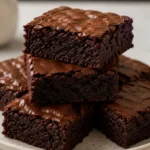
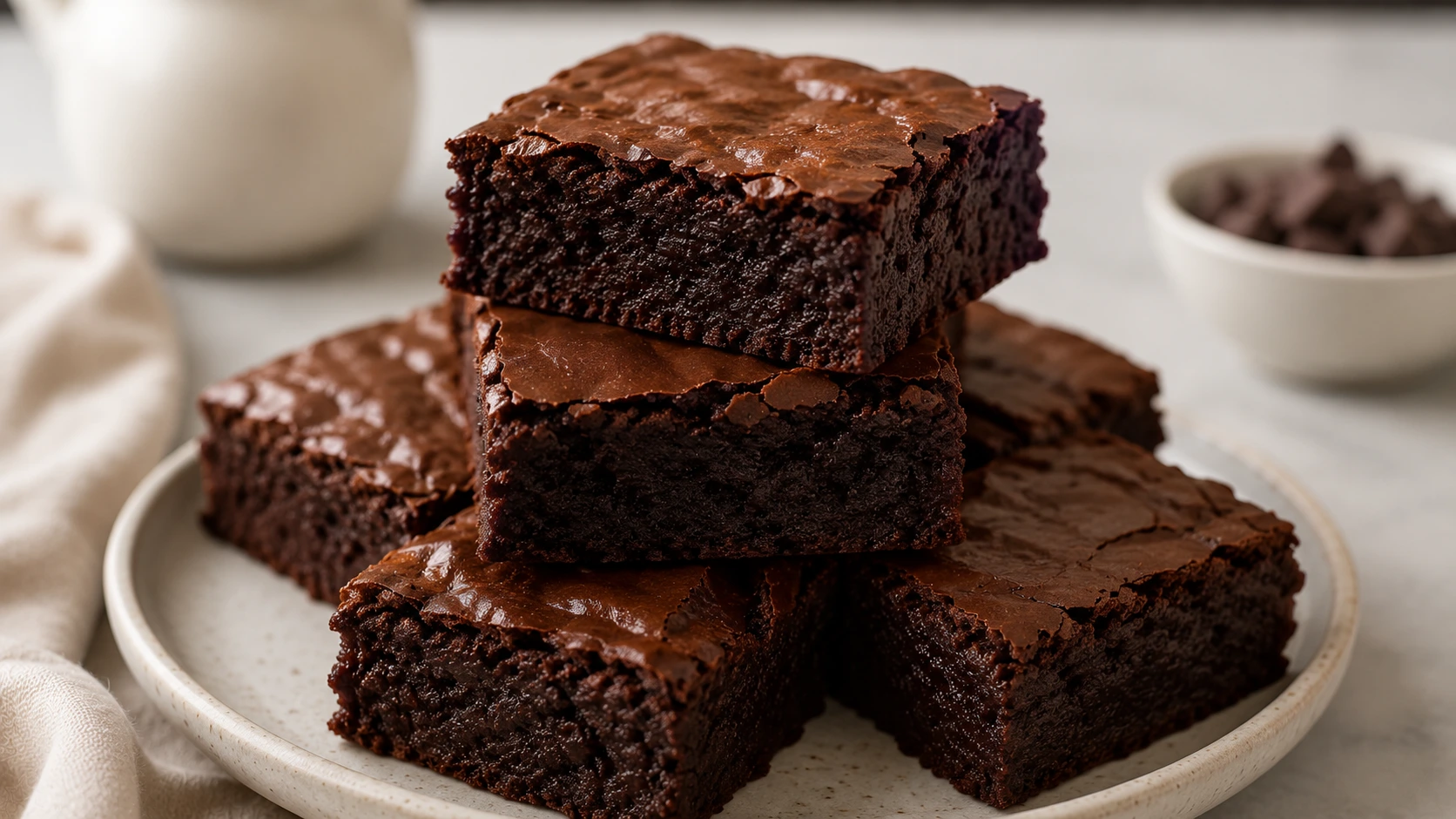
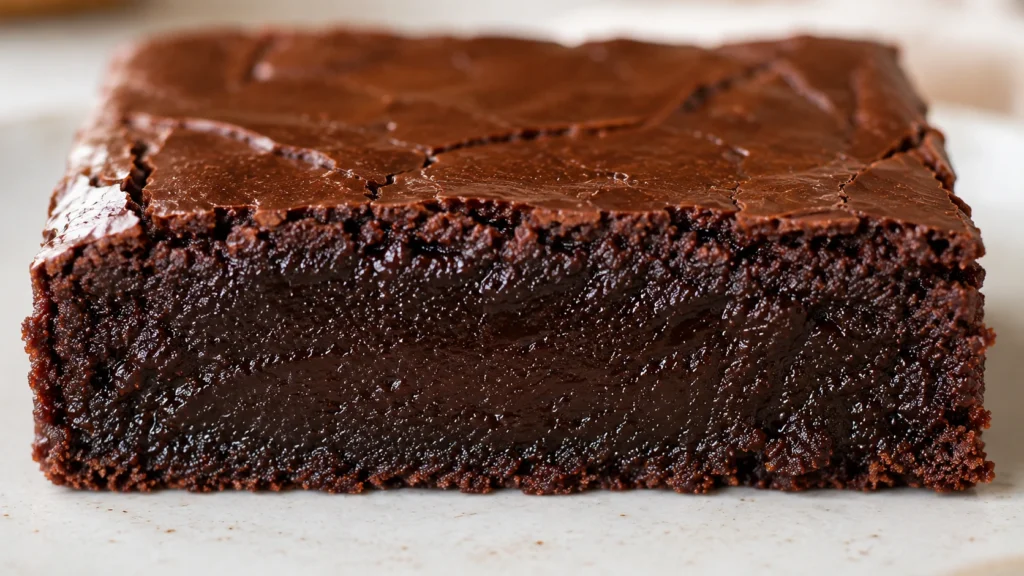
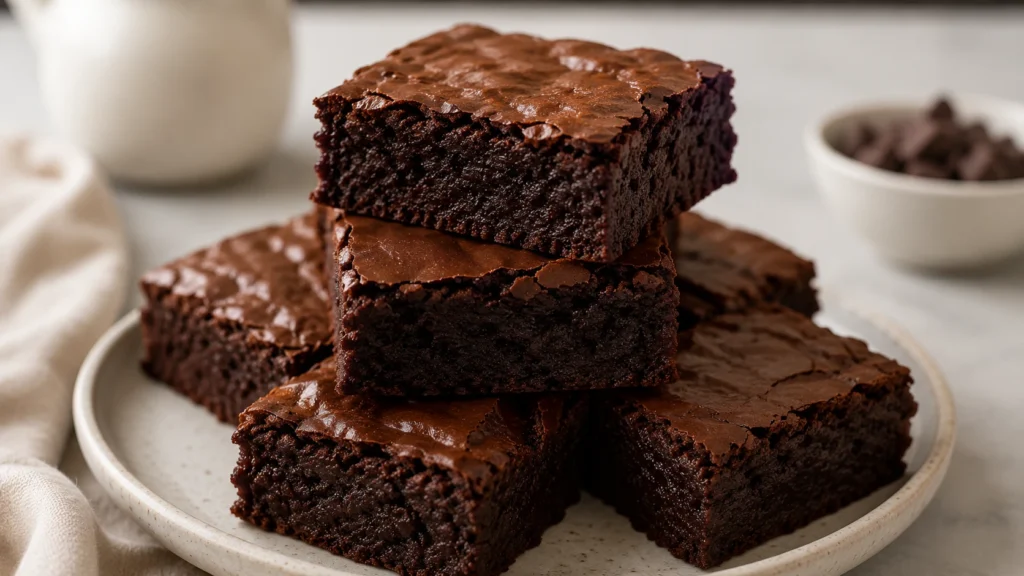
One fat, one chocolate ratio, one bake time rule — and a center so fudgy it barely needs a fork.
Most carnivore brownies go wrong in the same place: somewhere between “rich and fudgy” and “dry, crumbly, and a little too eggy.” The fat you choose, how much chocolate you use relative to eggs, and exactly how long you leave the pan in the oven all decide which side of that line you land on — and the margin is smaller than people expect.
This guide walks through the Looksyumy Fudgy Center Method, a fat-and-chocolate approach built specifically to avoid the dry, cakey texture that carnivore brownies tend toward without flour to hold moisture. You’ll get the full recipe, the reasoning behind each step, a troubleshooting map, and the decision points that actually move the needle on texture.
If your last batch came out dry or crumbly, it wasn’t the recipe’s fault in some vague way — it was one of a few specific, fixable things. All of them are covered below.
If you enjoy rich animal-based desserts, carnivore custard uses many of the same ingredients but creates a silky spoonable texture instead of a dense brownie.
How to bake carnivore brownies that stay fudgy, moist, rich, and chocolatey without turning dry, crumbly, cakey, or rubbery: Use a fat with a high melting point like beef tallow or butter alongside real melted chocolate rather than cocoa powder alone, keep the egg count just high enough to bind the batter without adding excess protein, and pull the pan while the center still looks slightly underset, since carryover heat finishes the job as it cools.
| Detail | Info |
|---|---|
| Prep time | 15 minutes |
| Bake time | 25–30 minutes |
| Cooling time | 1–2 hours (do not skip) |
| Total time | About 2.5 hours, mostly hands-off |
| Yield | One 8×8-inch pan, 9 brownies |
| Method | Looksyumy Fudgy Center Method |
| Texture | Dense, fudgy, deeply chocolatey |
| Skill level | Beginner-friendly |
What You’ll Need
- 8 oz (225g) unsweetened baking chocolate, chopped
- ½ cup (113g) butter or beef tallow
- 4 large eggs
- 2 egg yolks
- 2 tablespoons (30ml) heavy cream
- Pinch of salt
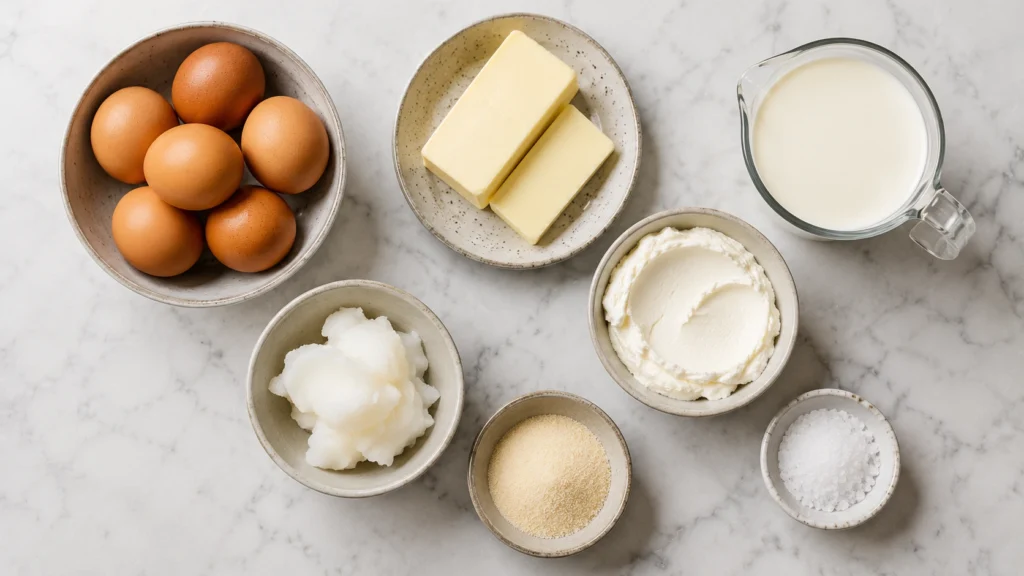
No flour, no leavening — the entire structure comes from melted chocolate, fat, and egg protein, which is exactly why the ratio between those three matters more here than in a standard brownie recipe.
How to Make It
1. Melt the chocolate and fat together, low and slow. Use a double boiler or short bursts in the microwave, stirring often. Melting too fast or too hot can scorch the chocolate and cause the cocoa butter to separate out, which shows up later as a greasy, grainy texture instead of a smooth one.
2. Let the melted mixture cool slightly. Give it five minutes off the heat before adding eggs. Pouring warm eggs into a mixture that’s too hot will partially cook them on contact — the same shock that curdles a custard, just happening inside your brownie batter instead.
3. Whisk in the eggs and yolks one at a time. Mix just until each one disappears into the batter. You want the eggs fully incorporated for binding, but you don’t want to whip air into the mixture — extra air here works against the dense, fudgy texture you’re after.
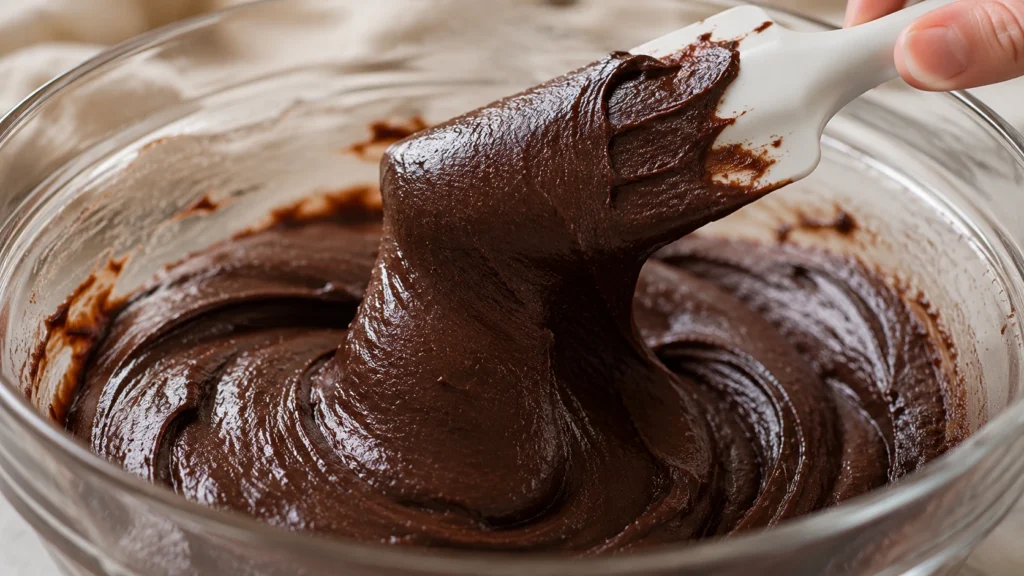
4. Stir in the heavy cream and salt. This step is quick — you’re rounding out richness and flavor, not building structure. A minute of gentle stirring is plenty.
5. Pour into a lined 8×8-inch pan. Parchment paper with an overhang on two sides makes lifting the brownies out afterward far easier than trying to cut them straight from the pan.
6. Bake at 325°F (163°C) for 25–30 minutes. The center should look slightly underset and shiny, not dry or cracked on top. A toothpick will come out with a few moist crumbs clinging to it — not clean, and not wet batter either.
7. Cool completely before cutting. This is the step people skip, and it’s the one that matters most. Give the pan a full 1–2 hours at room temperature. The center is still setting during this window, and cutting too early gives you a brownie that looks underdone even when it’s actually perfect.
Why Fat Choice Decides Fudgy vs. Dry
Without flour to trap moisture, a carnivore brownie’s texture comes down almost entirely to fat and egg ratio. Too much egg relative to fat, and you get something closer to a dense chocolate omelet than a brownie. Too little fat, and the batter dries out and turns crumbly as soon as it cools.
The same fat-rich approach that keeps these brownies fudgy is also what gives carnivore chocolate mousse its smooth, stable texture.
The Fudgy Center Method exists to control that balance directly. It leans on a fat with a high melting point — butter or beef tallow — combined with real melted chocolate rather than cocoa powder, because melted chocolate brings its own cocoa butter into the mix, adding fat exactly where the structure needs it most. That extra fat is what keeps the crumb dense and moist instead of cakey, even without a single gram of flour.
Use this approach any time you’re building a flourless, egg-and-fat-based chocolate dessert — it applies to this recipe, and it’s also the reasoning behind why a carnivore chocolate mousse holds together the way it does. If a recipe relies only on cocoa powder with no real chocolate or added fat, expect a drier, more crumbly result no matter how carefully it’s baked.
Choosing Your Ingredients
Butter and beef tallow behave differently once they hit the batter, mostly because of how each one holds up under heat. Butter contains milk solids and a small amount of water, which adds a lighter, slightly more delicate crumb along with a rounder, dairy-forward flavor. Beef tallow is closer to pure fat, with USDA data on rendered beef fat showing it’s almost entirely saturated and monounsaturated fat with essentially no water content — which means brownies made with tallow tend to stay denser and moister for longer, since there’s no water to evaporate off during baking.
| Option | Texture Result | Flavor | Best For |
|---|---|---|---|
| Butter | Slightly lighter, still fudgy | Rounder, dairy-forward | Classic brownie flavor |
| Beef tallow | Denser, more moisture retention | Cleaner, lets chocolate lead | Strict carnivore approach, longer freshness |
| Half butter, half tallow | Balanced | Rich with subtle depth | Best of both worlds |
Real melted chocolate versus cocoa powder is really a fat-content decision more than a flavor one. Melted chocolate — which by FDA labeling standards must meet specific cocoa-derived composition requirements to legally carry the name — brings cocoa butter along with the chocolate flavor, and that fat is doing real structural work in the final texture. Cocoa powder alone has almost none of that fat left, since it’s been pressed out during processing, so a cocoa-powder-only brownie needs extra added fat to compensate or it will bake up drier and more crumbly.
| Option | Fat Contribution | Texture Effect | Best For |
|---|---|---|---|
| Melted chocolate | High (cocoa butter included) | Fudgier, denser | Recommended default |
| Cocoa powder alone | Very low | Drier, more cake-like unless fat is added | Only with extra added fat |
| Combination | Moderate-high | Deep flavor, still fudgy | Bakers wanting more chocolate intensity |
Whole eggs versus extra yolks changes the protein-to-fat ratio in a small but noticeable way. Whole eggs add more of the structural white protein, which firms the batter more as it bakes, while extra yolks add richness and fat without much added structure. Here’s what most people miss — a brownie leaning too far toward whole eggs can taste slightly eggy and set up more cake-like, which is exactly the direction this recipe avoids by including two extra yolks beyond the whole eggs.
A thin pan spreads the batter out more, so it bakes faster and gives you a firmer, slightly less fudgy result edge to edge. A deep pan holds more batter per square inch, which means a longer bake and a noticeably fudgier center, since the middle takes longer to reach the same doneness as the edges — that’s often exactly what you want, as long as you extend the bake time to match.
Fresh brownies taste best within the first day or two, when the fudgy texture is at its peak. Making them a day ahead actually works in your favor here, since the texture firms up slightly and slices more cleanly once fully cooled and rested overnight.
Freezing works well for this recipe specifically because the high fat content resists the ice-crystal damage that ruins texture in lower-fat baked goods. Wrap individual squares tightly and thaw at room temperature for about 20 minutes before serving — thawing in the fridge works too, but takes longer and the texture is nearly as good either way.
For meal prep, this recipe holds up better than most carnivore desserts because there’s no delicate crust or custard layer to protect — just cut, wrap, and grab one whenever you want a portion. For beginners, stick to the recipe as written; the ratio here already has some built-in margin for error, especially compared to a custard or cheesecake, which is part of why chocolate desserts are often a good starting point in carnivore baking.
What’s Actually Happening in the Pan
Chocolate melting is the first real transformation in this recipe — as chocolate heats past around 90–95°F, its cocoa butter shifts from a solid crystal structure into a smooth liquid, carrying the cocoa solids and flavor along with it. Melt it too fast over high heat and that fat can separate from the solids instead of blending smoothly, which is why low, gentle heat matters here just as much as it does with dairy.
Fat crystallization is what happens on the other end, as the batter cools after baking — cocoa butter and the added fat re-solidify into a fine crystal network that gives a set brownie its dense, sliceable structure. This is part of why brownies need real cooling time before cutting; slicing into a still-warm pan interrupts that crystallization process and can make an otherwise perfect brownie look gummy or underdone.
Protein coagulation is doing the same job here that it does in a custard or cheesecake — as the eggs heat, their proteins unfold and link together, holding the batter’s structure together around the fat and chocolate. The difference is proportion: a brownie deliberately uses less egg relative to fat than a custard does, which is exactly why the texture ends up dense and fudgy instead of set and jiggly.
Moisture retention is the reason fat choice matters so much in a flourless recipe. Fat physically coats flour-replacement ingredients less than you’d think — really, it’s replacing the moisture-holding job that flour and its starches would normally do in a traditional brownie. A higher-fat batter holds onto more moisture as it bakes and cools, which is the core reason this recipe leans on melted chocolate and a solid fat rather than cocoa powder and a smaller amount of oil.
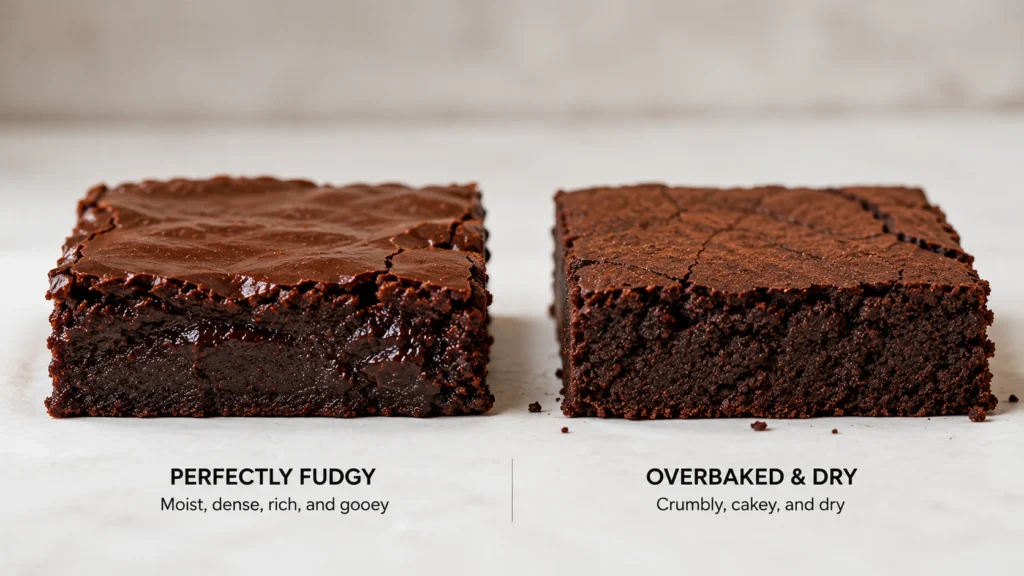
Residual heat and carryover cooking explain why the center should look slightly underset when you pull the pan. The brownies keep cooking gently from stored heat in the pan and batter for several minutes after leaving the oven — waiting for a completely clean toothpick means you’ve already overshot into dry, crumbly territory by the time the pan cools.
| Problem | Cause | Fix |
|---|---|---|
| Dry, crumbly texture | Too little fat, or overbaked | Increase fat slightly, pull pan while center looks underset |
| Cakey texture | Too much egg relative to fat and chocolate | Reduce whole eggs, add an extra yolk instead |
| Greasy or grainy top | Chocolate and fat melted too fast or too hot | Melt low and slow, stir often, let cool slightly before adding eggs |
| Gummy or underdone center | Cut before fully cooled | Let the pan rest 1–2 hours before slicing |
| Overly eggy flavor | Egg ratio too high for the amount of chocolate | Shift toward more chocolate, fewer whole eggs |
| Brownies stick to the pan | No parchment liner, or cut too soon | Line the pan and cool fully before removing |
| You Want | Adjust This |
|---|---|
| Extra fudgy, dense center | Use a deeper pan, extend bake time slightly |
| Firmer, more sliceable edges | Use a thinner pan, reduce bake time slightly |
| Deeper chocolate flavor | Increase melted chocolate, keep fat the same |
| Richer, less eggy flavor | Swap a whole egg for an extra yolk |
| Bake Time | Result |
|---|---|
| 20–24 minutes | Very fudgy, almost underset — best for a deep pan |
| 25–30 minutes | Recommended — balanced fudgy center with set edges |
| 32–35 minutes | Firmer, closer to cake-like at the edges |
| 38+ minutes | Overbaked — dry and crumbly regardless of ratio |
If Something Goes Wrong
The real issue behind most dry or crumbly carnivore brownies is a fat shortfall, not an oven problem — without flour to hold onto moisture, every gram of fat is doing real structural work, and cutting it back even slightly shows up immediately in the final texture.
If your brownies came out cakey instead of fudgy, look at your egg ratio before anything else. Too much whole egg relative to chocolate and fat pushes the texture toward cake territory even at the right bake time.
If the top looked greasy or slightly grainy after cooling, the chocolate and fat were likely melted too fast or too hot. Slower, gentler melting keeps the cocoa butter properly blended instead of separating out.
If the brownies looked perfect out of the oven but gummy after cutting, they almost certainly needed more cooling time. This is one of the most common self-inflicted issues with this recipe, since the temptation to cut in early is strong.
What I Learned Making This the Hard Way
In my early kitchen trials with carnivore brownies, I used cocoa powder instead of real melted chocolate to keep the ingredient list simpler, and I didn’t add any extra fat to compensate. The batter looked fine going into the oven, but the finished brownies were noticeably dry and crumbled at the edges when I tried to cut them.
At first I assumed the problem was bake time, so I pulled the next batch earlier. That helped a little, but the texture was still closer to a dense cake than a fudgy brownie, and it dried out further within a day in the fridge.
The real issue was the missing fat that real chocolate would have brought with it. Once I switched to melted chocolate and kept the same amount of added butter, the texture changed completely — dense, moist, and still fudgy two days later. Cocoa powder isn’t a direct substitute for chocolate in a flourless recipe; it’s missing exactly the ingredient this method depends on most.
Where This Fits in the Carnivore Dessert World
Carnivore brownies share more with other desserts in this hub than it might seem at first, and understanding the connections makes you better at adjusting any of them.
Carnivore chocolate mousse relies on the same fat-and-chocolate logic as this recipe, just aerated instead of baked — the fat that keeps these brownies fudgy is the same fat that gives mousse its rich, stable structure once whipped and chilled.
Carnivore custard and carnivore cheesecake both lean on egg protein coagulation the same way this recipe does, just with a much higher egg-to-fat ratio, which is exactly why they set into a jiggly custard instead of a dense, sliceable brownie.
Carnivore ice cream shares a base logic with the fat-forward thinking here — high fat content controls texture in both, just working against ice crystals in one case and dryness in the other.
Carnivore cream puffs pull from an entirely different structural principle, built on steam and egg-white protein rather than fat content, which is worth knowing if you’re comparing why these two chocolate-adjacent desserts behave so differently in the oven.
For more on ingredient behavior specifically, our chocolate ingredient guides and dessert science pages cover cocoa butter and fat crystallization in more depth than fits into a single recipe, and our troubleshooting guides cover dryness and texture issues across multiple carnivore desserts, not just this one.
A few things worth remembering:
- A fudgy brownie is finished by residual heat, not by extra baking.
- Cocoa powder isn’t a lighter version of chocolate — it’s chocolate with the fat already taken out.
- The center that looks underdone in the pan is usually the center that’s exactly right once it cools.
- Dry brownies almost always started as a fat problem, not a time problem.
- Cutting into a warm pan is how a perfect brownie gets blamed for being underbaked.
Common Questions
Why did my carnivore brownies turn out dry or crumbly?
This usually comes down to a fat shortfall relative to egg content. Increase the butter or tallow slightly, and make sure you’re using real melted chocolate rather than cocoa powder alone.
How do I know when carnivore brownies are done?
The center should look slightly underset and shiny, with a toothpick coming out with a few moist crumbs, not clean. They’ll continue firming up as they cool.
Why do my brownies taste eggy?
This points to too much whole egg relative to chocolate and fat. Try swapping one whole egg for an extra yolk to reduce that flavor without losing binding.
Can I freeze carnivore brownies?
Yes — the high fat content actually helps them freeze and thaw well. Wrap squares individually and thaw at room temperature for about 20 minutes before serving.
Do I have to use a water bath for brownies?
No. Unlike custard or cheesecake, brownies don’t need one — the fat and chocolate ratio, not gentle even heat, is what controls the texture here.
Carnivore brownies are one of the more forgiving desserts in this hub, mostly because fat is easier to get right than the narrow protein window a custard or cheesecake depends on. Get the fat and chocolate ratio right, don’t overbake, and give the pan its full cooling time.
That’s really the whole method — rich chocolate, real fat, and the patience to let it set before you cut in.
- Zero Carb Carnivore Crepes (Soft, Flexible & Never Tear When You Roll Them)

- Carnivore Desserts: 25+ Easy Recipes That Actually Taste Amazing
- Fudgy Carnivore Brownies (No Dry Texture, Just Rich Chocolate Flavor)
- Carnivore Custard: The Silky, Never-Curdled Recipe Beginners Can Actually Master
- Creamy Carnivore Cheesecake (No Cracks, No Grainy Texture, Just 6 Ingredients)
- Soft, Pillowy Carnivore Dinner Rolls for the Holiday Table