Carnivore baking doesn’t forgive guesswork. Without flour to buffer technique errors, every decision — how you whip your eggs, how warm your fat is, how long you fold — directly determines texture. The tips in this guide are built around one principle: consistency predicts results. Get the process right, and the texture follows.
The best carnivore baking tips focus on controlling protein structure, fat balance, batter consistency, ingredient temperature, and oven accuracy. Small changes in whipping, folding, or moisture control can dramatically affect texture.
Table of Contents
Table of Contents
The Most Important Carnivore Baking Rules
Before technique, before temperature, before ingredients — these are the foundational rules that separate consistent carnivore bakers from frustrated ones.
Rule 1 — Protein builds structure; fat controls tenderness. These are not interchangeable. Increasing eggs adds structure. Increasing fat adds softness. Confusing their roles is the root of most texture failures.
Rule 2 — Texture starts in the bowl. By the time your batter goes into the oven, most decisions are already made. The oven sets what the bowl creates. If batter behavior signals a problem, fix it before baking — not after.
These principles are rooted in the structural mechanics explained in our carnivore baking science guide.
Rule 3 — Temperature is a silent variable. Ingredient temperature affects emulsification, foam stability, and fat behavior more than most bakers realize. Room temperature is not a suggestion.
Rule 4 — One change per bake. Carnivore baking is a system. Changing multiple variables simultaneously makes cause-and-effect impossible to track. Isolate changes, observe results, then iterate.
Rule 5 — Read the batter before reading the recipe. A ribbon test (described below) tells you more about incoming texture than ingredient measurements alone.
Egg Handling Tips
Eggs are the structural core of carnivore bread. How you handle them — temperature, separation, order of addition — determines whether you get lift, density, or rubber.
Always use room-temperature eggs. Cold eggs whip to lower volume, emulsify poorly with fat, and set inconsistently during baking. A cold egg introduced to whipped whites can deflate the foam instantly. Pull eggs from the refrigerator at least 30 minutes before use.
Why are room-temperature eggs important in carnivore baking?
Room-temperature eggs whip to higher volume, emulsify more smoothly with fat, and create more stable foam structures than cold eggs.
Separate cleanly. A single trace of yolk in your whites prevents proper foam formation. Yolk fat coats the protein strands that create foam structure, blocking the bonds that make whites stiff. Use three-bowl separation: crack into a small bowl, check for yolk, then transfer.
Add yolks last. Yolks carry fat. Introducing fat too early interrupts the protein bonding process in whites. Beat whites to the desired peak stage first, then fold yolks in gently.
Don’t waste older eggs. Older egg whites (3–5 days past lay date) actually whip to better volume than very fresh whites because their protein structure has loosened slightly. If volume is your goal, slightly aged whites outperform fresh ones.
Match egg count to pan size. A 4-egg batter in a large loaf pan spreads wide and bakes flat. The same batter in a small, narrow pan rises. Egg count and pan size are paired variables — adjust both together.
Whipping and Folding Techniques
The difference between a fluffy carnivore loaf and a dense one is often decided entirely during whipping and folding. Both steps require precision, not speed.
Whipping
Know your peak stages — and use the right one.
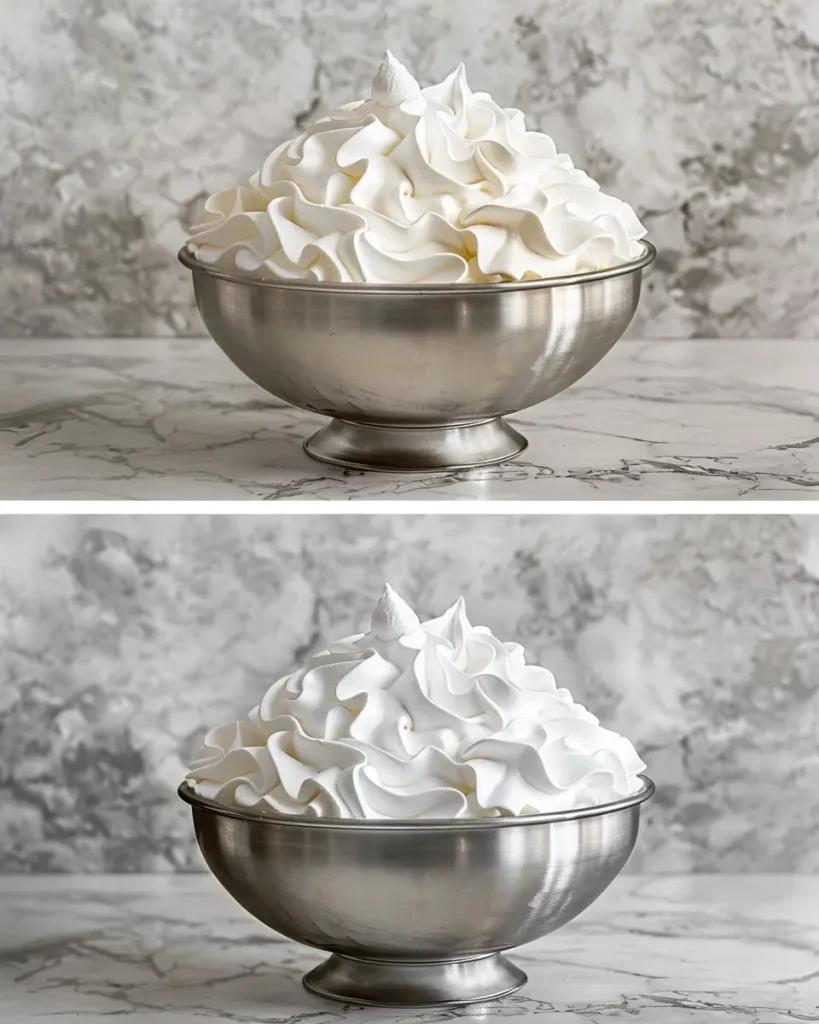
- Soft peaks — the tip curls when the beater is lifted. Provides some lift but collapses easily under added ingredients. Insufficient for most carnivore loaves.
- Stiff peaks — the tip stands straight. Provides maximum lift and structural resistance. Required for significant volume.
- Over-whipped — whites look dry, grainy, or chunky. The foam breaks down into liquid and clumped protein. Cannot be repaired; start over.
Use cream of tartar for stability. Adding ¼ teaspoon per 4 egg whites before beating stabilizes the foam. It lowers the pH of the whites, making protein bonds more resilient and resistant to collapse from heat and folding. This single addition significantly reduces sinking and deflation.
Beat in a clean, dry bowl. Fat residue on the bowl or beaters prevents whites from reaching stiff peaks. Any grease — including fingerprints — can compromise foam. Wipe the bowl with a paper towel dampened with white vinegar before use.
Don’t rush the start. Begin whipping on medium speed to build small, even bubbles. High speed from the start creates large, unstable bubbles that collapse during baking. Move to high speed only once the foam begins to form.
Folding
Fold, never stir. Folding is a deliberate motion: down through the center, along the bottom, and up and over the edge. Stirring cuts through air pockets and collapses the foam you spent time building.
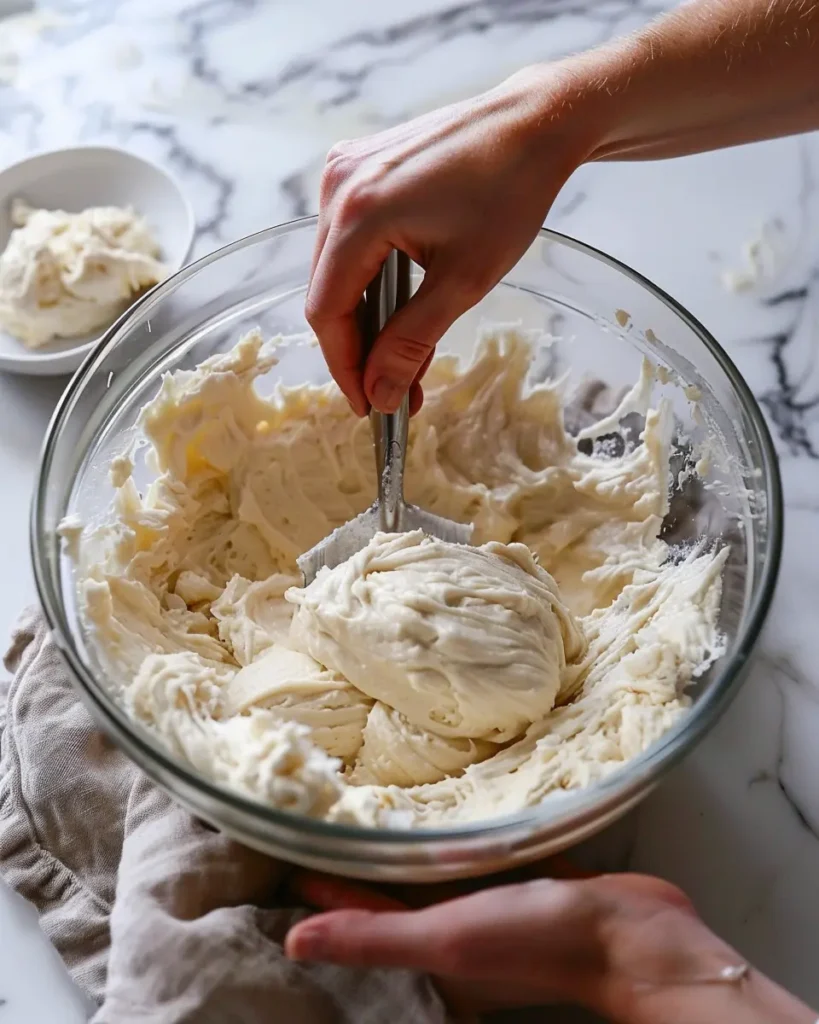
Fold in thirds. Add your yolk mixture or other heavy ingredients in three additions. Each addition is folded gently before the next is added. One large addition pushes air out of the whites too quickly.
Stop when just combined. Small streaks of white in the batter are acceptable — they bake out. Overfold trying to eliminate every streak and you’ve already deflated the loaf.
The 10-fold rule: Count your folds. If you’re past 15–20 folds and still see streaks, something is structurally wrong with the batter (usually a temperature mismatch between whites and added ingredients). Don’t fold further — investigate the cause.
Dough Consistency Tips
Carnivore batter doesn’t behave like conventional dough. There’s no kneading, no gluten window test. Consistency is evaluated entirely through visual and tactile cues.
The ribbon test.
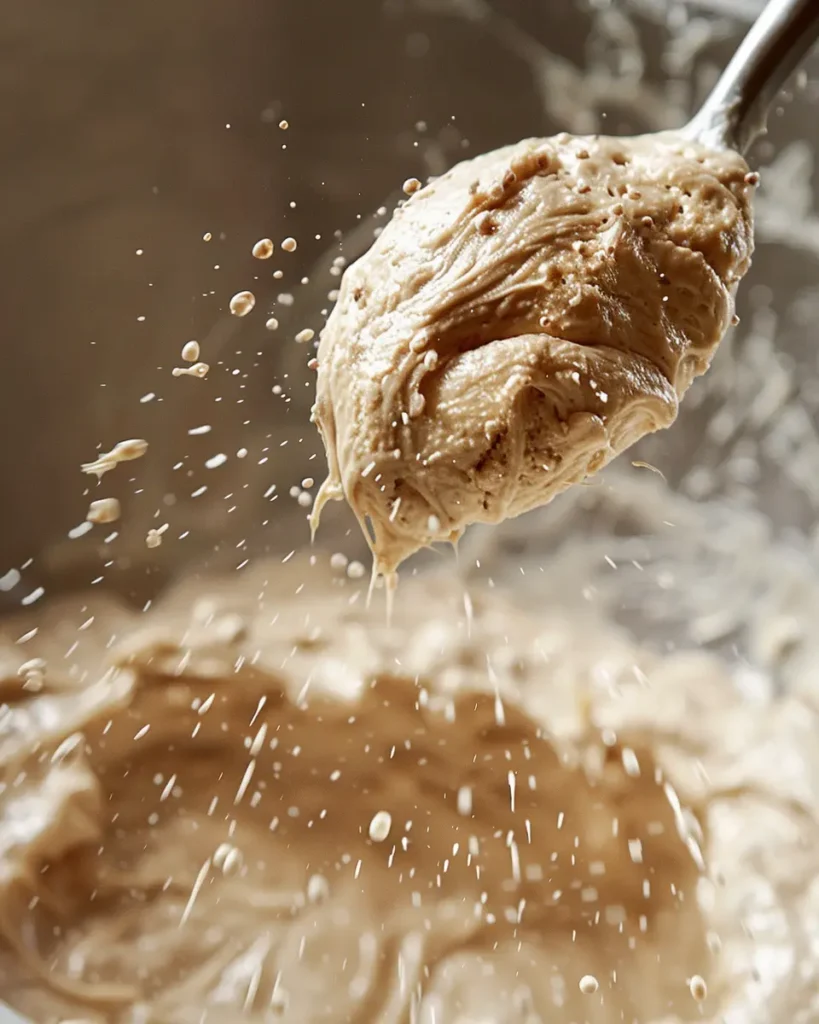
What is the ribbon test in carnivore baking?
The ribbon test checks batter consistency by observing how the batter falls from a spoon. Proper batter should hold a ribbon shape briefly before slowly melting back into the bowl.
Drop a large spoonful of batter back into the bowl. It should hold a visible mound for 3–4 seconds before slowly melting back in. If it disappears instantly, the batter is too thin — expect spread and flatness. If it holds indefinitely, it may be too stiff — expect density.
Thin batter signals: runs off the spoon in a stream, no mound, spreads immediately. Fix by reducing liquid fat or adding an extra white.
Thick batter signals: holds shape firmly, doesn’t spread at all, looks stiff rather than airy. Fix by adding a tablespoon of sour cream or softened cream cheese.
Lumpy batter is usually a temperature problem. Visible fat pockets or lumps in an otherwise mixed batter mean cold fat met warm (or room-temperature) wet ingredients and seized. Bring everything to room temperature and mix again slowly.
A batter that looks smooth can still hide structural imbalance. Smooth appearance doesn’t guarantee even aeration. Always cross-check with the ribbon test — visual smoothness is not a reliable proxy for structural readiness.
Fat separation signal: If you see liquid pooling at the bottom of your batter bowl, fat has broken out of emulsion. This predicts a greasy, uneven crumb. Fix: gently re-fold, or discard and start with room-temperature ingredients.
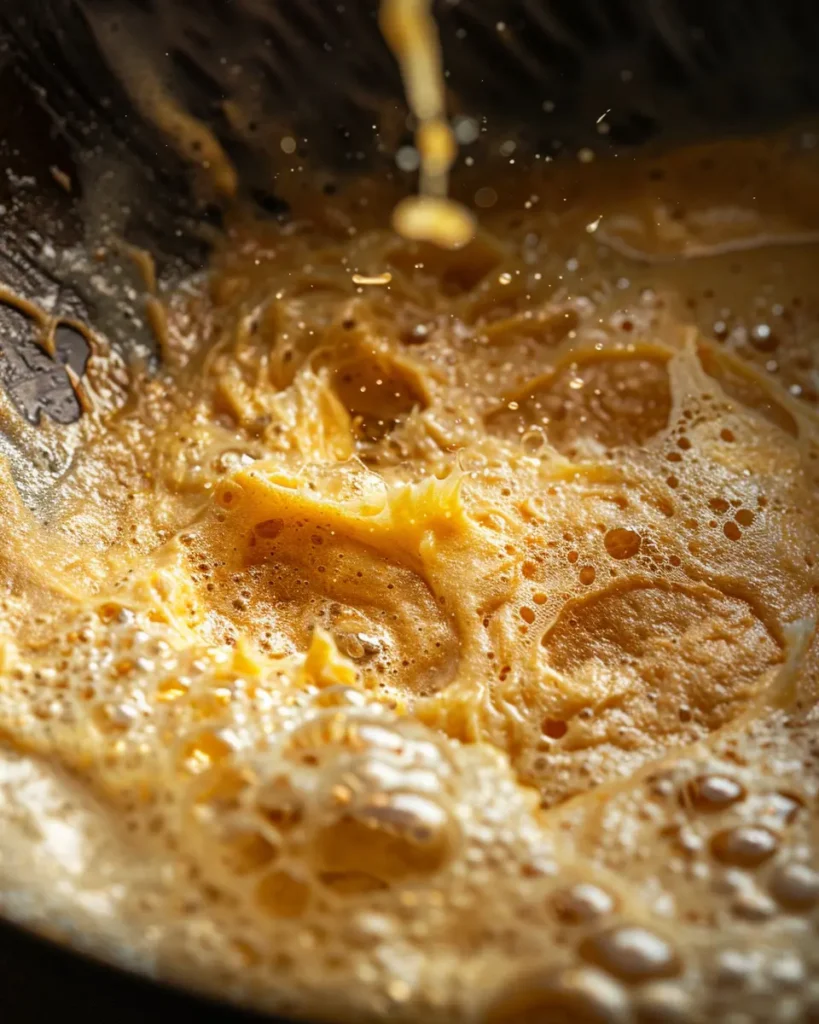
For deeper batter diagnostics, see our carnivore dough consistency guide.
Baking Temperature Secrets
Temperature is where most carnivore bakers lose control without realizing it. Oven dials are often inaccurate, and carnivore batters respond to temperature changes more sharply than conventional ones.
Verify your oven with a thermometer. Consumer ovens commonly run 15–25°F off their displayed temperature. A consistent carnivore bake requires knowing your actual oven temperature — not the dial reading. A basic oven thermometer costs very little and removes an enormous source of variability.
Low and slow beats high and fast.
Why does low-temperature baking improve carnivore bread texture?
Lower baking temperatures allow proteins to set gradually, reducing rapid contraction that causes rubbery or uneven texture.
Carnivore proteins set best with moderate, sustained heat. High temperatures cause rapid protein contraction on the exterior while the interior stays wet — the source of the “done outside, raw inside” failure. A temperature of 300–325°F with extended baking time produces more even, tender results than 375°F for less time.
The two-phase bake. Some carnivore bakers achieve better results with a two-phase approach: start at 325°F for the majority of the bake to set the interior, then increase to 350°F for the final 10 minutes to develop color. This separates interior setting from exterior browning.
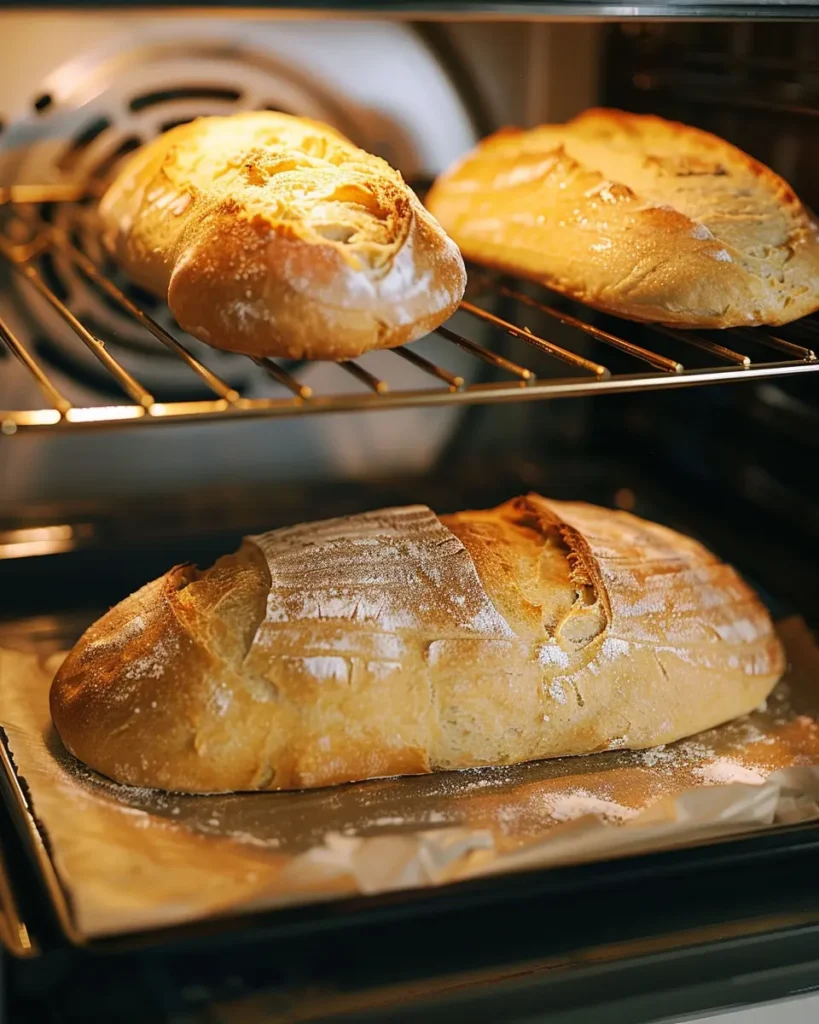
Don’t open the oven before the halfway mark. Every oven door opening drops internal temperature by 25–50°F. In the early phase of baking, before the protein structure is set, this temperature drop can partially collapse the batter. Set a timer, then resist.
Preheat fully — including the pan. If you’re using a cast iron or dark metal pan, place it in the oven during preheating. A cold pan extends the base-baking time and creates uneven heat distribution through the loaf.
Internal temperature is more reliable than color. Carnivore bread is done when the internal temperature reaches 200–205°F. Brown color on the outside does not indicate doneness inside — especially in loaves with high cream cheese or sour cream content, which hold moisture and slow interior cooking.
Moisture and Softness Control
Softness in carnivore bread is engineered, not accidental. It comes from deliberate fat management, moisture retention strategy, and cooling behavior — not from adding more of everything.
Fat softens; fat type matters. Butter produces a tender, slightly rich crumb. Cream cheese adds both fat and moisture. Sour cream contributes acidity (which tenderizes protein) alongside fat. Lard or tallow create a neutral-flavored softness with excellent moisture retention. Use fat types intentionally.
The softness-structure tradeoff. Every increase in fat relative to egg decreases structural firmness. Maximum softness and maximum structure are competing outcomes. Define which matters more for a given bake and build your ratio around that goal.
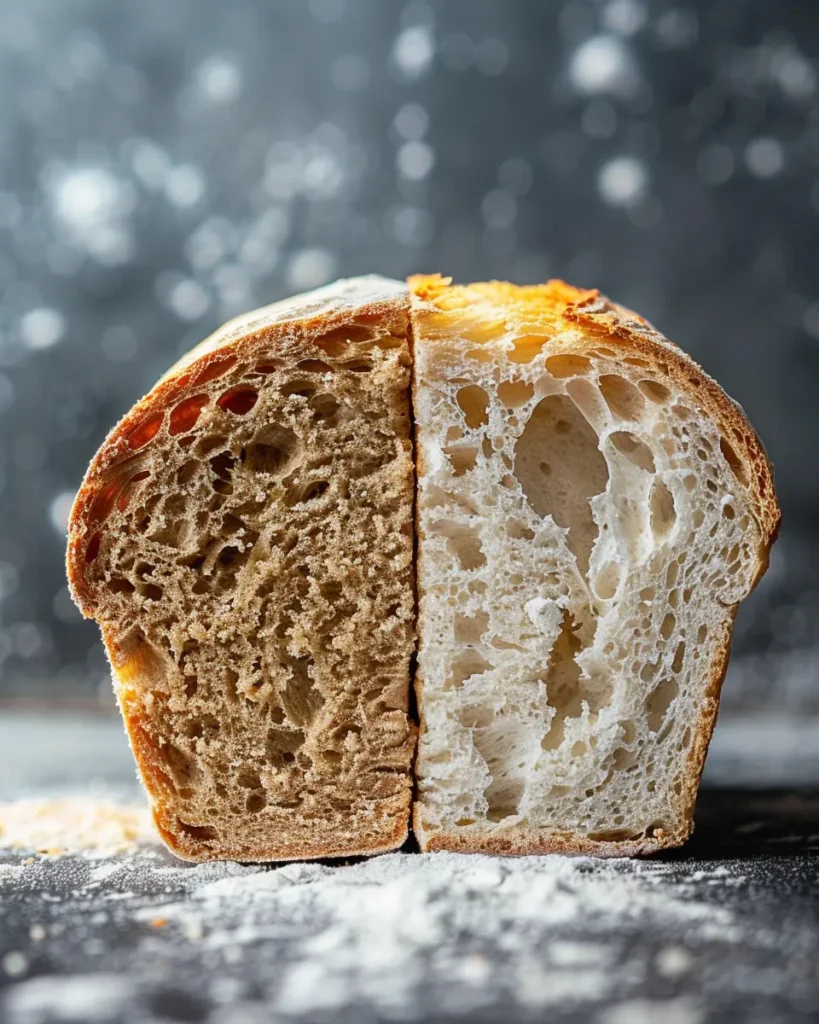
Sour cream is underused in carnivore baking. Its combination of fat, water, and lactic acid makes it one of the most effective softeners in a carnivore baker’s toolkit. The acid gently disrupts protein bonding, producing a more tender crumb without sacrificing cohesion.
Cover during baking to retain moisture. A loose foil tent for the first two-thirds of baking prevents surface moisture from evaporating before the interior sets. Remove the foil for the final phase to allow browning. This is the simplest moisture-retention adjustment available.
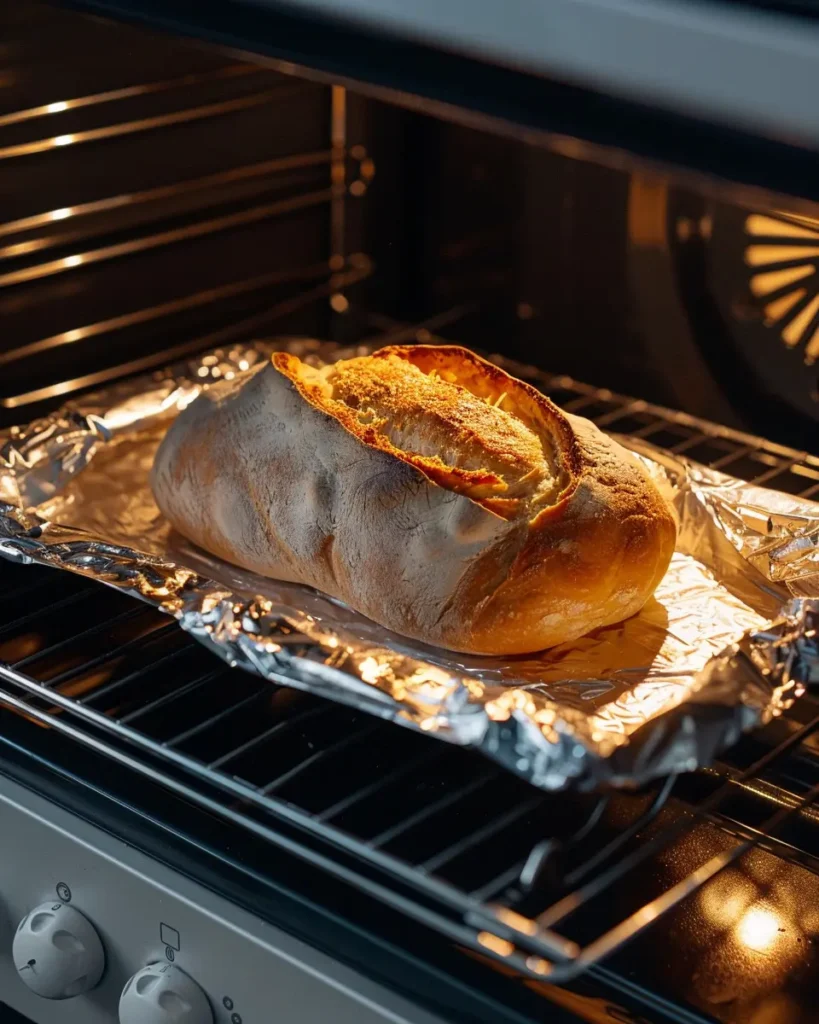
If your goal is a lighter texture, these techniques also improve soft carnivore bread results.
Don’t slice hot. Hot carnivore bread is still in the process of setting. The interior continues to firm and moisture redistributes as it cools. Cutting too early releases trapped steam, creates a gummy or wet texture at the cut surface, and causes crumbling. Wait at least 20 minutes — longer for larger loaves.
Store correctly to preserve softness. Carnivore bread dries faster than conventional bread. Store fully cooled loaves wrapped tightly in parchment and then placed in an airtight container. Refrigerate, and bring slices to room temperature or toast lightly before eating.
Common Mistakes to Avoid ❌
❌ Adding fat to cold eggs. Cold fat and cold eggs don’t emulsify — they sit in separate pockets and produce a crumbly, uneven crumb. Always bring both to room temperature before combining.
❌ Beating whites to soft peaks and calling it done. Soft peaks collapse under the weight of added ingredients. They produce some lift but not enough to hold structure. Go to stiff peaks for carnivore loaves that need real volume.
❌ Using a pan that’s too large. More pan area means more spread. A batter designed for a standard loaf pan produces a flat result in a large baking dish. Match pan size to recipe yield.
Many texture issues become easier to diagnose once you understand these common carnivore baking mistakes.
❌ Changing multiple variables at once. If bread is dense AND wet AND flat, the instinct is to fix everything simultaneously. This makes the next bake undiagnosable. Fix one thing, test, then move to the next.
❌ Relying on color to judge doneness. Carnivore breads brown early due to egg protein and fat content. A golden crust can form 10 minutes before the interior is cooked. Always use a thermometer or toothpick.
❌ Overmixing after adding fat. Once fat is added to a foam-based batter, mixing time is your enemy. Every additional stir compresses the air you worked to introduce. Stop as soon as ingredients are combined.
❌ Ignoring the cool-down phase. Carnivore bread that sank, crumbled, or stayed wet is often blamed on the recipe — but the cooling phase is frequently responsible. Cutting hot, storing warm, or skipping the rest period all affect final texture.
Pro Baker Tips 🔥
Tip 1 — Stabilize with vinegar. A few drops of white vinegar added to egg whites before whipping has a similar stabilizing effect to cream of tartar. It lowers pH and strengthens protein bonds. Use when cream of tartar isn’t available.
Tip 2 — Pre-warm your mixing bowl. Cold bowls chill ingredients on contact. Fill your mixing bowl with warm water for 60 seconds, then dry it before adding whites. This keeps the whites at a stable temperature throughout whipping and supports better foam structure.
Tip 3 — Use a kitchen scale. Egg size varies significantly. Two “large” eggs from different suppliers can differ by 10–15g. Weighing eggs rather than counting them removes a major source of batch-to-batch inconsistency. Aim for approximately 50g per egg (without shell) for standard recipes.
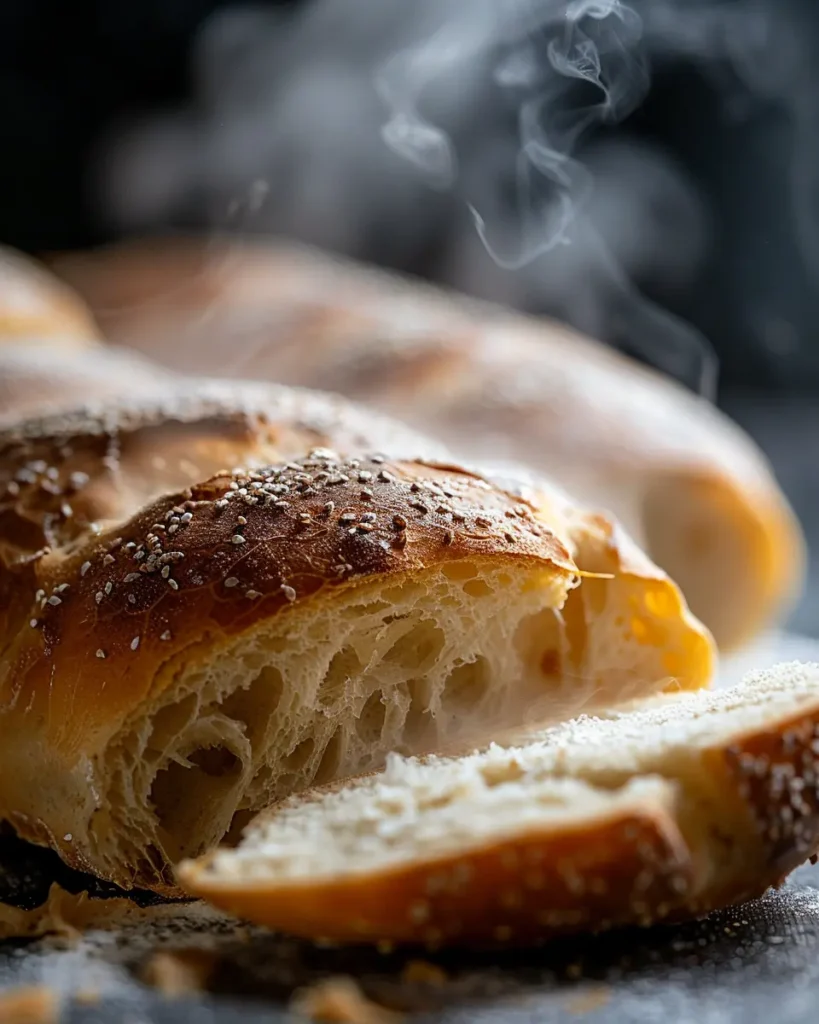
Tip 4 — Test baking powder every time. Drop ½ teaspoon into hot water. Active baking powder bubbles immediately and vigorously. Slow or weak bubbling means it’s partially expired — your leavening is underperforming without your knowledge.
Tip 5 — Rest the batter briefly. After folding, a 3–5 minute rest allows air bubbles to equalize throughout the batter. Large, uneven bubbles rise to the surface and can be gently tapped out. This produces a more even crumb than going straight from bowl to oven.
Tip 6 — Score the surface. A shallow cut across the top of an uncooked carnivore loaf with a wet knife allows controlled expansion. Without it, the loaf may crack irregularly as it rises, or rise unevenly to one side.
Tip 7 — Bake on the lower-middle rack. The bottom of the oven radiates the most heat. A loaf on the lowest rack can brown and set on the bottom while the top remains underdone. Lower-middle rack provides balanced heat from both directions.
Tip 8 — The two-spoon test. Before committing your full batch to the pan, drop a spoonful of batter onto a small piece of parchment and bake it for 8 minutes. This mini-test reveals spread, texture, and color behavior without risking the entire loaf. Adjust the main batter based on what the test shows.
FAQ
Why does my carnivore bread taste eggy?
An overpowering egg flavor usually means the bread is slightly undercooked (raw egg proteins carry stronger flavor) or that the fat ratio is too low. Fat dilutes egg flavor. Adding butter or cream cheese reduces egginess while also improving texture.
Can I make carnivore bread without whipping egg whites?
Yes, but the result will be denser and flatter. Whole-egg batters produce a valid result — closer to a dense quick bread than a fluffy loaf. If you skip whipping, reduce baking temperature by 15°F and extend time slightly to account for the denser batter.
How do I get a brown crust on carnivore bread?
Fat content and baking temperature both drive browning. A brush of melted butter or egg wash on the surface before baking promotes color. Removing the foil tent for the final 10–12 minutes of baking also allows the surface to dry and brown. If the interior is done but the crust is pale, a 2–3 minute broil (watching closely) adds color quickly.
Why does my bread collapse after baking?
Collapse after baking is almost always caused by one of three things: the interior wasn’t fully set when removed from the oven, the egg white foam wasn’t stiff enough to hold expansion, or the batter had insufficient protein relative to the leavening used. See the Structure Before Heat principle — structure must exist in the batter before heat sets it.
Can I substitute anything for eggs?
In carnivore baking specifically, eggs are not replaceable without moving outside the dietary framework. No animal-based ingredient replicates the dual function of egg whites (foam, structure) and yolks (emulsification, fat, richness) simultaneously. Adjusting egg ratios is a technique — replacing eggs is a different recipe.
Does fat type change texture significantly?
Yes. Butter contributes flavor and a moderately tender crumb. Cream cheese adds density and moisture. Sour cream adds tenderness through acidity. Tallow and lard produce a neutral-flavored, slightly waxy crumb with good moisture retention. Mixing fat types often produces more nuanced texture than using a single fat source alone.
Final Expert Advice
Carnivore baking mastery comes down to one skill above all others: reading signals before problems become failures. The ribbon test, the whip check, the batter temperature feel — these are faster and more reliable than any timer or recipe instruction.
For detailed solutions to dense, wet, flat or rubbery texture problems, visit our complete guide on how to fix carnivore bread.
Every batch teaches something. A flat loaf reveals a batter that was too thin. A rubbery loaf reveals a fat deficit. A sunken loaf reveals an underbaked interior. Treat each failure as diagnostic data, not a reason to change the recipe entirely.
The bakers who consistently produce soft, well-structured carnivore bread aren’t using different ingredients. They’ve learned to control the variables that most people treat as fixed — egg temperature, whip stage, fold count, oven accuracy, cooling time. These are learnable, repeatable skills.
Control the process, and the texture controls itself.
Related reading: Carnivore baking mistakes · Carnivore dough consistency guide · Carnivore baking science · How to make soft carnivore bread · How to fix carnivore bread
At Looksyumy, we’re proud to share recipes that bring people together around the table, creating moments worth remembering with nothing more than three simple ingredients. These carnivore burger buns are just the beginning of what’s possible when you embrace the power of simplicity in the kitchen.
For more updates, follow us on instagram.