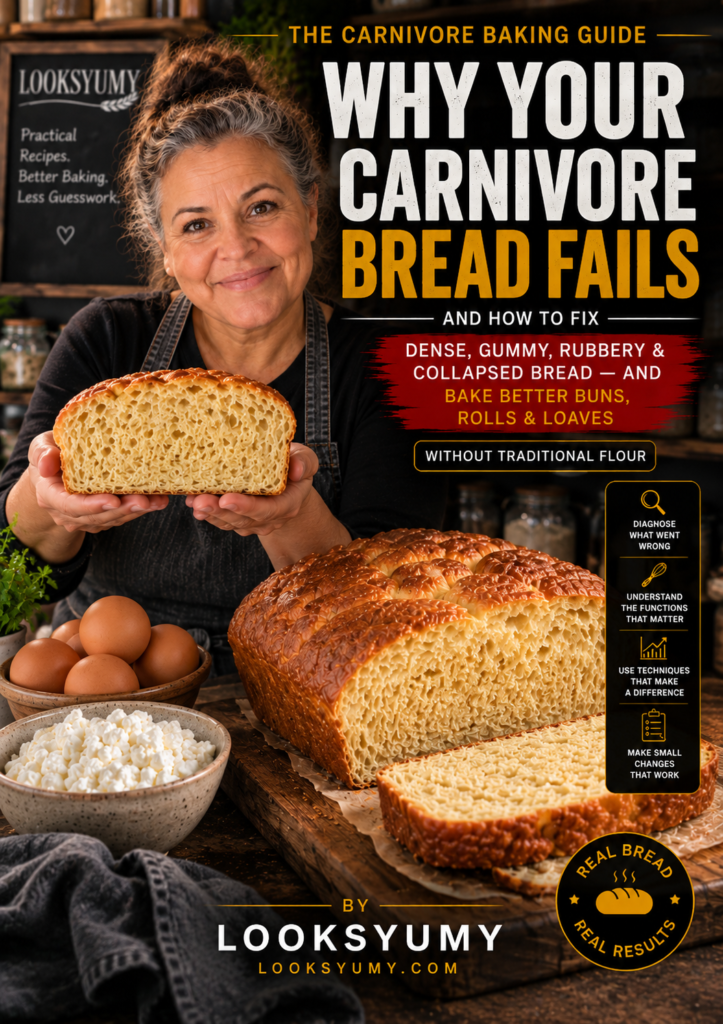
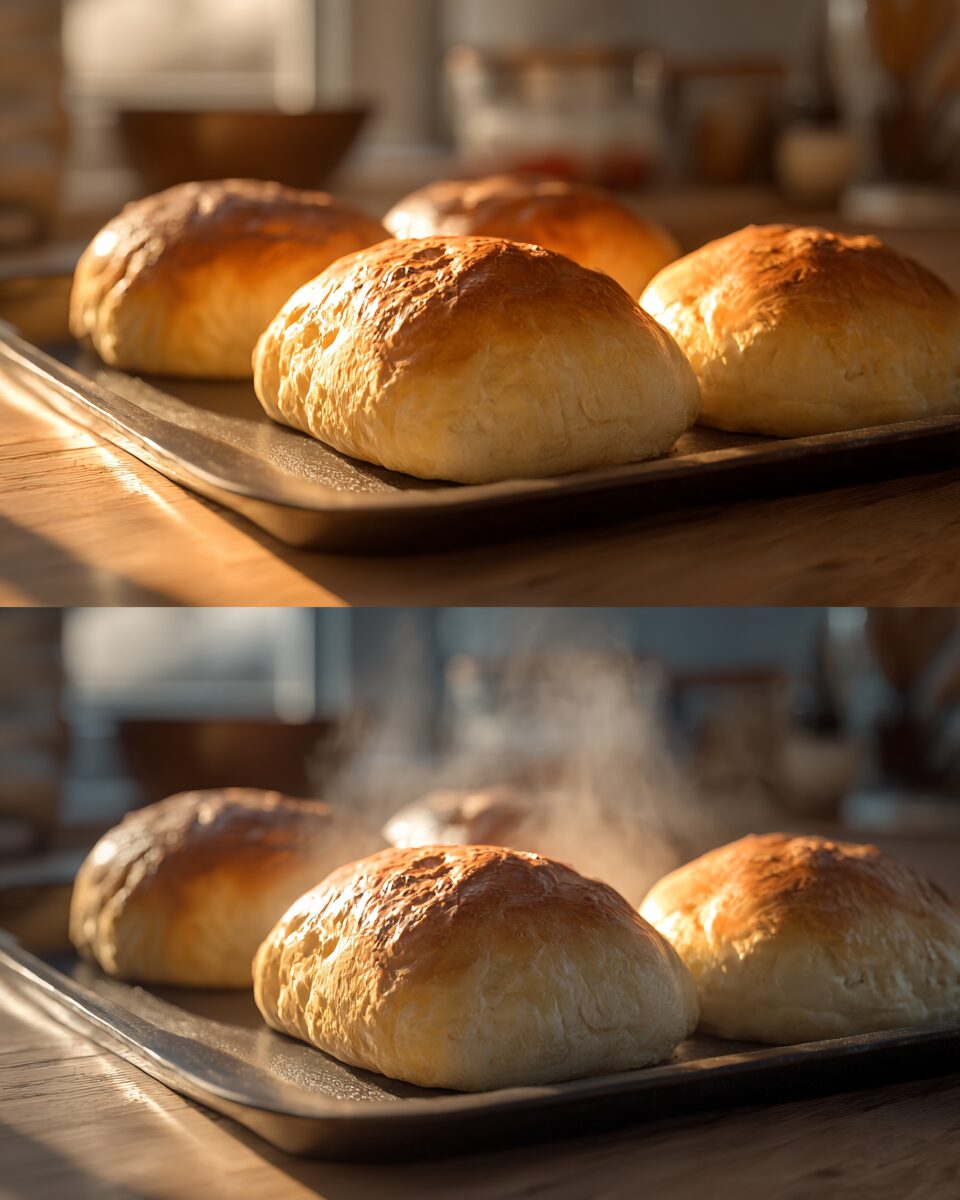
The Real Reason Carnivore Baking Fails: The most common carnivore baking mistakes are using too much egg white, skipping batter rest time, getting the fat ratio wrong, and baking at too high a temperature. These cause flat buns, dense bread, and rubbery textures. Fix them by adjusting fat levels, resting your batter, and lowering the oven — and results improve immediately.
If you’ve ever pulled a loaf out of the oven only to find it flat, dense, or rubbery, you’re not alone. Carnivore baking mistakes are frustrating because the rules are completely different from conventional baking. Without flour, gluten, or starch, every ingredient plays a precise role. One small misstep and your carnivore bread becomes a dense brick.
If your results are inconsistent, it helps to understand the root causes behind issues like why carnivore buns are flat or why your bread turns out dense.
This guide breaks down the top mistakes, explains why they happen, and gives you the fixes. Whether your buns are flat, your bread is dense, or you just can’t seem to fix your bread texture — the answer is here.
Table of Contents
Table of Contents
What are the most common carnivore baking mistakes?
- Too much egg white
- Not enough fat
- No rest time
- Oven too hot
- Overmixing batter
Fixing these immediately improves texture and structure.
What Is Carnivore Baking?
Carnivore baking means creating bread, buns, and other baked goods using only animal-derived ingredients — eggs, butter, tallow, cream cheese, and meat proteins. Zero plant flours, zero starches, zero carbohydrates. Glycemic index of 0.
Unlike keto baking which often uses almond or coconut flour, strict carnivore baking relies entirely on eggs for structure and fat for moisture. That’s what makes the margin for error so tight.
Top Carnivore Baking Mistakes — Causes & Fixes Table
| Mistake | What Goes Wrong | Fix |
|---|---|---|
| Too much egg white | Rubbery, wet crumb | Reduce whites; add 1 tsp apple cider vinegar |
| Skipping rest time | Flat, dense buns | Rest batter 5–10 min before baking |
| Wrong fat ratio | Dry, crumbly texture | Aim for 3:1 fat-to-protein ratio |
| Oven too hot | Burnt crust, raw center | Lower to 325°F / 165°C; use foil tent |
| Overmixing batter | Tough, chewy result | Fold gently; stop when just combined |
| No leavening agent | Buns completely flat | Use cream of tartar + baking soda (4:1) |
| Cold ingredients | Uneven rise, poor bind | Bring eggs & cream cheese to room temp |
| Wrong pan size | Dense, raw center | Smaller pan; fill max ⅔ full |
Mistake-by-Mistake Breakdown
1. Too much egg white → rubbery texture Egg whites are mostly protein and water. In excess, they tighten the crumb into something rubbery rather than bread-like. Reduce whites, use more whole eggs, or add apple cider vinegar to relax the protein structure.
2. Skipping rest time → flat buns Rest time lets proteins hydrate and leavening agents activate before heat sets the structure. Skip it and the batter hits the oven before it’s ready to rise. Five to ten minutes makes a visible difference.
3. Wrong fat ratio → dry, crumbly bread Fat is the only moisture source in carnivore baking. Too little and everything crumbles. Target 3 parts fat to 1 part protein by weight. If your bread is dense and falls apart, increase fat before changing anything else.
4. Oven too hot → burnt outside, raw inside Without starch to buffer heat, high temperatures set the crust before the center cooks. Stay between 300–325°F (150–165°C). Tent with foil if browning too fast.
5. Overmixing → tough, chewy result Overmixing develops protein bonds that toughen during baking. If you’ve whipped egg whites, rough folding deflates all the air you created. Fold gently and stop early.
From a food science perspective, egg proteins naturally tighten and bond together when exposed to excessive heat or overmixing. Once the protein network becomes too compact, moisture is pushed out of the structure, creating the dense or rubbery texture common in failed carnivore bakes — a reaction explained by protein denaturation.
6. No leavening → completely flat bread Without yeast feeding on sugars, you need a chemical reaction for lift. Cream of tartar (4 parts) with baking soda (1 part) is the most reliable option. Whipped egg whites add mechanical leavening on top.
7. Cold ingredients → uneven rise Cold eggs and cream cheese don’t emulsify properly. The batter turns lumpy, proteins don’t bind evenly, and the loaf rises inconsistently. Thirty minutes on the counter is enough.
8. Wrong pan size → dense center A pan that’s too large spreads batter too thin. A pan that’s too deep concentrates mass that won’t cook through. Use a smaller pan and fill it no more than two-thirds full.
Many of these problems are directly related to common issues explained in detail in our guide on why carnivore bread is dense and how to fix it.
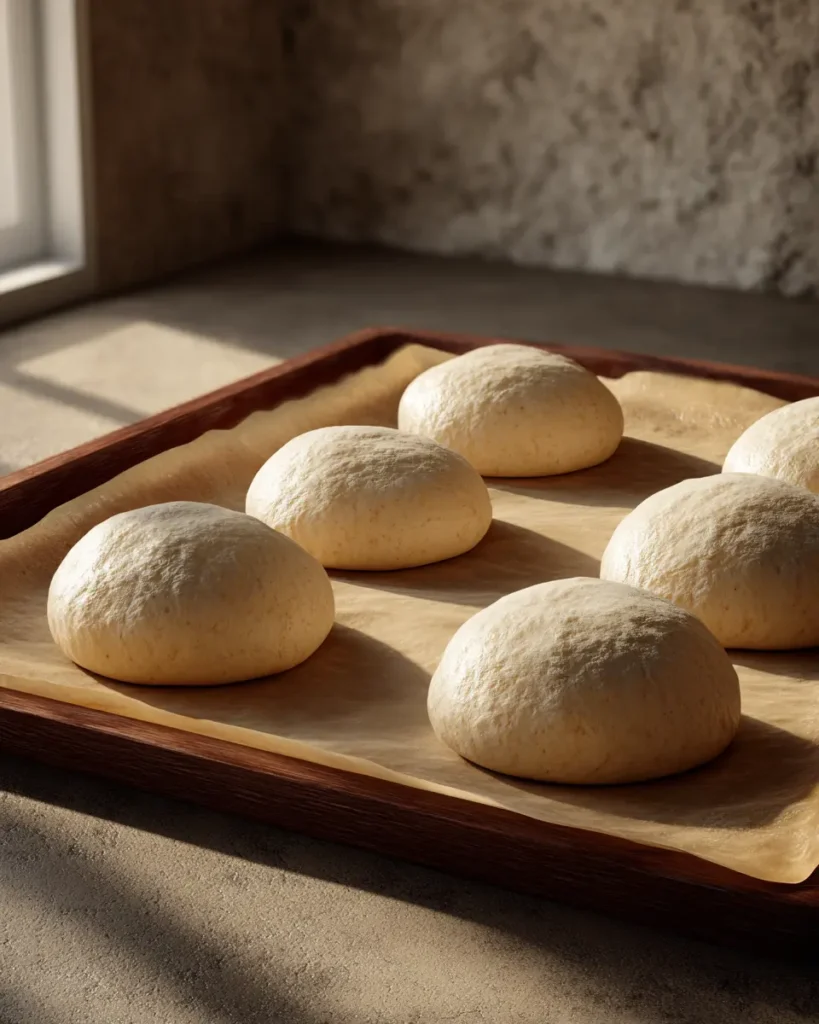
Expert Tips for Better Results
- Whip whites separately. Whip egg whites to soft peaks before folding in. This is mechanical leavening that meaningfully improves texture.
- Use a kitchen scale. Volume measurements are imprecise. Weight-based ratios ensure consistent fat-to-protein balance every time.
- Bake low and slow. 300–325°F with a longer bake time produces more even results than higher heat.
- Add a splash of acid. Apple cider vinegar or cream of tartar tenderizes proteins and helps leavening fire correctly.
- Cool completely before slicing. Carnivore bread continues to set as it cools. Cutting early causes collapse.
- Line your pans. Without starch, carnivore baked goods stick aggressively. Always use parchment paper.
- Keep a baking journal. Note your weights, rest times, temperature, and duration. When something works, replicate it exactly.
If you’re trying to correct these issues step by step, you can follow a complete method on how to fix carnivore bread for more consistent results.
Recipe Variants
Sandwich buns — Use whipped egg whites and bake in individual ramekins for a consistent dome. Flat buns almost always mean no rest time and no leavening.
Bread loaf — Dense carnivore bread is nearly always a fat or pan-size issue. Use room-temperature eggs, increase butter, and switch to a smaller loaf pan (8×4 inches max).
Pancakes — Blend eggs and cream cheese until smooth, cook low and slow in butter. High heat burns carnivore pancakes far faster than wheat versions.
Crackers — Roll thin, bake at 275°F until fully dry. They crisp as they cool, not in the oven — pulling them early is the most common mistake.
Celebration cake — Egg-based sponge with cream cheese frosting. Avoid overmixing to keep layers light.
Nutritional Values (Per Average Slice)
| Calories | ~180 kcal |
| Protein | ~10g |
| Fat | ~15g |
| Carbohydrates | 0g |
| Sugar | 0g |
| Glycemic Index | 0 |
Values vary by recipe. Calculate with your exact ingredients using a nutrition tracker.

8 Carnivore Baking Mistakes That Ruin Your Bread
- Prep Time: 10 minutes
- Cook Time: 30 minutes
- Total Time: 40 minutes
- Yield: 6 slices 1x
- Category: Carnivore Bread
- Method: Baked
- Cuisine: Gluten Free, Low Carb
- Diet: Low Calorie
Description
Simple carnivore bread batter designed to demonstrate the ideal dough consistency for fluffy and stable low-carb baking.
Ingredients
4 large eggs
100g cream cheese
30g melted butter
1/4 tsp salt
1/4 tsp cream of tartar
Instructions
Preheat oven to 160°C
Separate eggs and whip whites until soft peaks form
Mix yolks with cream cheese and butter
Fold gently with whipped whites
Batter should flow slowly from a spoon
Bake for 25–30 minutes
Cool before slicing
Notes
Correct batter consistency should look thick but slightly pourable. Avoid overmixing.
Nutrition
- Serving Size: 1 slice
- Calories: 105
- Sugar: 0g
- Sodium: 160mg
- Fat: 8g
- Saturated Fat: 4g
- Unsaturated Fat: 3g
- Trans Fat: 0g
- Carbohydrates: <1g
- Fiber: 0g
- Protein: 7g
- Cholesterol: 145mg
FAQ
Why does my carnivore bread come out dense every time?
Almost always a fat, temperature, or rest-time issue. Increase your fat ratio, bring ingredients to room temperature, rest the batter 5–10 minutes, and lower oven temperature to 325°F. Also check that your leavening agents are fresh.
Why are my carnivore buns flat?
Flat buns usually mean no whipped egg whites, no rest time, or expired leavening. Whip whites to soft peaks, fold gently, rest the batter, and bake in smaller, deeper molds.
Why does my carnivore bread collapse after baking?
Usually caused by opening the oven too early, underbaking, or overmixing. Bake until a toothpick comes out clean and let bread cool completely in the pan before removing.
Conclusion
Carnivore baking mistakes are part of the learning curve — but every one of them is fixable. Dense bread usually means not enough fat or the wrong pan size. Flat buns almost always mean no whipped whites and no rest time. Rubbery texture points to too much egg white or overmixing.
Use the table above as your quick reference, bake at a lower temperature than you think you need, and always let bread cool before slicing. The results improve quickly once the fundamentals are right.