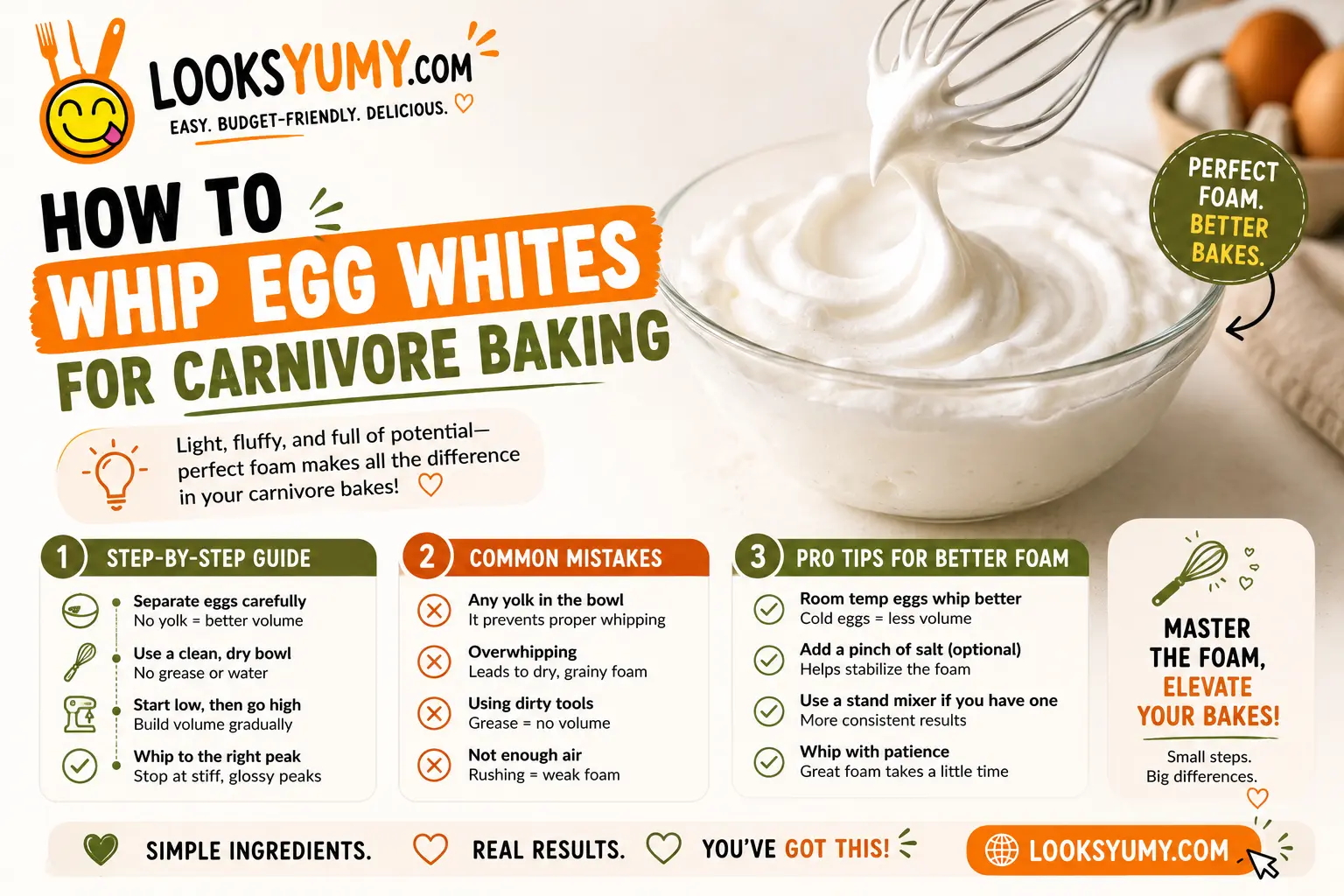
Whipping egg whites sounds simple until your foam collapses mid-fold, your bake comes out dense, or your peaks look perfect in the bowl and dissolve in the oven. In carnivore baking, where there is no flour, no starch, and no conventional stabilizer to compensate for structural errors, correctly whipped egg whites are not just one component of the recipe — they are the entire architecture of it. Get the foam right, and the bake rises, holds, and delivers that airy, fluffy texture that makes carnivore bread genuinely satisfying. Get it wrong, and no other technique adjustment will save you. For carnivore baking, properly whipped egg whites should reach stiff glossy peaks with stable foam structure strong enough to survive folding and oven heat without collapsing.
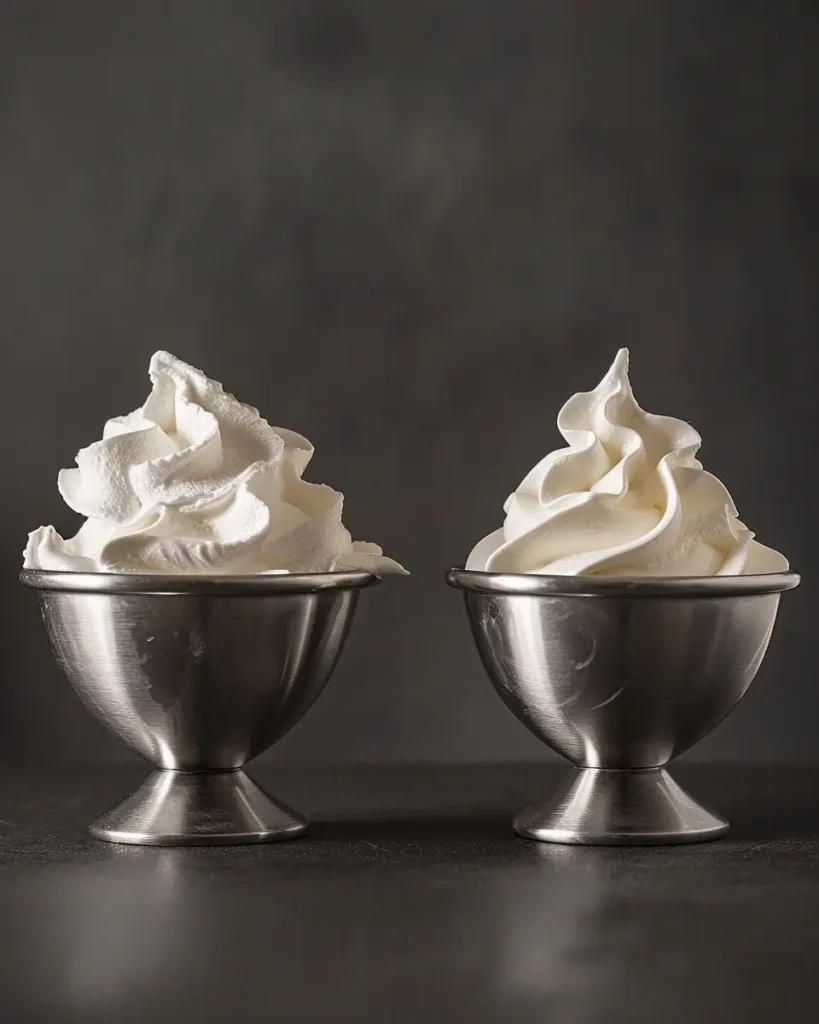
The good news is that egg white foam failure is almost always caused by one of a small set of diagnosable errors, all of which are preventable once you understand what the foam is actually doing at a structural level. Many consistency issues become easier to solve once you understand these carnivore baking tips and apply them before you ever crack an egg.
Table of Contents
Table of Contents
What Are Stiff Peaks — And Why the Distinction Matters
| Peak Stage | Appearance | Structural Stability |
|---|---|---|
| Soft peaks | Drooping tip | Weak |
| Medium peaks | Curved tip | Moderate |
| Stiff peaks | Upright glossy peak | High |
| Overwhipped foam | Grainy and dry | Collapsing |
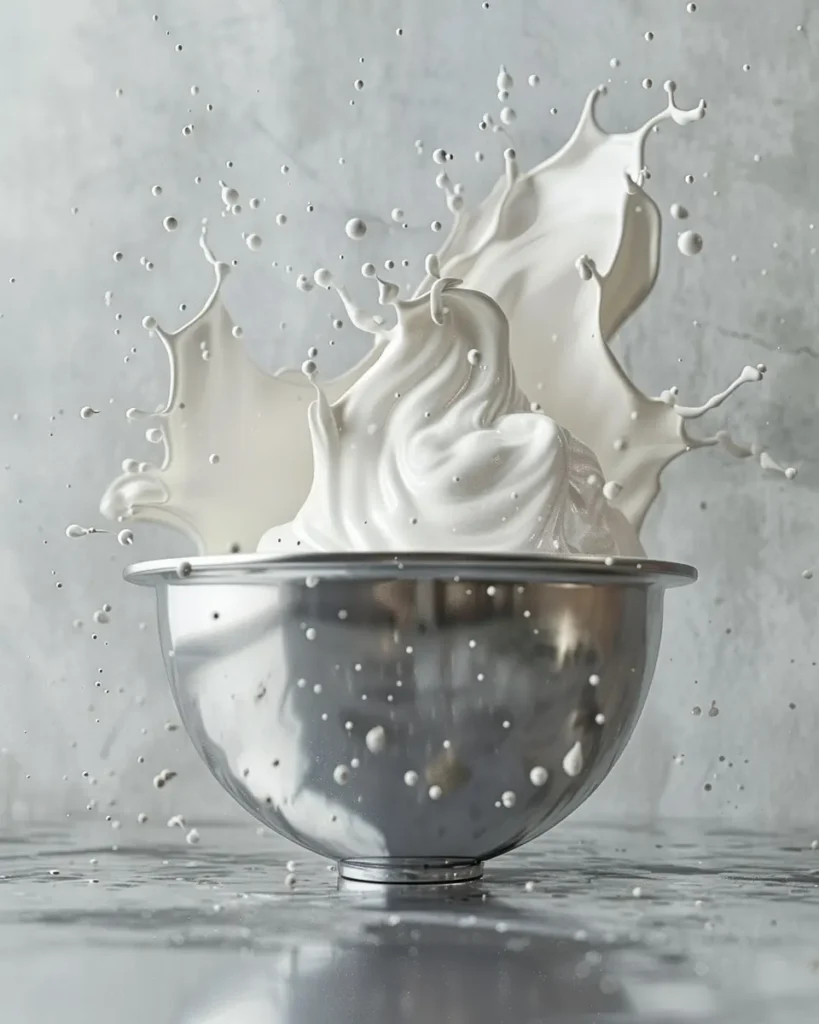
Most whipping guides treat soft, medium, and stiff peaks as a simple visual progression. In practice, they represent three fundamentally different structural states, and using the wrong one for carnivore baking produces predictable failure.
Soft peaks form first. At this stage, the foam holds a shape briefly when you lift the whisk but the tip folds over and droops immediately. The protein network is forming but not yet continuous — the bubble walls are thick, fluid, and prone to drainage. Folding soft peaks into a heavy carnivore batter almost always results in collapse because the foam cannot bear the weight of the surrounding mixture. The bubbles merge, gas escapes, and the batter densifies before it ever reaches the oven.
Medium peaks hold their shape longer and the tip curls rather than fully droops. The foam is firmer and more workable, but the protein network still has gaps — places where the bond between strands is incomplete. For light applications this may be acceptable, but for carnivore bread and buns where the foam provides all leavening and structure, medium peaks leave too much margin for error under heat stress.
Stiff peaks are the target for carnivore baking. What do stiff peaks look like? Proper stiff peaks stand upright without drooping and maintain a glossy smooth texture without graininess. When you lift the whisk, the foam holds a sharp, upright peak with no drooping and no curl. The texture is glossy and smooth — not dry, not grainy. If you tilt or invert the bowl, the foam stays in place. This is the Foam Stability Zone: the point at which the protein network is dense enough to trap air reliably, resist drainage, and survive both the mechanical stress of folding and the thermal stress of the oven.
The visual indicators that tell you stiff peaks have been reached are specific. The foam’s surface transitions from a wet, shining appearance to a satin gloss — still slightly luminous but no longer liquid-looking. The mass pulls away from the sides of the bowl cleanly. When the mixer is running, the foam holds distinct ridges and trails. The moment the texture begins to look grainy, matte, or clumpy, you have crossed the Whipping Collapse Point — the threshold where overwhipping begins to break down the very network you built.
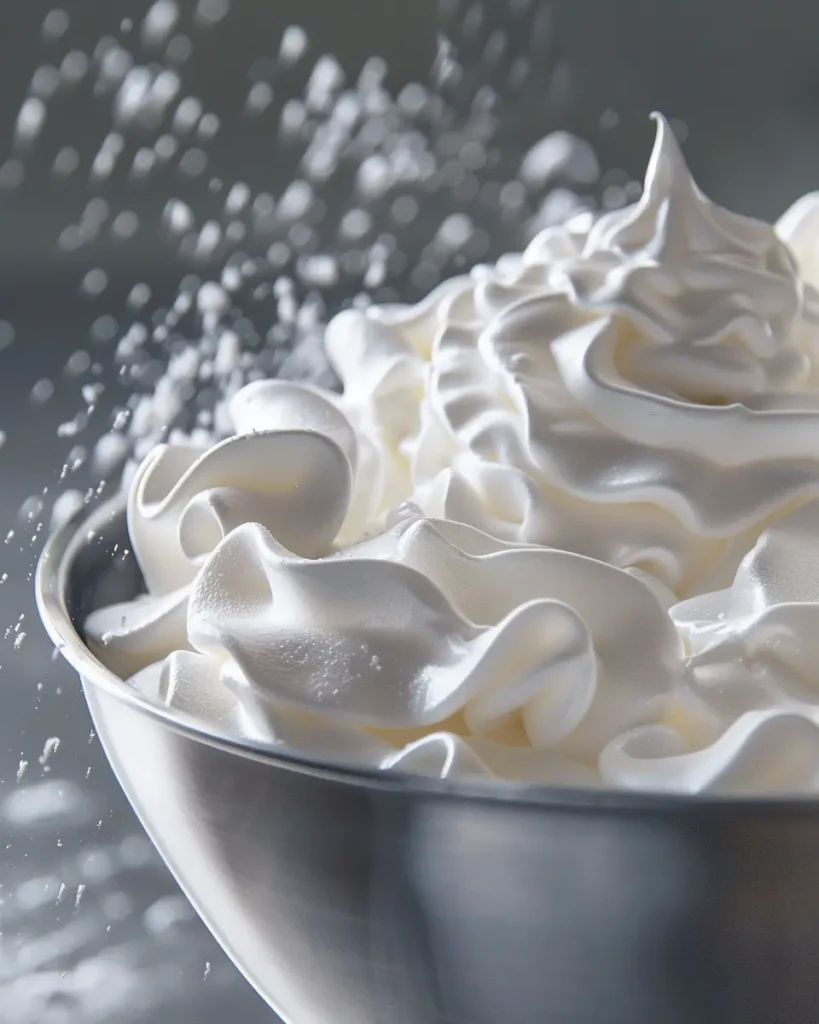
Step-by-Step Guide to Whipping Egg Whites
Start with temperature. Egg whites whip best at room temperature because warmer proteins are more extensible — they unfold more readily and incorporate air more efficiently. Cold whites from the refrigerator whip more slowly, require more mechanical energy, and produce a less stable foam structure. Set your eggs out for 20 to 30 minutes before separating. Separate them cold — the yolk membrane is firmer and less likely to rupture — but bring the whites to room temperature before whipping.
Prepare the bowl with precision. This step is not optional. Any fat residue on the bowl or whisk surface — including invisible traces left by previous use — will interfere with protein bonding and produce a foam that peaks visually but collapses under structural load. Wipe the bowl and whisk with a paper towel dampened with white vinegar or lemon juice, then rinse and dry completely. In carnivore baking, where cream of tartar and other non-animal stabilizers are excluded entirely, this defatting step is your primary structural insurance.
Begin at low speed. This is where most home bakers lose foam quality before they realize it. Starting at high speed forces large, uneven bubbles into the whites too rapidly — the Protein Expansion Effect happens faster than the network can organize itself, producing a foam that looks voluminous but is structurally coarse. Beginning at low speed — roughly two minutes at the lowest mixer setting — allows smaller, more uniform bubbles to form, which means thinner, stronger bubble walls and a more consistent foam density throughout.
Increase speed gradually through three phases. Move from low to medium after the whites have become frothy and opaque throughout, with no transparent liquid remaining at the bottom. At medium speed, the foam builds volume and begins to hold shape. This is where you’ll pass through soft peaks and approach medium peaks. Watch the texture closely rather than relying solely on timing — different eggs, different temperatures, and different mixer power levels all affect how quickly the foam progresses. When the foam holds soft peaks consistently, increase to medium-high and continue until stiff, glossy peaks form.
Stop at the right moment. The final transition from stiff peaks to overwhipping takes less time than most people expect, particularly with a stand mixer. Once the foam holds stiff peaks cleanly, turn off the mixer. Do not continue beating “just a little more” to be safe — that instinct is the most common cause of overwhipped foam. Overwhipped foam becomes dry and grainy The structural changes that happen when egg proteins denature and tighten under mechanical stress and heat have also been documented extensively in food science research. How do you know egg whites are overwhipped? Overwhipped egg whites look dry, clumpy, grainy, and may begin leaking liquid at the bottom of the bowl. because the protein network tightens faster than moisture can redistribute, squeezing liquid out of the structure and breaking the bonds that held air in place.
Choose the right tool for your volume. A stand mixer is the most consistent tool for larger batches — it maintains constant speed and requires no physical effort, which matters when timing precision is critical. A hand mixer offers more control and is easier to stop quickly, which reduces overwhipping risk for smaller batches. A balloon whisk works but requires significant effort and is better suited to very small quantities. Regardless of tool, the same principle applies: gradual speed progression and observation over timing.
Common Egg White Whipping Mistakes
Whipping too fast from the start produces large, uneven bubbles and an unstable Air Retention Pattern. The foam rises quickly and looks impressive, but the coarse bubble structure drains faster under gravity and collapses sooner under heat. When I whipped egg whites too aggressively from the beginning, the foam expanded quickly but lost stability within minutes, creating visible unevenness instead of the tight, uniform structure that holds through folding and baking.
Underwhipping is the quieter failure — the foam looks close to done, the baker proceeds, and the collapse happens during folding or baking rather than visibly in the bowl. Soft and medium peaks simply do not have enough Peak Structure Balance to carry the weight of a carnivore batter without deflating. Always verify stiff peaks with the bowl-tilt test before folding.
A greasy bowl is the most invisible mistake. Can a greasy bowl ruin whipped egg whites? Yes. Even invisible fat residue prevents proper protein bonding and destabilizes the foam structure. Because the fat residue is undetectable by sight, bakers often attribute the resulting foam failure to other causes. The diagnostic sign is a foam that whips slowly, never quite reaches firm stiff peaks, and begins weeping liquid within minutes of stopping the mixer. Plastic bowls should be avoided entirely — the microscopic porosity of plastic retains fat even after thorough washing.
Yolk contamination immediately compromises foam formation. A single drop of yolk introduces enough lipid to disrupt protein bonding across the entire batch. If a yolk breaks during separation, discard those whites and use a fresh egg. There is no technique adjustment that recovers a yolk-contaminated foam.
Resting whipped whites is another underappreciated mistake. Even properly whipped foam begins to drain and deflate if left standing. Fold and bake immediately. Any delay — even five to ten minutes — allows gravity to begin collapsing the bubble structure from within. For a deeper analysis of what happens during that window, the egg white collapse guide covers the physics in detail.
Pro Tips for Better Foam Structure
Bowl material changes your outcome. Copper bowls react mildly with egg white proteins, producing a marginally finer and more stable foam with a slightly extended overwhipping window. Stainless steel is the most practical high-performance alternative. Glass and ceramic are acceptable when perfectly clean. Plastic is the only material that should be actively avoided for the reasons described above.
Humidity is a real factor that most guides ignore. On high-humidity days, egg white foam absorbs ambient moisture, which weakens bubble walls and accelerates drainage. The foam may appear to reach stiff peaks normally but will deflate more quickly after stopping. In high-humidity conditions, work quickly once stiff peaks are reached, fold with minimum strokes, and get the batter into a fully preheated oven without delay.
Gradual air incorporation always outperforms speed. Stable foam structure depends more on gradual air incorporation than whipping speed alone. This is the insight most technique guides miss — they focus on what stiff peaks look like without addressing how the foam’s internal architecture differs depending on how you arrived there. A slowly built foam has finer, more uniform bubbles with thicker walls relative to their size, which means better resistance to both mechanical disruption during folding and thermal disruption during baking.
Monitor texture, not just shape. Peak shape is a useful checkpoint, but texture tells a more complete story. Properly whipped whites at stiff peaks should feel smooth and cool to the touch, hold a clean impression if you press a finger gently into the surface, and produce no weeping liquid at the bowl’s base. Granularity, dryness, or any pooling liquid are all early signs that the foam has moved past its optimal state.
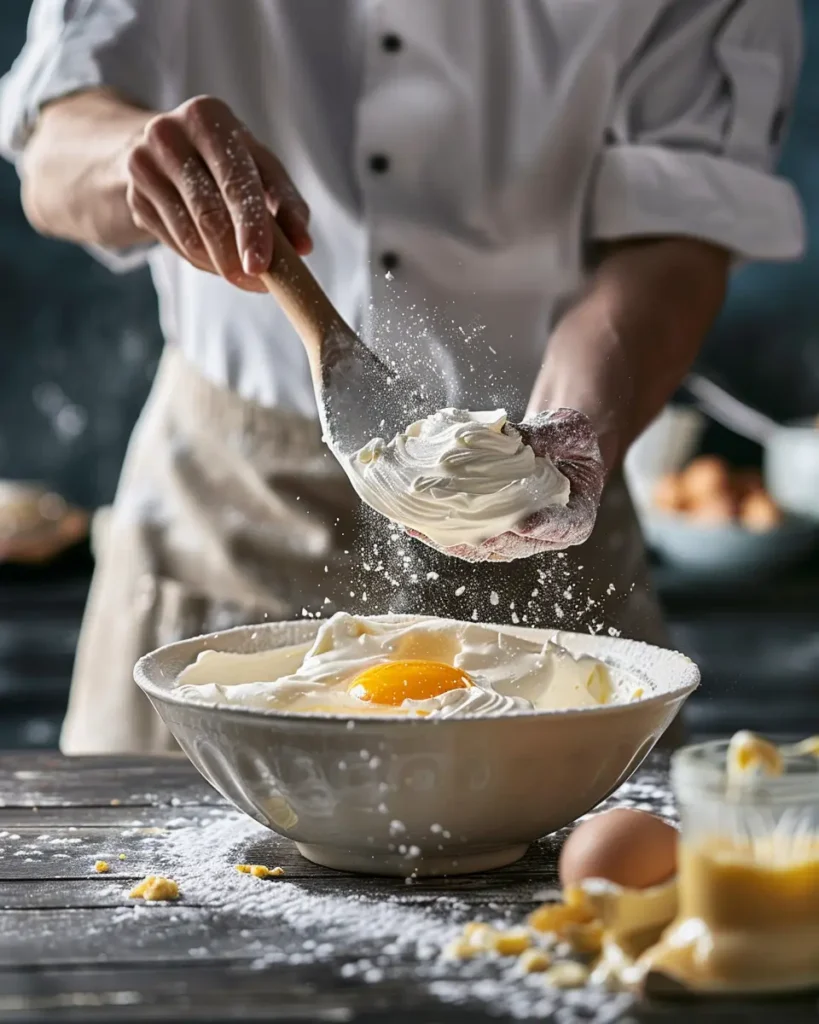
Fold with intention, not just care. The folding technique after whipping is as consequential as the whipping itself. Use a wide, flat spatula. Cut down through the center of the foam, sweep along the bottom of the bowl, and fold up and over in a single continuous motion. Rotate the bowl a quarter turn between each fold. The goal is to combine the batter in the fewest strokes possible while maintaining as much air volume as you built during whipping. Twelve to sixteen strokes is a reasonable benchmark for most carnivore batter combinations; beyond that, you are deflating more than you are mixing.
Understanding these mechanics transforms egg white whipping from a guessing game into a repeatable, diagnosable skill. For application-specific texture guidance across different carnivore baked goods, the dough consistency guide provides the downstream context that connects foam quality to final crumb structure — and helps you read a baked result backward to identify which whipping variable to adjust next time.