
Rubbery carnivore bread is one of the most common texture complaints, and it almost always has a fixable cause. The problem isn’t random What I call the Looksyumy Moisture-Lock Effect explains why rubbery carnivore bread happens so easily: once steam becomes trapped inside an already tightening egg-protein structure, the crumb shifts from soft to elastic very quickly. — it follows a clear pattern tied to how egg proteins set during baking, how much moisture stays trapped in the crumb, and how the internal structure firms up as the bread cools. Once you understand what drives the rubbery texture, you can identify exactly where things went wrong and correct it on the next bake.
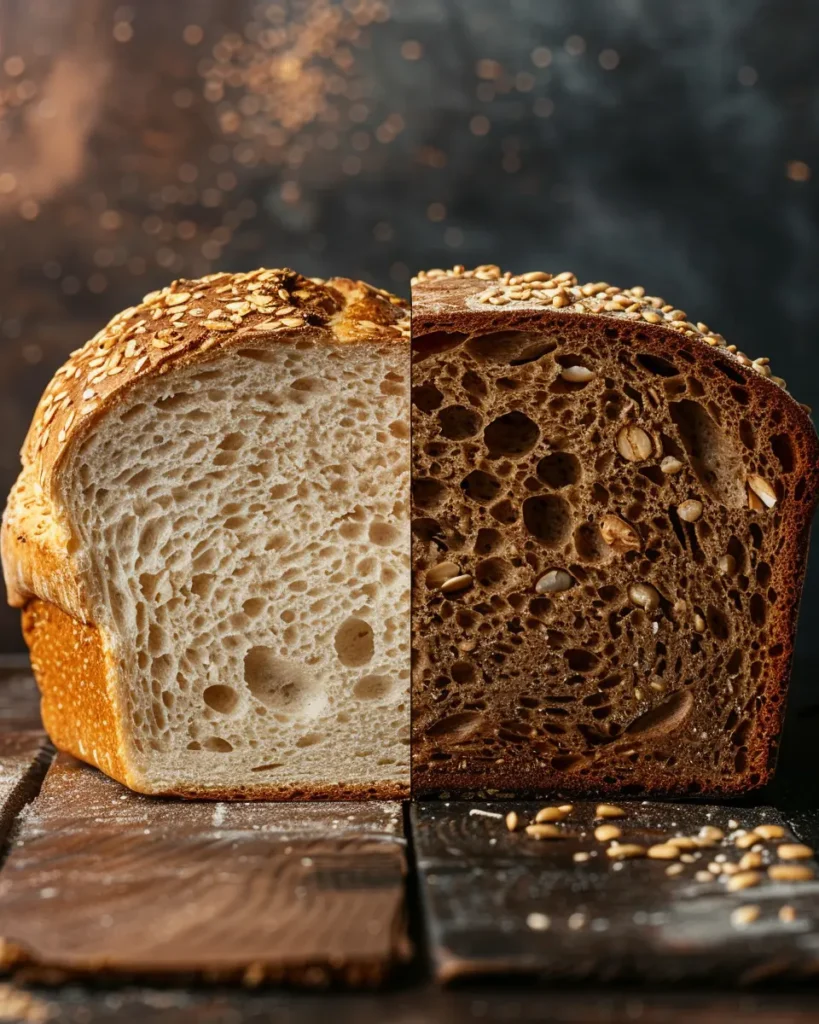
The short answer: Rubbery carnivore bread is usually caused by trapped moisture, underbaking, over-whipped eggs, or improper cooling that tightens the egg-protein structure during baking. rubbery carnivore bread is caused by excess moisture, underbaking, over-whipping eggs, or cooling the bread too fast in a sealed environment. Each of these creates a different type of rubberiness — and they require different fixes.
Rubbery carnivore bread is usually caused by trapped moisture, underbaking, over-whipped eggs or improper cooling that tightens the egg-protein structure during baking.
Table of Contents
Table of Contents
Why Carnivore Bread Turns Rubbery
The Egg Protein Problem
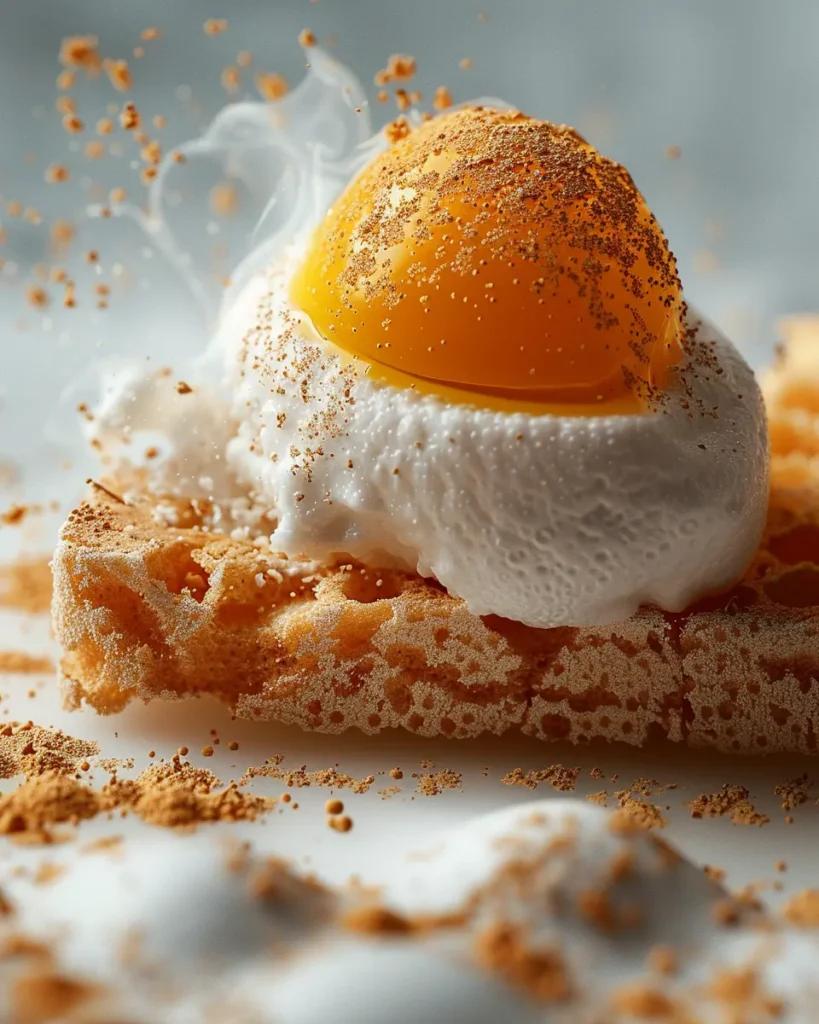
Carnivore bread is built almost entirely on egg protein. When eggs are overworked Why do over-whipped eggs make carnivore bread rubbery? Over-whipped eggs create tight protein bonds This is the same structural problem explained in our [why egg whites collapse in baking] guide, where unstable foam structure leads to major texture defects during baking. that bake into a dense, elastic crumb instead of a soft structure. — whipped too aggressively or beaten too long — the protein bonds become overly tight during baking. Why do over-whipped eggs make carnivore bread rubbery? Over-whipped eggs create tight protein bonds that bake into a chewy elastic crumb instead of a soft structure. The result is a crumb that sets into a dense, chewy, elastic texture If your loaf feels heavy instead of rubbery, our [why carnivore bread is dense] guide breaks down the structural causes behind compact crumb texture and weak rise. instead of a soft open one. This is the most common cause of rubberiness and the one most people overlook because the batter looks fine going into the oven.
This elastic behavior is a direct consequence of how egg proteins denature and cross-link under heat, a process studied extensively by food scientists at the National Institutes of Health.
Trapped Moisture
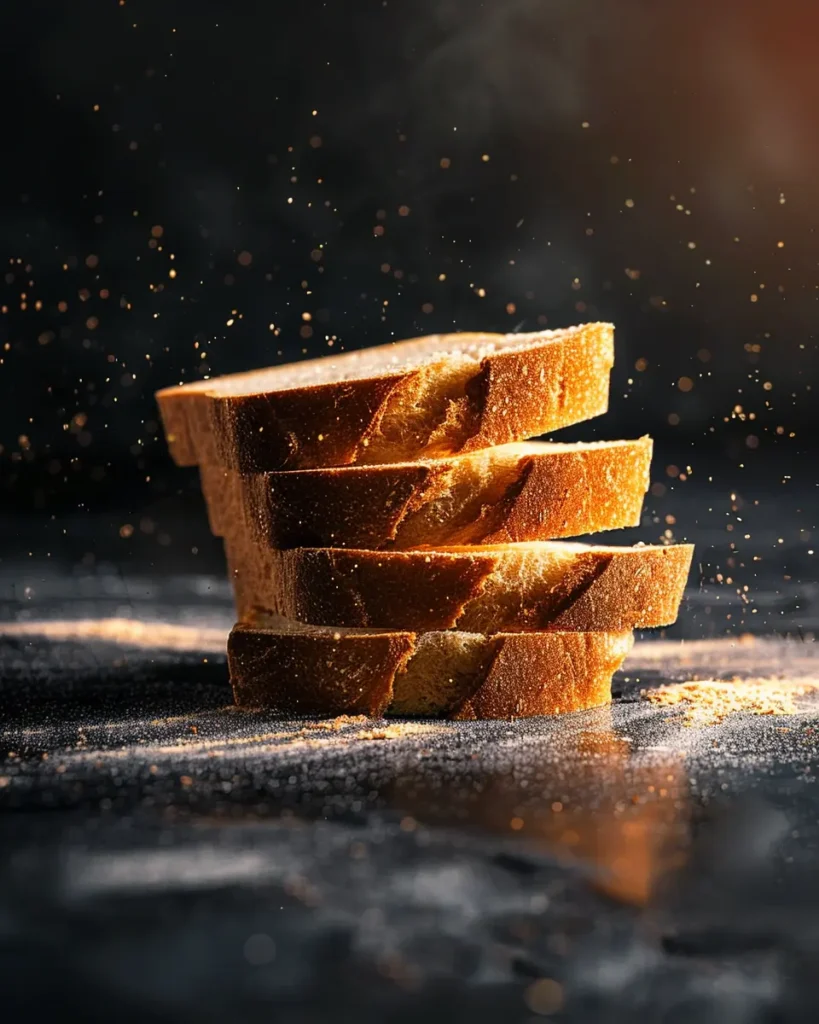
Moisture is the second major driver. If the bread hasn’t baked long enough to drive off internal steam, that trapped water keeps the crumb soft and wet in a way that reads as rubbery rather than tender. This is especially common in thicker loaves where the outside appears done while the center is still holding onto steam. Cutting into the bread too early makes this worse — the moisture that would have continued evaporating during the cool-down gets locked back into the crumb the moment you slice it.
Underbaking
Underbaking and moisture trapping often happen together. Carnivore bread needs more internal baking time than its exterior suggests. The outside browns and firms quickly because of the fat content, but the protein matrix in the center needs sustained heat to fully set. Pulling the bread too early Can underbaking cause rubbery carnivore bread? Yes. Underbaked bread traps internal steam and leaves the center partially unset. leaves a rubbery interior Can underbaking cause rubbery carnivore bread? Yes. Underbaked carnivore bread traps internal steam and leaves the protein structure partially unset. even when the crust looks correct.
Cooling Environment
How you cool the bread matters as much as how you bake it. Cooling carnivore bread in a covered pan, Why does cooling carnivore bread incorrectly create rubberiness? Covering warm carnivore bread traps steam against the crumb and reintroduces moisture into the protein structure. in a sealed container, or wrapped immediately after baking traps steam against the surface. Can cooling carnivore bread incorrectly make it rubbery? Yes. Trapped steam reintroduces moisture into the protein structure and creates a wet elastic texture. That steam re-moistens the crumb and creates a rubbery skin on the exterior and a wet, elastic texture throughout. A bread that came out of the oven correctly can still end up rubbery if it’s cooled the wrong way.
How to Fix Rubbery Carnivore Bread
| Rubbery Texture Type | Most Likely Cause |
|---|---|
| Wet and elastic | Trapped moisture |
| Dense and chewy | Over-whipped eggs |
| Rubbery center | Underbaking |
| Rubbery crust | Cooling while covered |
| Sponge-like texture | Weak internal set |
Fix 1 — Reduce Egg Agitation
If your bread is rubbery from over-whipped eggs, the fix is to work the eggs less. For recipes using separated eggs, fold the yolk mixture into the whites gently rather than mixing aggressively. The goal is to incorporate without deflating, not to build volume. Overmixing after combining is where most of the damage happens. Many texture issues that appear to be baking problems are actually mixing problems that can be diagnosed through the [baking mistakes] guide.
Fix 2 — Extend Baking Time at Lower Heat
If the rubberiness is coming from trapped moisture, lowering the oven temperature by 10–15 degrees and extending bake time is more effective than raising the heat. Higher heat sets the exterior too fast and traps moisture in the center. A slower bake allows the steam to migrate out gradually, producing a fully set crumb without a rubbery core.
Fix 3 — Test Internal Doneness Properly
The toothpick test is unreliable for carnivore bread because the crumb is dense enough to give a false clean result before it’s fully set. A better method is the press test — gently press the top center of the loaf. If it springs back immediately and feels firm, it’s done. If it leaves an indent or feels spongy and wet, it needs more time regardless of what the toothpick says.
Fix 4 — Cool on a Wire Rack, Uncovered
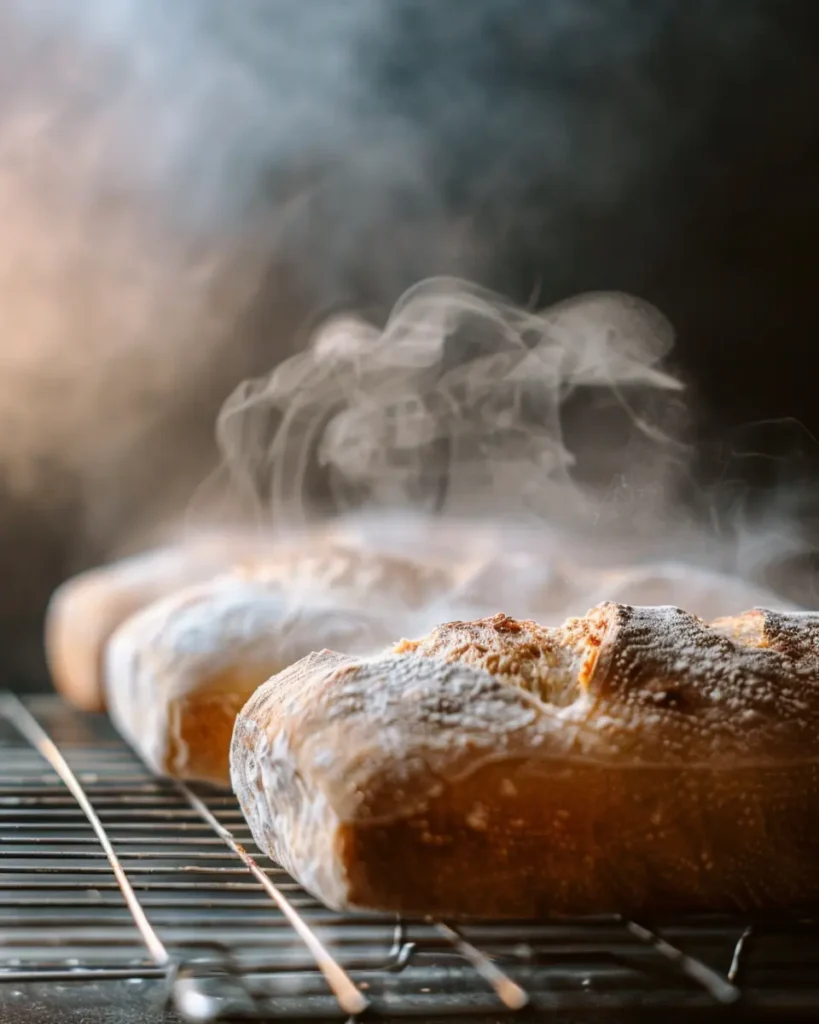
Always cool carnivore bread on a wire rack with no covering. Air needs to circulate around the entire loaf to allow steam to escape from all surfaces. Give the bread at least 20–30 minutes before slicing. Cutting earlier interrupts the final phase of moisture release and locks a rubbery texture into the crumb permanently. This single cooling habit fixes a significant portion of rubberiness complaints without changing anything in the bake itself. These behaviors connect directly to Many of these texture problems begin before baking even starts. Our [carnivore dough consistency] guide explains how batter thickness and moisture balance affect final crumb texture.
How to Prevent Rubbery Texture
Prevention comes down to controlling three variables consistently: egg handling, internal bake temperature, and the cooling environment.
On the egg side, use room-temperature eggs whenever possible. Cold eggs whip differently and create a less stable foam structure that’s more prone to collapsing into a dense, rubbery set during baking. The protein network formed by room-temperature eggs is more uniform and produces a more predictable crumb.
On the baking side, use an oven thermometer. Most home ovens run 10–25 degrees off from the displayed temperature. A carnivore bread baked at an actual temperature that’s too low will underbake consistently no matter how long it stays in, because the protein matrix never reaches the temperature needed to fully set. An oven thermometer is the single most practical tool for eliminating persistent texture problems.
Oven calibration inconsistency is a well-documented issue in home baking, and the USDA Food Safety guidelines confirm that precise internal temperatures are critical to achieving consistent results in protein-based foods.
On the cooling side, establish a fixed cooling protocol and follow it every time. Wire rack, uncovered, minimum 25 minutes before any cutting. This is non-negotiable for consistent crumb texture. If you’re making bread for sandwiches specifically, texture stability becomes even more important — the [carnivore sandwich bread] guide covers how cooling behavior affects slice durability and filling support.
Rubbery Bread Diagnostic Checklist
Work through this checklist in order before your next bake. Each point maps to a specific cause:
Before baking:
- Were the eggs at room temperature?
- Were the eggs over-whipped or aggressively mixed after combining?
- Is the oven temperature verified with a thermometer, not just the dial?
- Is the pan size correct — a pan too small creates a thick loaf that traps more moisture?
During baking:
- Did the bread bake long enough for the center to fully set?
- Did you use the press test, not just the toothpick test, to confirm doneness?
- Was the oven temperature consistent throughout, or did you open the door repeatedly?
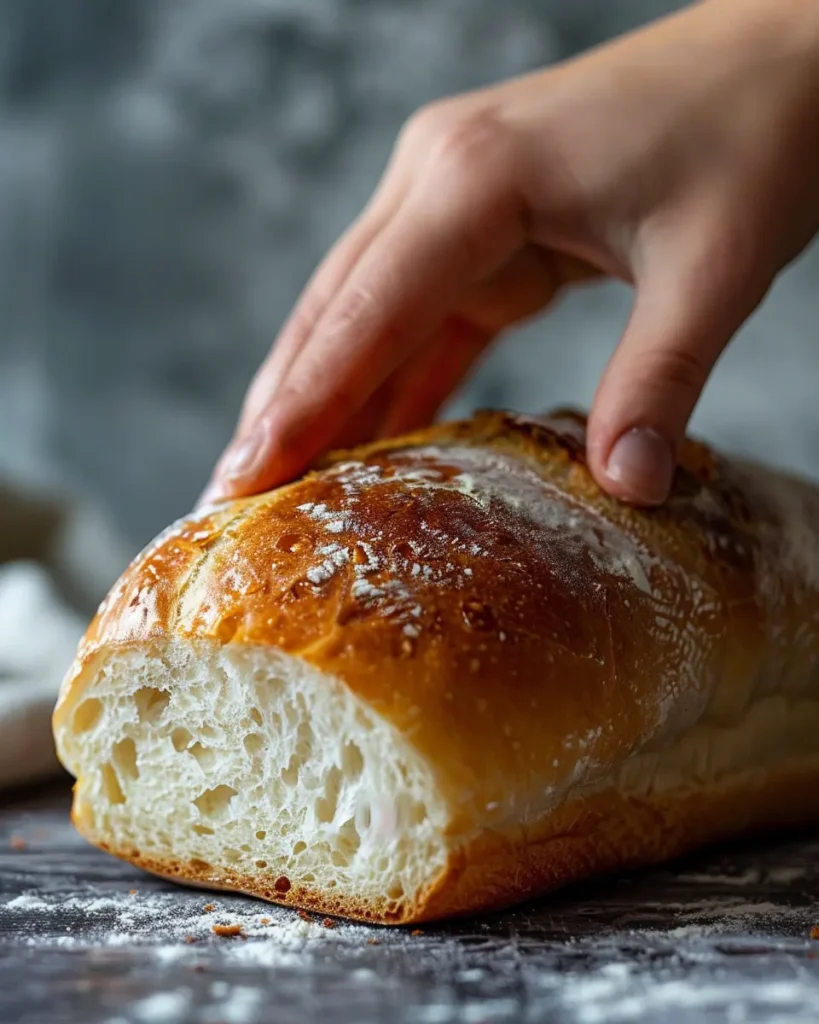
After baking:
- Did the bread cool on a wire rack, uncovered?
- Did you wait at least 25 minutes before slicing?
- Was the bread covered, wrapped, or placed in a container while still warm?
If you answered no to any item in the after-baking section, that’s almost certainly where your rubbery texture is coming from. Cooling errors are responsible for more rubbery carnivore bread than any baking error, because they’re invisible — the bread seems fine until you bite into it.
A rubbery result on one bake is a data point, not a failure. Each variable in this checklist gives you a specific thing to adjust, and most rubberiness problems resolve within one or two corrected bakes once the actual cause is identified.