👉 Download the Free Looksyumy Animal-Based Runner Fuel Log & Intra-Run Electrolyte Balance Sheet — Print Before Your Next Long Run
Runners use carnivore recipes to sustain long mileage because fat-adapted bodies access a near-unlimited fuel tank — stored body fat — instead of the small glycogen reserves that run dry around mile 18. When you eat animal-based fats and proteins consistently, you stop hitting the wall because your energy supply doesn’t depend on re-fueling every 45 minutes with gels. These recipes are built for pace sustainability, gut comfort, and the kind of steady legs that get you to the finish line without a GI emergency on the side of the road.
The best carnivore recipes for runners combine easily digestible protein, animal-based fats, and sodium-rich foods that support endurance, recovery, and stable energy during long runs. Most runners perform best when meals are timed around training and built around fatty meat, eggs, bone broth, and electrolyte support.
Table of Contents
Running Fuel Needs: Why Endurance Athletes Go Plant-Free
The primary factor pushing long-distance runners toward carnivore eating isn’t trendy biohacking — it’s the gut. Most endurance athletes who switch report that stomach issues during runs disappear when they remove fiber, plant starches, and processed gels from their daily eating.
For runners who prefer complete portable meals instead of snack-style fuels, these 3-ingredient carnivore burger meals provide a practical high-protein alternative.
Fat-adapted running is a real, trainable state. Your body learns to pull energy from dietary fat and stored fat simultaneously, which means your pace stays consistent for hours rather than spiking and crashing with every gel packet. The Looksyumy Performance Plan is structured around this: eat animal fats, proteins, and electrolytes in the right amounts at the right times, and you build a running engine that doesn’t need a pit stop every 8 miles. Runners who follow the Looksyumy Performance Plan for 6–8 weeks consistently report fewer stomach cramps during long runs, steadier effort perception at threshold pace, and significantly less post-run gut bloat. While endurance athletes have unique fueling demands, many of the same recovery and performance principles also apply across strength training, CrossFit, and hybrid sports. For a broader approach to animal-based performance nutrition, see our Carnivore Recipes for Athletes guide.
Top 7 Runner-Friendly Carnivore Recipes (Ingredients & Step-by-Step)
Every recipe below is made 100% without dextrose, sweet potato starches, maltodextrin, pea protein isolates, xanthan gum, or oat flours. No gels, no plant fillers — just real animal food that works.

1. No-Carb Egg White Runners Bread
Runner Performance Benefit: Light, low-fat base food for pre-run mornings when you need something in your stomach without heaviness. Easy to slice, carry, and top with butter or tallow.
Macros (per slice, approx. 10 slices per loaf): ~4g protein | ~1g fat | 0g carbs | ~25 kcal
Ingredients:
- 8 egg whites
- 2 egg yolks
- ½ tsp cream of tartar
- Pinch of sea salt
- Butter for greasing the pan
Directions:
- Preheat oven to 300°F (150°C). Grease a standard loaf pan with butter.
- Beat egg whites, cream of tartar, and salt with a hand mixer until stiff, glossy peaks form.
- Gently fold in the two egg yolks without collapsing the whites.
- Pour batter into the loaf pan and smooth the top.
- Bake 40–45 minutes until set, lightly golden, and springy to the touch.
- Cool 15 minutes before slicing. Refrigerate and use within 4 days.
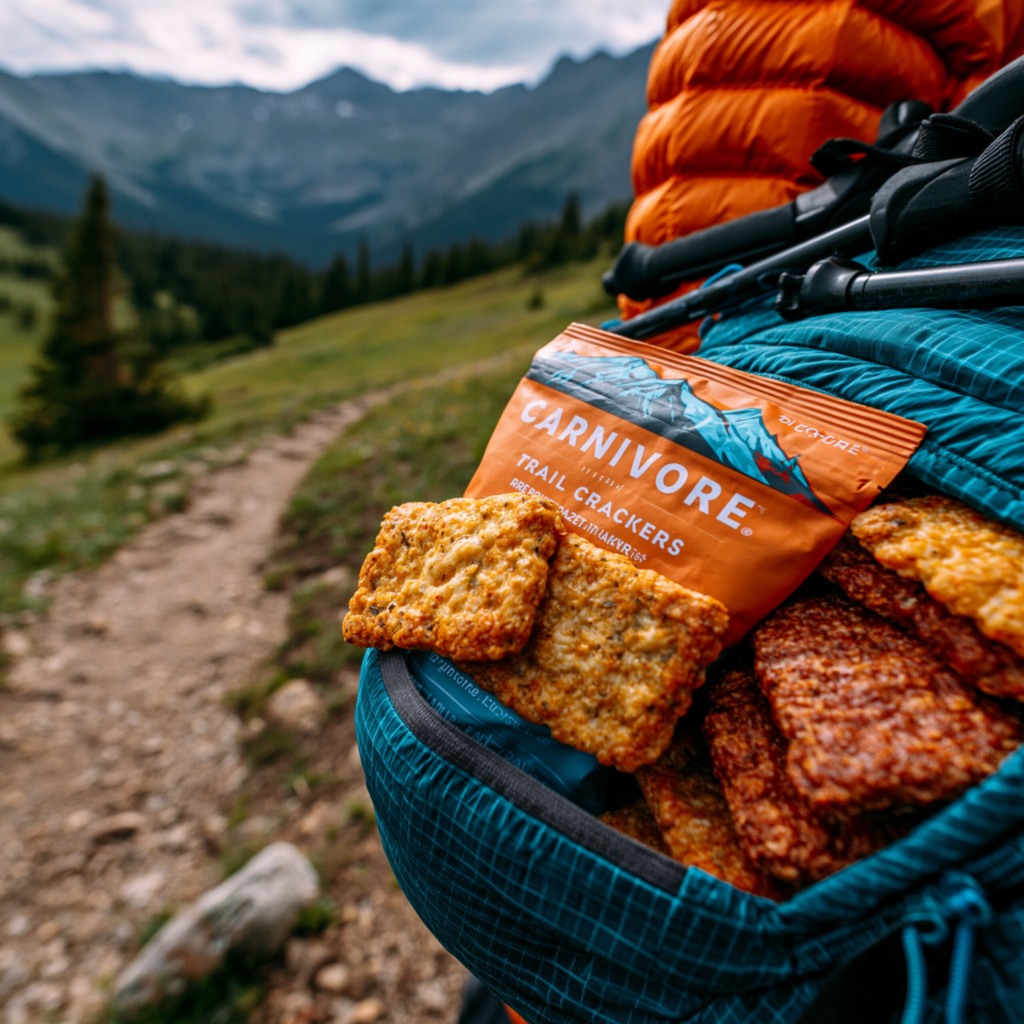
2. Crispy Carnivore Trail Crackers
Runner Performance Benefit: Shelf-stable, packable, high-sodium trail fuel that fits in a running vest pocket. These replace processed energy bars for runners covering 20+ mile weeks on trails.
Ingredients:
- 8 oz 80/20 ground beef
- ½ tsp sea salt
- ½ tsp smoked salt (optional, for flavor)
- ¼ tsp black pepper
- 1 tsp beef tallow (for pressing)
Directions:
- Mix ground beef with salt, smoked salt, and pepper until evenly combined.
- Place a golf ball–sized portion between two sheets of parchment paper.
- Roll flat with a rolling pin until about 2mm thick — very thin.
- Peel off the top parchment and transfer the flat sheet to a baking rack.
- Repeat until all beef is rolled flat.
- Bake at 250°F (120°C) for 2–2.5 hours until fully dried and crispy.
- Break into cracker-sized pieces. Store in an airtight container for up to 7 days.
3. Carnivore Endurance Crepes
Runner Performance Benefit: Thin, flexible, and easy on the stomach before a long run. These wrap easily around butter or folded meat slices for a portable pre-run meal.
Ingredients:
- 3 large eggs
- 1 tbsp unflavored gelatin powder (dissolved in 1 tbsp warm water)
- Pinch of sea salt
- 1 tsp butter (per crepe, for the pan)
Directions:
- Dissolve gelatin in warm water and let it bloom for 2 minutes.
- Whisk eggs with salt until smooth, then whisk in the dissolved gelatin.
- Heat a non-stick pan over medium-low. Add butter and coat the surface.
- Pour 3–4 tbsp of batter and swirl immediately to form a thin round.
- Cook 1–2 minutes until the edges lift, then flip for 30 seconds.
- Stack with parchment between each crepe. Use same day or refrigerate overnight.
4. Zero-Carb Crispy Cereal Bowl
Runner Performance Benefit: High sodium, high protein, fast to prepare — ideal as a post-run snack or a light pre-long-run breakfast two hours before heading out.
Ingredients:
- 5 oz 80/20 ground beef
- ½ tsp sea salt
- ¼ tsp black pepper
- ½ cup cold bone broth or cold whole milk (if tolerated)
Directions:
- Brown ground beef in a skillet, breaking into very small, even crumbles. Season with salt and pepper.
- Spread crumbles on a parchment-lined baking sheet in a single layer.
- Bake at 275°F (135°C) for 50–60 minutes, stirring once halfway, until dry and slightly crispy.
- Cool completely on the sheet.
- Pour cold bone broth into a bowl, add the beef crumbles, and eat immediately before they soften.
5. Quick-Absorbing Egg Yolk Fuel Chips
Runner Performance Benefit: Dense in choline, fat-soluble vitamins, and fast-absorbing fats. A small handful before an easy run or as a mid-afternoon recovery snack covers micronutrient gaps most runners miss.
Ingredients:
- 6 egg yolks
- Sea salt
- Optional: smoked salt for extra flavor
Directions:
- Separate yolks carefully, keeping each intact.
- Place on a parchment-lined baking sheet, spaced well apart.
- Season each yolk with a pinch of sea salt.
- Bake at 200°F (95°C) for 2.5–3 hours until fully dried, firm, and chip-like.
- Cool on the tray. Store in an airtight container up to 5 days.
6. Blended Bone Broth Butter Fuel
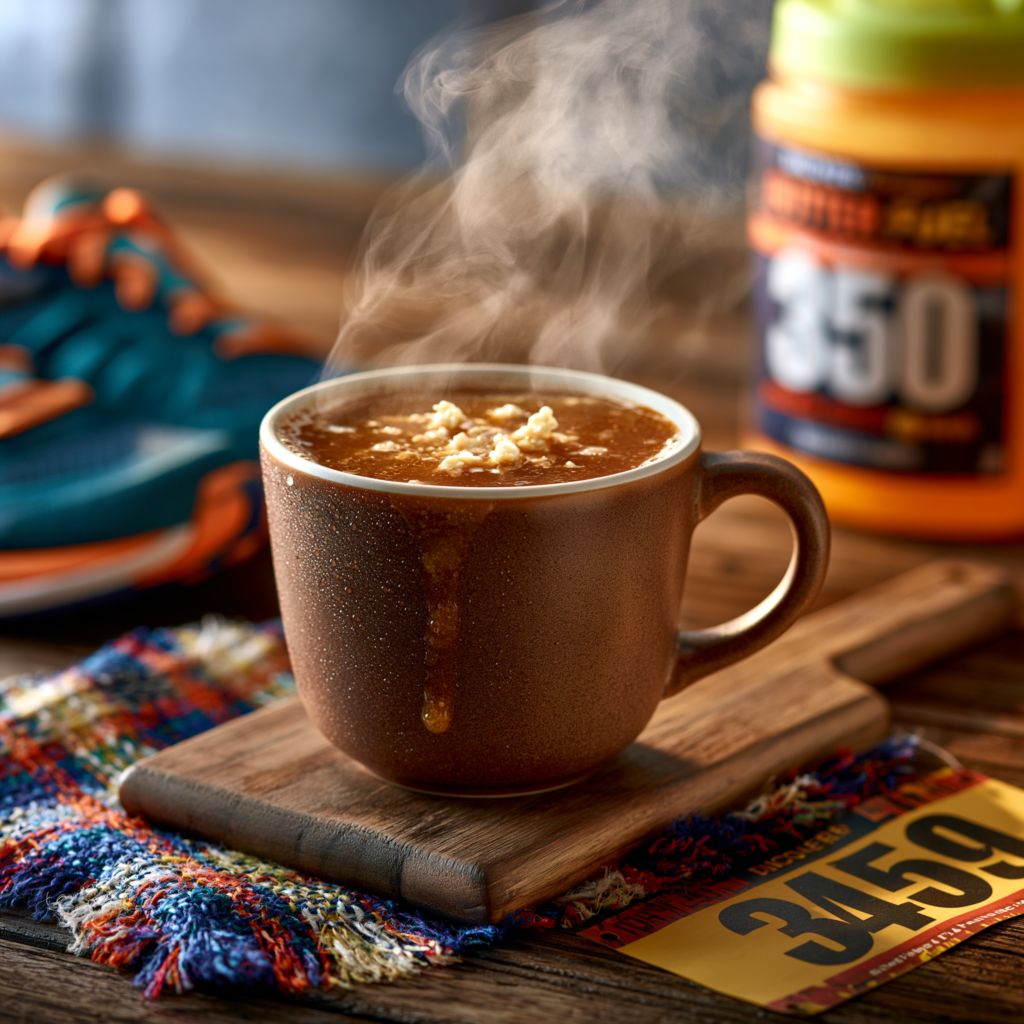
Runner Performance Benefit: Fast liquid fat and electrolytes in under 5 minutes. Ideal 45–60 minutes before a morning run when solid food feels too heavy and you need something that won’t slosh.
Ingredients:
- 1 cup hot beef bone broth (quality packaged or homemade)
- 1 tbsp grass-fed butter
- 1 tbsp ghee or beef tallow
- ½ tsp sea salt
- Optional: pinch of black pepper
Directions:
- Heat bone broth until hot but not boiling.
- Pour into a blender with butter, tallow, and salt.
- Blend on high 20–30 seconds until frothy and fully emulsified.
- Pour into a travel mug. Drink slowly over 10 minutes, not all at once.
7. Carnivore Pemmican Bars
Runner Performance Benefit: The original endurance race fuel. Shelf-stable for weeks, calorie-dense, fits in any vest pocket, and delivers sustained fat energy across long efforts without any sugar crash. These are what you carry instead of gels.
Ingredients:
- 8 oz lean beef (eye of round or similar), sliced paper-thin
- 4 oz beef tallow, melted
- 1 tsp sea salt
- Optional: ½ tsp smoked salt for flavor
Directions:
- Dry the beef slices in a dehydrator at 160°F (70°C) for 4–6 hours, or in an oven at the lowest setting with the door cracked, until completely dry and brittle.
- Let cool, then pulse in a food processor until you have a fine, dry powder — no moisture remaining.
- Mix the beef powder with salt thoroughly.
- Pour melted tallow over the mixture gradually, stirring until you get a thick, moldable paste. The ratio should be roughly 2:1 meat powder to tallow by weight.
- Press firmly into a small loaf pan or silicone mold.
- Refrigerate 2 hours until solid, then slice into bars.
- Store in the fridge up to 3 weeks, or carry at room temperature for up to 5 days during race week.
Before Running: What to Eat and When
The real issue for most runners isn’t what to eat before a run — it’s how much and how close to the start. A full meat meal 30 minutes before running will sit in your stomach like a stone and turn into a GI disaster by mile 4.
For runs starting in under 60 minutes, go liquid: the Blended Bone Broth Butter Fuel or a cup of salted bone broth on its own. Liquid fat absorbs faster, gives you usable energy quickly, and leaves nothing sitting in your gut. For runs starting in 90 minutes or more, a small solid meal works fine: 3–4 oz of ground beef, one or two eggs cooked in butter, and a generous pinch of salt. Keep the portion small. You’re not loading a fuel tank — you’re topping it off. Anything heavier than that before a run and your body redirects blood to your stomach instead of your legs.
After Running: Recovery Meals for Fast Muscle Repair
The main reason runners feel flat and heavy the day after a long run isn’t just muscle damage — it’s a combination of low sodium, low fat, and not enough amino acids to start repairing the connective tissue and leg muscles that took a pounding on the road.
Many runners also benefit from structured high-protein carnivore meal plans that support muscle repair and recovery between training sessions.
Within 45–60 minutes of finishing a long run, target this combination:
- Protein source: 6–8 oz of ground beef (80/20), salmon, or lamb — something with fat in it, not just lean protein
- Fat: Cook with 1–2 tbsp butter or tallow; don’t drain it off
- Electrolytes: Salt the meal heavily and follow it with a cup of warm bone broth
- Joint support: If you ran more than 10 miles, add a cup of bone broth or collagen to your post-run meal specifically for the gelatin and joint tissue repair it supports
The day-after stiffness most runners feel comes from not hitting this window. Eating 3 hours post-run is too late for the first recovery signal. Hit it within the hour.
Recovery: Staying Lean and Strong Without Carbs
Why this happens — runners on a meat-only approach sometimes see their pace slow or their legs feel heavy in the second half of long runs — almost always comes down to eating too lean and not enough fat across the full week of training, not the day of the run.
When fat is your primary fuel, under-eating it during heavy training weeks means your body runs out of available energy to pull from. The fix isn’t adding carbs back — it’s switching to fattier cuts, adding tallow to every meal, and tracking your total daily fat intake, not just your protein.
All recovery foods in this approach are built without dextrose, sweet potato starches, maltodextrin, pea protein isolates, xanthan gum, or oat flours. Standard recovery products lean on these ingredients because they spike blood sugar fast and feel like they’re “working.” What you actually need post-run is bioavailable protein from animal sources, saturated fat, sodium, and time. Pemmican bars, bone broth, and fatty ground beef do that. A maltodextrin shake does not.
Common Errors ❌ That Drain Your Running Energy
The root problem most carnivore runners run into isn’t the diet — it’s the adaptation period combined with two specific mistakes that stack on top of each other and make the whole approach feel broken.
In my own training, I hit a wall around week three of running carnivore. I noticed my legs felt unusually heavy by mile 6 on a route I normally run comfortably through mile 12. I’d been eating only chicken breast and egg whites — very lean, very “clean” — and I’d also quietly stopped salting my food because I was trying to look leaner before a race. In my own training, that combination dropped my running energy harder and faster than anything I’d experienced before. My pace slowed, my legs felt like concrete, and my focus on the trail was gone. It wasn’t fitness. It was fuel.
Quick diagnostic fixes:
- Heavy legs by mile 6: Add butter or tallow to every meal for 3 consecutive days before reassessing. You’re running on a fat deficit.
- Side stitches: Almost always sodium. Salt your food more aggressively and drink a cup of salted broth 60 minutes before your run.
- Consistent fatigue after runs: Add organ meat twice a week. Beef liver restores B12, zinc, and iron — all of which drop during high mileage weeks and directly affect how recovered you feel.
- Cramps during a long run: Carry a small pinch of sea salt in your vest and take it mid-run with water. This works faster than any electrolyte chew on the market.
Hydration & Electrolytes: The Running Balance
The framework most runners use for water doesn’t account for sodium loss, which is why cramps and side stitches are so common. Here’s the exact daily checklist:
Upon Waking
- 500ml (16 oz) water with ½ tsp sea salt dissolved in it — before coffee, before anything else
- This restores overnight sodium loss and prepares your body for movement
Pre-Run (60–90 min before)
- 250–350ml water or salted broth
- Do NOT over-hydrate — drinking 1L before a run causes stomach sloshing and dilutes your remaining sodium
During Long Runs (60+ min)
- Water at every station or every 30–40 minutes
- Carry a small pinch of sea salt in your vest; take it at the 60-minute mark and every 45 minutes after that
- Pemmican bar or Trail Crackers at mile 8–10 for runs over 15 miles
Post-Run (within 30 min)
- 500ml water with a full teaspoon of sea salt
- Follow with your recovery meal — fatty meat, butter, bone broth
- Avoid plain water only; replacing fluids without replacing sodium is what causes post-run headaches and cramping the next morning
Complete 1-Day Runner Meal Plan {#meal-plan}
A full training day on carnivore eating — exact timings, exact portions:
Morning Hydration (6:30 AM — before eating)
- 500ml water with ½ tsp sea salt
- Black coffee (optional)
Pre-Run Fuel (7:15 AM — run at 8:00 AM)
- 1 cup Blended Bone Broth Butter Fuel (see recipe above)
- Optional: 1–2 Egg Yolk Fuel Chips if hunger is strong
Post-Run Recovery Lunch (10:00 AM)
- 7 oz ground beef (80/20) cooked in butter with generous salt
- 1 cup warm bone broth on the side
- 2 hard-boiled eggs if total calories feel low
Mid-Day Snack (1:00 PM)
- Carnivore Trail Crackers (a small handful)
- OR 2–3 slices of Egg White Runners Bread with butter
Dinner (6:30 PM)
- 8 oz salmon or lamb chops cooked in tallow
- 2 eggs on the side, fried in butter
- 1 cup bone broth
- Salt throughout
Evening (if hunger persists)
- Small serving of Pemmican Bar
- 250ml salted water
Runner Fuel Quick Guide
| Running Goal | Best Carnivore Option |
|---|---|
| Pre-Run Energy | Bone Broth Butter Fuel |
| Long Run Fuel | Carnivore Pemmican Bars |
| Post-Run Recovery | Ground Beef and Bone Broth |
| Portable Running Snack | Carnivore Trail Crackers |
| Electrolyte Support | Salted Bone Broth |
| Lightweight Breakfast | Egg White Runners Bread |

Description
This No-Carb Egg White Runners Bread is a light, portable, and easy-to-digest carnivore bread designed for endurance athletes. High in protein and virtually carb-free, it provides a convenient pre-run option that delivers nutrition without the heaviness that can interfere with performance.
Ingredients
8 egg whites
2 egg yolks
1/2 teaspoon cream of tartar
Pinch of sea salt
Butter for greasing the pan
Instructions
Preheat the oven to 300°F (150°C).
Grease a standard loaf pan with butter.
Beat the egg whites, cream of tartar, and salt until stiff glossy peaks form.
Gently fold in the egg yolks without deflating the mixture.
Transfer the batter to the prepared loaf pan.
Smooth the surface evenly.
Bake for 40–45 minutes until lightly golden and fully set.
Cool for 15 minutes before slicing.
Serve fresh or refrigerate for later use.
Notes
Ideal for pre-run meals when a lighter option is preferred.
Store in the refrigerator for up to 4 days.
Toast lightly before serving for additional texture.
Pair with butter, tallow, eggs, or sliced meat.
Avoid overmixing when folding the yolks to preserve volume.
Nutrition
- Serving Size: 1 Slice
- Calories: 25
- Sugar: 0 g
- Sodium: 55 mg
- Fat: 1 g
- Saturated Fat: 0 g
- Unsaturated Fat: 1 g
- Trans Fat: 0 g
- Carbohydrates: 0 g
- Fiber: 0 g
- Protein: 4 g
- Cholesterol: 12 mg
Frequently Asked Questions
How do runners get energy without plant carbs?
Once fat-adapted — which takes most runners 4–6 weeks of consistent carnivore eating — your body pulls fuel from dietary fat and your own stored body fat simultaneously. Your liver also produces glucose on demand from protein through a process called gluconeogenesis, covering whatever your brain and muscles need without you eating a single carb. The result is a fuel supply that doesn’t run out at mile 18 the way glycogen does.
What is the best pre-run digestion window?
For liquid fuel (bone broth, butter shake): 30–45 minutes before running is fine. For solid food (eggs, ground beef, egg white bread): give yourself at least 90 minutes. The bigger the meal and the higher the fat content, the longer it needs. Test your window during easy training runs, not before a race.
Will dropping standard recovery shakes cause muscle cramps?
Only if you don’t replace the minerals those shakes contain — and the main one is sodium, not magnesium, despite what most cramp advice says. A cup of salted bone broth post-run plus heavily salted recovery meals replaces everything a commercial shake provides, without the fat adaptation in endurance athletes being disrupted by the sugar base those products use. If cramps persist after 7–10 days of proper sodium intake, check your hydration timing — over-drinking plain water without salt is a common secondary cause.