
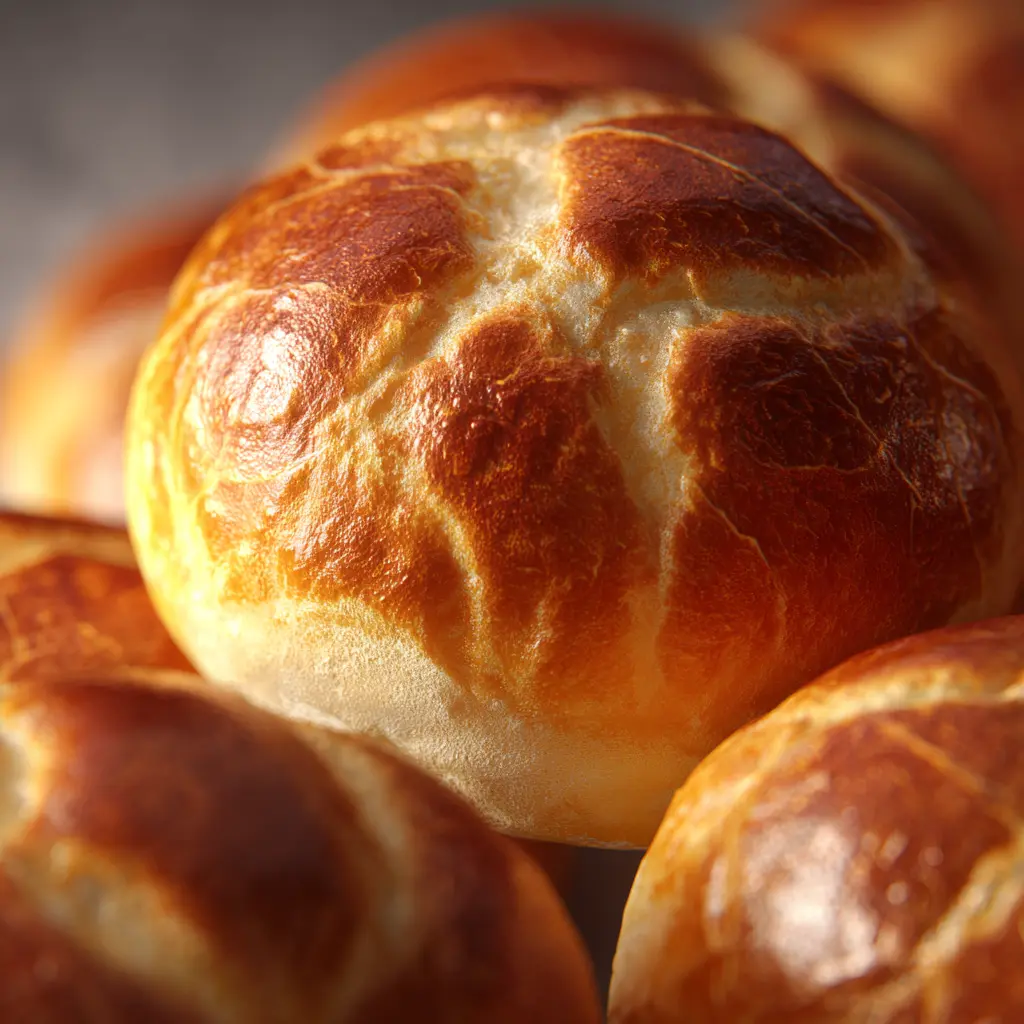
Carnivore Buns Calories:
Full Nutrition Breakdown
& Best Use Cases
By a Certified Nutritionist · 8 min read
Carnivore buns contain 90–140 calories per bun depending on ingredients.
- Classic version: ~110 kcal
- Egg white bun: ~58 kcal
- Meat-based bun: 142–195 kcal
All versions contain under 1g net carbs and higher protein than regular bread.
If you’ve been swapping conventional buns for something cleaner, you’ve probably already heard of carnivore buns — but figuring out their exact calorie count can be surprisingly confusing. Every recipe is slightly different, every size varies, and most food trackers don’t list them at all.
If you want more variety, you can explore our carnivore bread recipes for additional zero-carb options.
This guide cuts through the noise. Below you’ll find a complete nutrition table, a macro-by-macro calorie breakdown, and a clear-eyed look at which goal — weight loss or muscle gain — carnivore buns actually serve best. If you’re also tracking your overall meal prep macros for the week, this breakdown will slot right in.

What You Need to Know
What they are: Buns made entirely from animal products — usually eggs, cheese, and/or meat — with zero grains or starches.
Core benefit: Low-calorie, zero-carb replacement for burger buns and sandwich bread.
Who benefits: Carnivore dieters, keto followers, diabetics, high-protein athletes, and anyone cutting processed carbs.
Why it matters: Replacing a 250-calorie wheat bun with a 110-calorie carnivore bun saves ~500 kcal per day for a two-burger meal — without sacrificing satisfaction.
What Are Carnivore Buns, Exactly?
Carnivore buns are zero-carb buns made exclusively from animal-derived ingredients. The most common base is a combination of eggs and cream cheese, whipped until light, then baked into a soft, round shape. Some recipes add shredded chicken, pork rinds, or beef gelatin for extra structure and protein density.
Unlike keto buns that often rely on almond flour or coconut flour, carnivore buns contain no plant ingredients whatsoever. The result is a bun with a delicate, egg-forward texture — closer to a cloud bread than a dense bread roll.
Because the fat and protein content of each bun varies by recipe, understanding carnivore buns calories requires knowing exactly what went into them. That’s where the table below becomes essential.
Print
Description
Soft carnivore buns, low carb and high protein.
Ingredients
4 eggs
60g cream cheese
1/4 tsp cream of tartar
salt
Instructions
Mix, whip egg whites, fold, bake 25 min.
Nutrition
- Calories: 110
- Fat: 8g
- Carbohydrates: <1g
- Protein: 8g
Carnivore Buns Calories: Full Nutrition Table
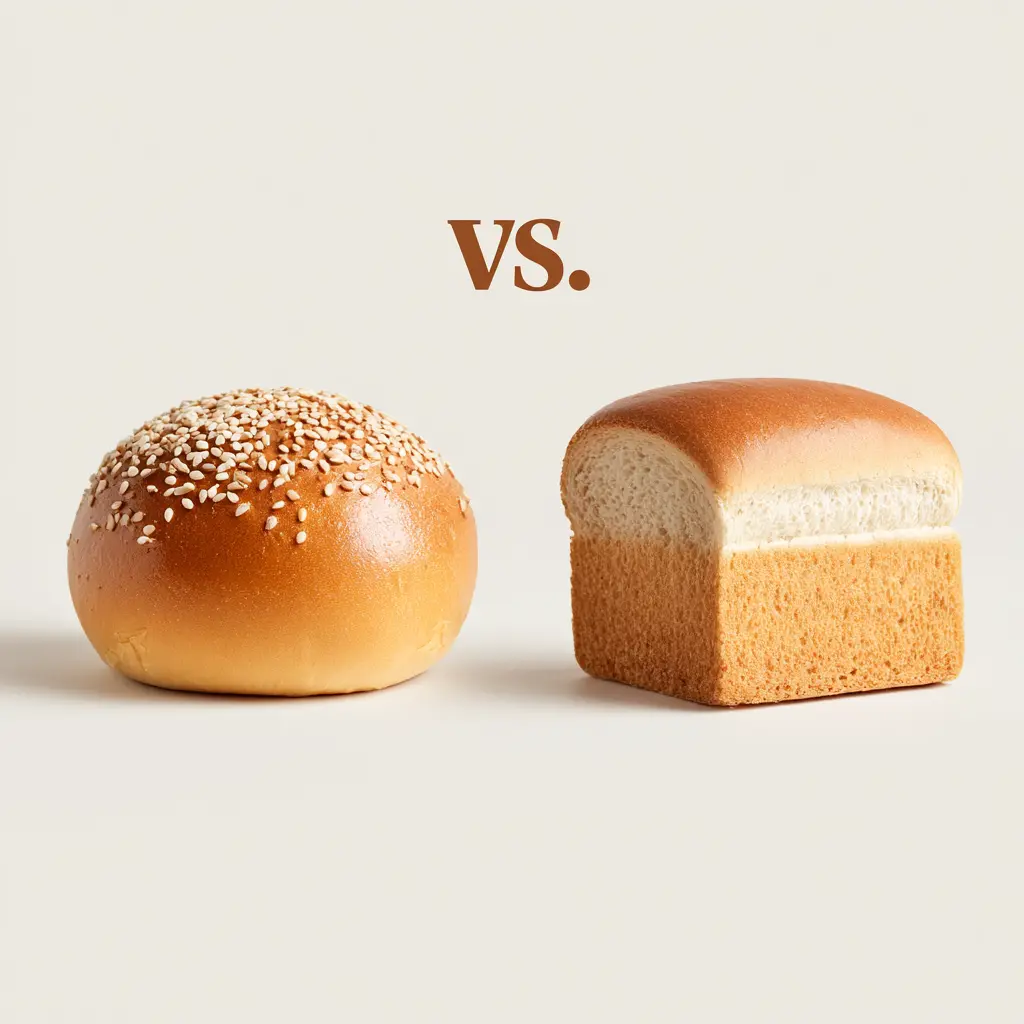
The table below covers the five most common carnivore bun recipes — from the lightest egg-white version to denser, more calorie-rich meat-based variants. All values are per single bun.
| Bun Type | Calories | Protein (g) | Fat (g) | Net Carbs (g) | Best For |
|---|---|---|---|---|---|
| Classic Egg + Cream Cheese | 110 | 8 | 8 | 0.8 | Weight Loss |
| Egg White Only (lean) | 58 | 11 | 0.2 | 0.5 | Cutting Phase |
| Egg + Cheddar Cheese | 138 | 10 | 10 | 0.6 | Maintenance |
| Ground Beef + Egg Bun | 195 | 18 | 13 | 0 | Muscle Gain |
| Chicken + Egg White Bun | 142 | 22 | 5 | 0 | Muscle Gain |
| Pork Rind Cloud Bun | 120 | 14 | 7 | 0 | Weight Loss |
For comparison, a standard white wheat burger bun averages 245–280 calories with 44g carbs and only 5g protein. Even the most calorie-dense carnivore bun contains about 30% fewer calories — and delivers triple the protein.
How many calories are in carnivore buns?
- Lowest: 58 kcal (egg white bun)
- Average: 110 kcal (classic bun)
- Highest: 195 kcal (beef bun)
Most carnivore buns stay under 140 calories with zero carbs.
Average Macro Snapshot (Classic Egg + Cream Cheese Bun)
- Calories: 110 kcal per bun
- Protein: 8g
- Net Carbs: <1g
This macro profile makes carnivore buns a high-protein, low-carb alternative to traditional bread, with better satiety and minimal impact on blood sugar.
The Nutritional Logic Behind the Numbers
Carnivore buns derive their calories almost entirely from animal protein and fat — the two macronutrients with the highest satiety-per-calorie ratio. Protein triggers a stronger thermic effect of food (TEF) than carbs or fat, meaning your body burns roughly 20–30% of protein calories during digestion.
Because they contain no starch or sugar, carnivore buns carry a glycemic index of effectively 0. This makes them particularly valuable for anyone managing insulin sensitivity, type 2 diabetes, or metabolic syndrome. The absence of dietary fiber doesn’t affect this — blood sugar response is driven by carbohydrate content, not fiber subtraction.
The fat content (from whole eggs and cheese) provides fat-soluble vitamins A, D, E, and K2 — nutrients absent from most bread alternatives.
In practical terms, carnivore buns offer a predictable calorie and macro profile that makes them easy to integrate into structured meal plans. Unlike traditional bread, where calorie density comes primarily from carbohydrates, carnivore buns derive their energy from protein and fat, resulting in higher satiety and more stable energy levels throughout the day. This makes them particularly effective for individuals following high-protein, low-carb, or calorie-controlled diets.
Carnivore Buns for Weight Loss: Do the Calories Add Up?
For weight loss, the math is compelling. Swapping two conventional buns per day for carnivore buns saves 270–340 calories daily — that’s nearly 2,400 calories per week, or the rough equivalent of one pound of fat over ten days through diet alone.
But calories alone don’t tell the full story. Carnivore buns also shift your macros in a way that reduces hunger. High protein intake suppresses ghrelin (the hunger hormone), while the absence of refined carbs eliminates the blood sugar crashes that drive afternoon cravings.
🔥 Practical Tip for Fat Loss
Choose the egg-white-only or pork rind variant (58–120 kcal) during a cut. These versions maximize protein-to-calorie ratio and are ideal as part of a structured meal prep rotation to keep total weekly calories predictable.
If you’re already tracking your high protein meals, adding two carnivore buns to a 400-calorie burger meal keeps the total under 640 kcal — well within a fat-loss day.
Carnivore Buns for Muscle Gain: Protein First
For muscle gain, the ground beef or chicken + egg white bun variants are the clear winners. With 18–22g protein per bun, two buns alone contribute nearly 40g of complete animal protein — before you’ve even added your burger patty.
Athletes can combine these buns with carnivore recipes for athletes to increase protein intake efficiently.
Muscle protein synthesis (MPS) is optimized by leucine-rich, complete proteins — which animal sources provide in abundance. Unlike plant-based bread alternatives that offer incomplete amino acid profiles, carnivore buns deliver bioavailable protein with no antinutrients blocking absorption.
For bulking phases, the cheddar-based bun (138 kcal, 10g protein, 10g fat) provides calorie density without excessive volume — important when you’re eating multiple meals a day and stomach space is limited. Pair these with your standard burger bun alternatives during high-training weeks for maximum flexibility.
Optimized Ingredient List
The best carnivore buns use minimal, high-quality ingredients. Here’s what each contributes nutritionally:
- Whole eggs — complete protein (6g per egg), choline for brain health, fat-soluble vitamins
- Cream cheese — adds fat for richness; provides ~50 kcal and casein protein per 2 tbsp
- Cheddar or parmesan — boosts calcium, fat, and savory flavor; contributes 25–40 kcal per tbsp
- Egg whites (separated) — lowers fat and calories dramatically while keeping protein high
- Ground beef or chicken — turns the bun itself into a protein vehicle (18–22g per bun)
- Pork rinds (crushed) — adds crunch and collagen peptides; zero carbs, high protein
- Beef gelatin or collagen powder — improves structure and joint health; neutral flavor
Each of these ingredients contributes to the macros buns profile — high protein, moderate fat, zero starch — that makes carnivore buns categorically different from any grain-based alternative.
Classic Carnivore Bun Recipe (Step-by-Step)

Here’s the base recipe — scalable for meal prep batches of 6–12 buns:
- Separate 3 large eggs — yolks into one bowl, whites into another.
- Whip the egg whites with a pinch of cream of tartar until stiff peaks form (about 3–4 minutes).
- Mix the egg yolks with 3 tbsp softened cream cheese until smooth.
- Fold the yolk mixture gently into the whites — do not deflate.
- Portion onto parchment-lined baking sheet (6 rounds, roughly 3 inches wide).
- Bake at 300°F (150°C) for 25–30 minutes until golden and firm to touch.
- Cool completely before using — they firm up significantly as they cool.
Yield: 6 buns · ~110 kcal each · ~8g protein · <1g net carbs
Common Mistakes to Avoid ❌
❌ Mistake #1: Under-whipping the egg whites
Soft peaks collapse in the oven. You need stiff, glossy peaks for the bun to hold its shape and develop the right texture. Use a clean, dry bowl — any fat residue prevents proper whipping.
❌ Mistake #2: Overbaking at high temperature
High heat dries them out and makes them rubbery. Low and slow (300°F / 150°C) is non-negotiable. The buns should be pale gold, not dark brown.
❌ Mistake #3: Using them straight from the oven
Hot carnivore buns are fragile and will fall apart. Give them at least 20 minutes to cool and set before slicing or loading with toppings.
❌ Mistake #4: Miscounting calories by ignoring toppings
The bun itself is low-calorie — but if your calories breakdown tracker shows higher numbers than expected, check your cheese, sauce, or butter additions. Those can add 80–200 kcal easily.
Expert Tips for Perfect Results 🔥
Batch-bake for the week. Carnivore buns keep refrigerated for 5 days or frozen for 3 months. Making 12 at once means your meal prep is done in one session.
Add gelatin for structure. One teaspoon of unflavored beef gelatin dissolved in the yolk mixture creates a firmer bun that holds up to juicy patties and sauces without disintegrating.
Season the base. A pinch of garlic powder, smoked paprika, or dried herbs added to the yolk mixture makes a significant flavor difference — zero extra calories.
Toast before serving. A quick 90 seconds in a cast iron pan over medium heat creates a slightly crisped exterior that dramatically improves texture and structural integrity.
Carnivore Buns for Low-Carb and Diabetes-Friendly Diets
Because carnivore buns contain very few digestible carbohydrates, many people following low-carb lifestyles use them as alternatives to traditional bread products.
Compared to standard buns made with refined flour, lower-carb alternatives may produce a smaller glycemic response depending on individual metabolism and overall meal composition.
The combination of protein and fat may also help promote slower digestion and steadier energy levels compared to high-carbohydrate baked goods.
As with any dietary approach, individual responses can vary, especially for people managing diabetes or blood sugar-related conditions.
Carnivore Bun Variants
High-Protein Carnivore Bun (22g protein)
Replace cream cheese entirely with 2 oz of finely ground chicken breast. Blend with egg yolks, form into rounds, and bake as usual. Calorie count stays around 142 kcal with a dramatically higher protein ceiling — ideal for high protein meals targeting 40g+ protein per sitting.
Crispy Pork Rind Bun (zero carb, high collagen)
Crush unflavored pork rinds and fold into the egg mixture as a partial replacement for cream cheese. This version has a slightly denser bite, more collagen, and approximately 120 kcal per bun with 14g protein.
Mini Slider Buns (50 kcal each)
Pipe the mixture into smaller, 1.5-inch rounds for slider-sized buns. Perfect for party meals, kids, or anyone watching portions closely — each mini bun contributes about 50 kcal and 4g protein.
Cheese-Shell Bun (parmesan crust)
Line the baking sheet with a thin parmesan disc before piping the egg mixture on top. As it bakes, the cheese forms a golden, crispy base that doubles as structure and flavor. Adds approximately 25–30 kcal per bun from the cheese layer.
Frequently Asked Questions
How many calories are in a carnivore bun?
A standard carnivore bun made with eggs and cream cheese contains 90–140 calories. Leaner egg-white versions come in at around 58 kcal, while meat-based buns (ground beef or chicken) range from 142–195 kcal. All varieties contain fewer than 1g net carbs.
Are carnivore buns good for weight loss?
Yes. Carnivore buns replace 245–280 calorie wheat buns with a 58–140 calorie alternative, saving 100–220 calories per bun. Combined with their high protein content (which reduces hunger hormones) and zero carb profile (which prevents blood sugar spikes), they are one of the most effective bread substitutions for a calorie deficit.
Can diabetics eat carnivore buns?
Yes, carnivore buns are safe for diabetics. They contain zero digestible carbohydrates and have an effective glycemic index of 0. Unlike conventional buns that can raise blood glucose by 40–60 mg/dL, carnivore buns produce no measurable glycemic response. Always consult your physician if adjusting insulin or medication dosing.
How much protein do carnivore buns have?
Protein ranges from 8g (classic egg + cream cheese) to 22g (chicken + egg white variant). The ground beef version delivers 18g protein per bun. Two meat-based carnivore buns alone can contribute 36–44g protein before counting your burger patty.
How long do carnivore buns last?
Stored in an airtight container, carnivore buns keep for up to 5 days in the refrigerator or 3 months in the freezer. They are best refreshed in a dry pan or toaster oven before serving. Do not microwave — they become rubbery.
Are carnivore buns good for muscle gain?
Yes. Meat-based versions provide up to 22g of protein per bun, making them a strong addition to high-protein diets aimed at muscle growth.
Free Carnivore Meal Prep Calorie Guide
Get the full PDF with 7-day carnivore meal plans, calorie targets for weight loss and muscle gain, and a printable macro tracking sheet — completely free. Download Free PDF Guide →
If you’re tracking calories, cutting fat, or optimizing your protein intake, replacing traditional buns with carnivore buns is one of the simplest upgrades you can make. Start with the classic version this week, monitor your daily intake, and adjust based on your goals — whether that’s fat loss, muscle gain, or blood sugar control.
The Bottom Line
Carnivore buns calories — typically 90–140 kcal per bun — make them one of the most practical bread substitutions in any low-carb protocol. Whether you’re cutting calories for fat loss, loading protein for muscle, or managing blood sugar as a diabetic, there’s a carnivore bun variant that works for your goal.
The classic egg + cream cheese version is the best all-purpose starting point. The egg-white version is best for aggressive cuts. And the ground beef or chicken bun is the protein-maximizing choice for building muscle without excess carb intake.
Give them a try this week — batch-bake a dozen, store them in the fridge, and see how they fit into your own high protein meals rotation. Your macros will thank you.
At Looksyumy, we’re proud to share recipes that bring people together around the table, creating moments worth remembering with nothing more than three simple ingredients. These carnivore burger buns are just the beginning of what’s possible when you embrace the power of simplicity in the kitchen.
For more updates, follow us on instagram.