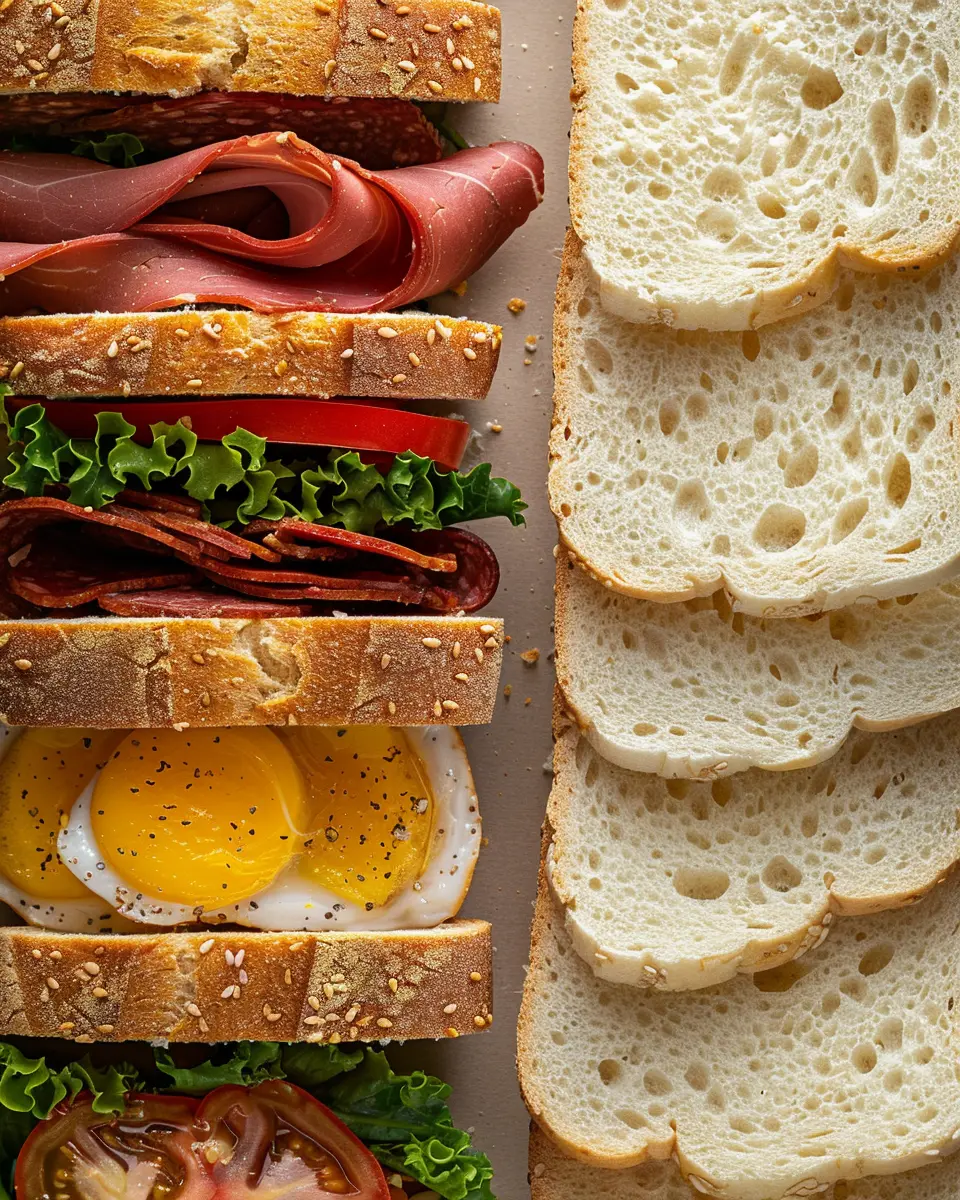
Not all carnivore breads perform equally once you add fillings, pressure, and the reality of actually eating a sandwich. The best carnivore bread for sandwiches is egg-white bread — it holds its shape under moderate filling weight, slices cleanly, and stays soft enough to fold without cracking. But depending on what you’re building — a burger, a grilled sandwich, or a cold deli-style stack — a different structure may serve you better. Understanding how each bread style behaves under sandwich conditions is the key to choosing correctly.
Sandwich structure matters because carnivore bread lacks gluten, the protein network that gives conventional bread its flexibility, spring, and compression resistance. Without it, the difference between a bread that works and one that collapses comes down to how the egg or fat matrix sets during baking, and how it responds to moisture once fillings are added. If you’ve struggled with sandwich texture in the past, the [carnivore bread consistency guide] can help you diagnose exactly what’s going wrong before you bake again.
This behavior is directly tied to how protein networks form during heat exposure — a mechanism well documented in food science research from the National Institutes of Health.
Egg-white carnivore bread is usually the best option for sandwiches because it balances softness, flexibility and slice durability better than denser or cloud-style alternatives.
best carnivore bread for sandwiches : Table of Contents
Table of Contents
Carnivore Bread Comparison Table
| Bread Style | Softness | Flexibility | Slice Durability | Moisture Handling | Filling Support | Best Use |
|---|---|---|---|---|---|---|
| Egg-white bread | High | High | Good | Moderate | Strong | Cold sandwiches, deli-style |
| Allulose-based soft bread | Very High | Medium | Moderate | Low | Moderate | Light fillings, soft sandwiches |
| Whipped egg bread (cloud-style) | Very High | Low | Poor | Very Low | Weak | Open-face only |
| Beef-based dense bread | Low | Low | Excellent | High | Very Strong | Burgers, heavy fillings |
| Cream cheese egg bread | Medium-High | High | Good | Moderate | Strong | Grilled sandwiches, wraps |
| Pork rind flour bread | Medium | Medium | Very Good | High | Strong | Meal prep, grilled use |
Strengths and weaknesses vary sharply across styles. Egg-white bread scores highest overall for sandwich use because it manages to stay soft while maintaining enough internal structure to support fillings without compressing flat. Dense beef-based breads offer the strongest durability but sacrifice flexibility entirely — they slice well, but they don’t yield under pressure the way a sandwich bread should. Cloud-style breads feel impressive out of the oven and fall apart by the second bite. Why does cloud bread fail as sandwich bread? Cloud bread collapses easily because its whipped structure cannot support filling weight or moisture over time.
Which Carnivore Bread Has the Best Sandwich Structure?
The best sandwich structure comes from a bread that exists inside what you could call the Sandwich Stability Zone — soft enough to feel like bread, dense enough to resist filling pressure, and flexible enough to fold without fracturing.
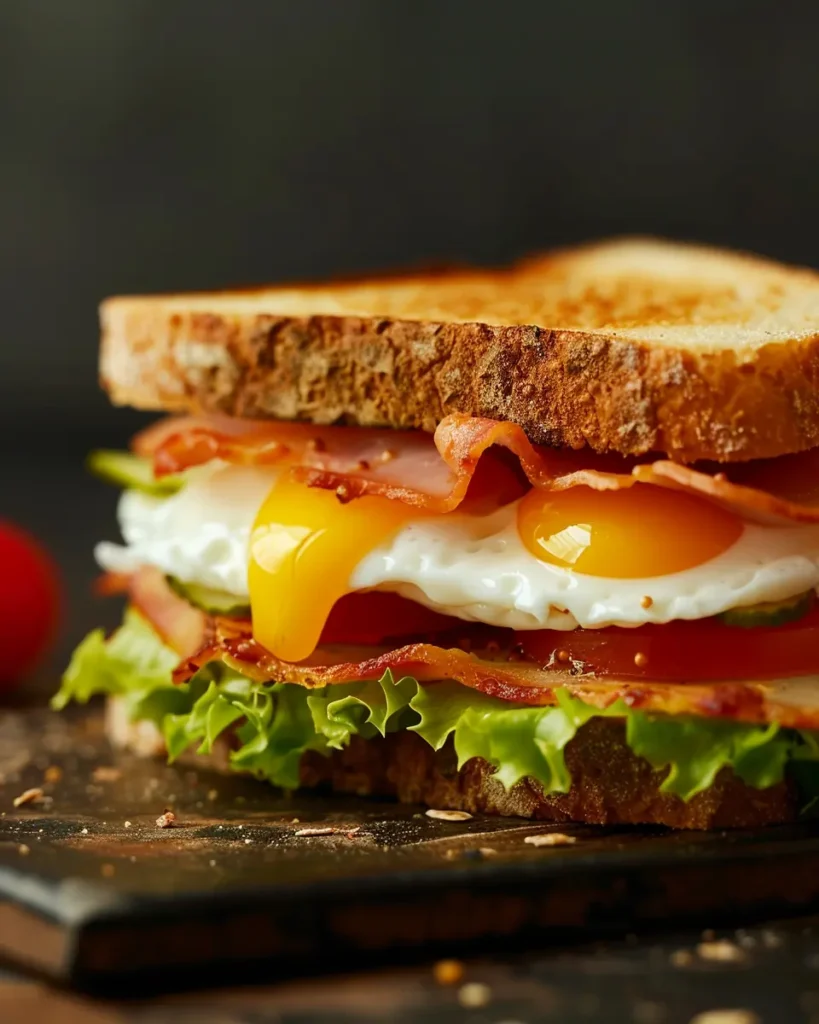
Egg-white bread occupies this zone better than any other carnivore style. What is the best carnivore bread for sandwiches? Egg-white carnivore bread usually performs best because it stays flexible while maintaining enough structure to support fillings. The tight protein matrix formed by whipped egg whites during baking creates a fine internal crumb that compresses slightly under fillings without collapsing completely. It also retains enough surface tension to be sliced thin without crumbling. That sliceability matters more than most sandwich guides acknowledge — a bread that requires thick cuts to survive handling already has a structural problem.
Flexibility
Flexibility is the most underrated structural quality. A bread that cracks when bent will split at the bite point, causing fillings to shift and the sandwich to fall apart. Cream cheese egg bread performs particularly well here because fat content increases extensibility in the egg matrix, allowing the slice to bend rather than snap. For grilled applications, this same flexibility means the bread compresses evenly against the pan surface without creating hollow air pockets.
Moisture Handling
Moisture handling is where most carnivore breads fail silently. A filling like tomato, pickles, or a sauced protein releases liquid over time, and a bread that can’t manage that moisture will soften to the point of structural failure within minutes. Pork rind-based breads and denser beef-based breads handle moisture most effectively because their denser crumb slows absorption. Egg-white breads absorb moisture faster, For deeper analysis of moisture absorption and crumb softness, see our soft carnivore bread guide. which is why they work better in cold sandwiches eaten immediately than in meal prep scenarios where the bread and filling sit together.
“The impact of moisture on protein-based foods is consistent with macronutrient stability principles outlined by the [Harvard T.H. Chan School of Public Health].
Pros and Cons of Different Carnivore Bread Styles
Fluffy and Cloud-Style Breads
Whipped-egg cloud breads have an appealing lightness that disappears the moment you add any real filling weight. The Slice Compression Effect is severe in these breads — even moderate downward pressure from a palm grip collapses the crumb structure. They are essentially decorative sandwich bread, useful for open-face presentations where structural demands are minimal and the bread is never asked to support itself from beneath.
Dense Breads
Beef-based and heavily fat-enriched dense breads solve the compression problem but introduce their own tradeoffs. A truly dense carnivore loaf offers excellent Filling Support Structure, but it chews heavily and lacks the yield that makes a sandwich feel like a sandwich rather than a block of food with things inside it. For burgers specifically, this density is actually an advantage — a beef patty, cheese, and sauce demand a platform, not a pillow, and dense bread holds its geometry under that weight.
Soft Sandwich Styles
Soft sandwich styles built on egg-white or cream-cheese bases represent the practical middle ground. They achieve Flexibility-to-Density Balance by using fat to soften a relatively tight protein crumb. These breads can be sliced to conventional sandwich thickness, pressed lightly without crumbling, and held in one hand without the bread flexing away from the filling. For most everyday sandwich applications, this is the category to focus on.
Bun-Style Breads
Carnivore buns tend to perform well for burgers and hand-held sandwiches because their geometry distributes filling weight differently than a flat slice. The dome surface resists downward compression better than a flat slice because the load spreads radially. For anyone building carnivore versions of classic burgers, [carnivore buns] are worth examining separately from sandwich loaf bread — the structural logic is meaningfully different.
Thin-Slice Options
Thin-slice options trade durability for mouthfeel. A thin-sliced egg-white bread feels closer to conventional sandwich bread in texture and bite, but requires careful handling during construction. These work well for lighter cold sandwiches but struggle with anything sauced, heavy, or warm.
If you’re consistently running into texture issues, Many sandwich structure problems begin with mixing and baking mistakes covered in our texture troubleshooting guide.
Best Recommendation Based on Sandwich Type
Burgers
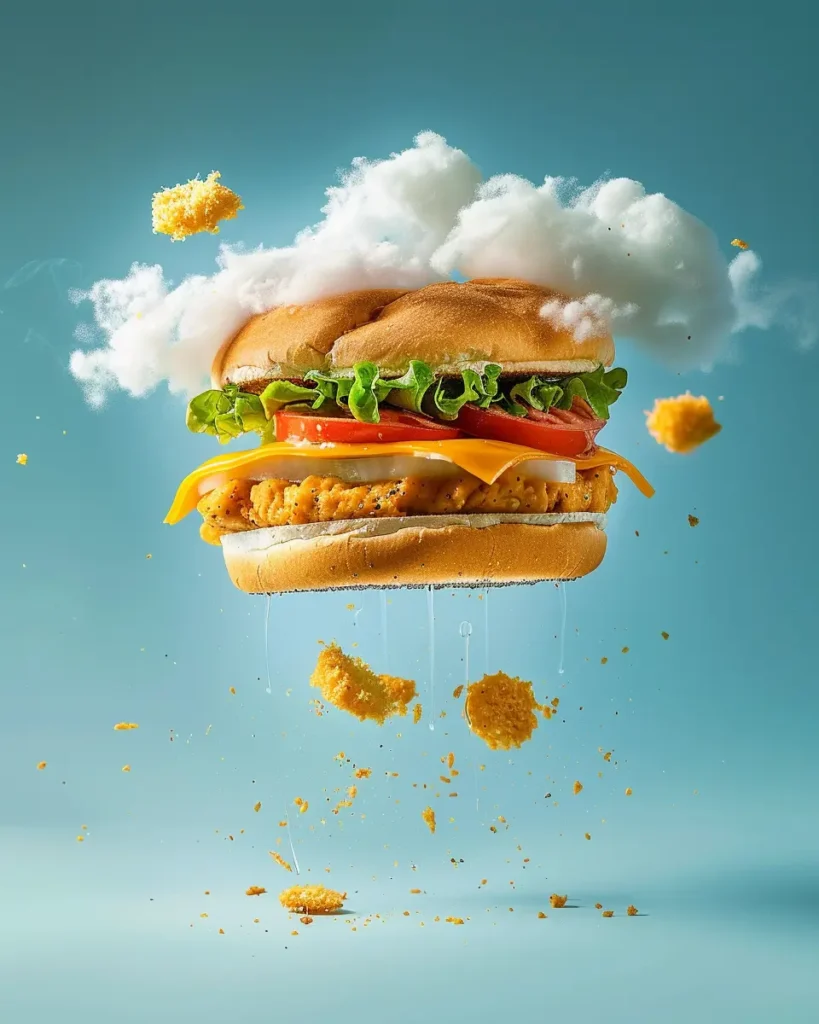
Use a dense beef-based or pork rind flour bun. These provide the Structural Fold Resistance needed when a patty, sauce, and stacked toppings are pressing down from all sides. Softness is less important than stability. A bun that holds its shape through the last bite outperforms one that feels soft initially but compresses flat before you’re done.
Cold Sandwiches
Egg-white bread is the clear choice. It slices cleanly, tolerates cold filling temperatures without becoming brittle, and stays soft enough to enjoy without toasting. Eat these within 15–20 minutes of construction for optimal texture — moisture migration from cold fillings begins quickly.
Grilled Sandwiches
Cream cheese egg bread performs best. The fat content allows it to compress evenly against a pan surface without shattering, and it develops a slight crisp exterior while remaining pliable inside. Dense breads tend to resist compression too aggressively, leaving a grilled sandwich with uneven contact and patchy browning.
Meal Prep Sandwiches
Pork rind flour bread is the most durable option for sandwiches that will sit assembled for any length of time. Its denser crumb absorbs moisture more slowly, preserving structural integrity longer than egg-white or cloud-style alternatives. This is the bread style most capable of surviving a lunch box.
Heavy Fillings
Dense bread styles — particularly beef-based options — are the only styles that reliably support fillings above a certain weight threshold. Which carnivore bread handles heavy sandwich fillings best? Dense beef-based carnivore bread supports heavy fillings most effectively because its compact crumb resists compression. Layered meat sandwiches, thick cuts, or anything with multiple sauced components need a platform with high Filling Support Structure. Soft egg-white styles will compress under this kind of load, particularly if the sandwich is hand-held rather than eaten with a knife and fork.
Soft Sandwiches
An allulose-enriched soft carnivore bread offers the most conventional sandwich experience when softness is the primary goal. These breads prioritize mouthfeel over structural performance, ideal for lighter, simpler builds — thin-sliced meat, cheese, minimal condiments — where the bread itself is meant to be a feature rather than a background structure.
Understanding which bread style matches your actual sandwich use case is the single most effective way to improve carnivore sandwich quality. Structure, flexibility, and moisture handling are the three variables that determine real-world performance — and no single carnivore bread optimizes all three simultaneously. The right choice depends entirely on what you’re building and when you plan to eat it. For a broader view of how these performance variables connect across the full range of formats, the [carnivore sandwich bread] overview covers the topic from multiple angles worth reading alongside this comparison.