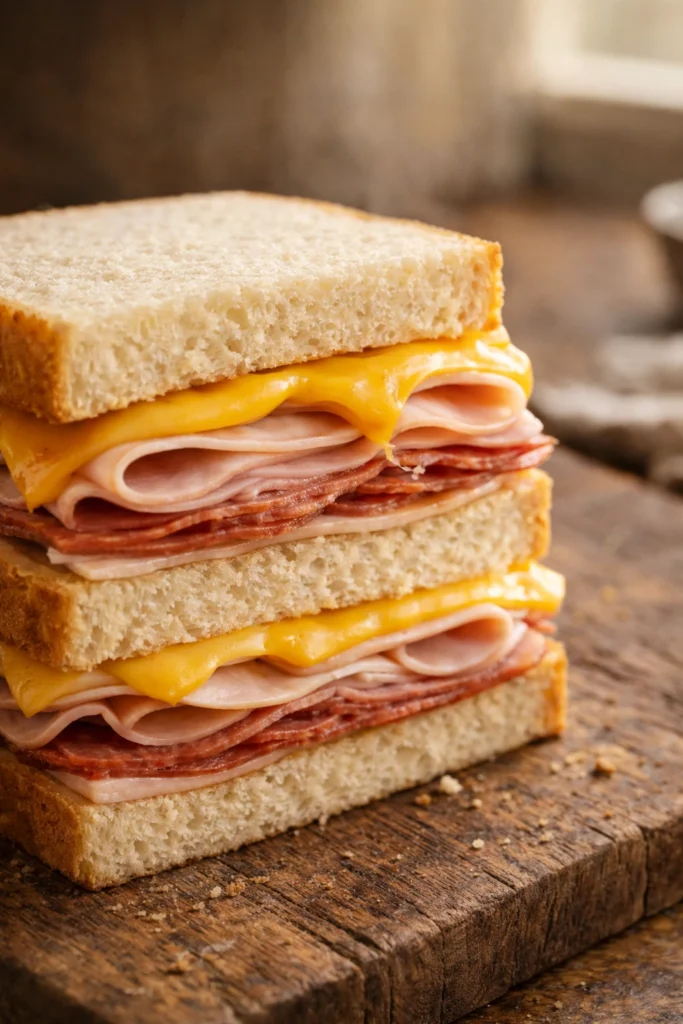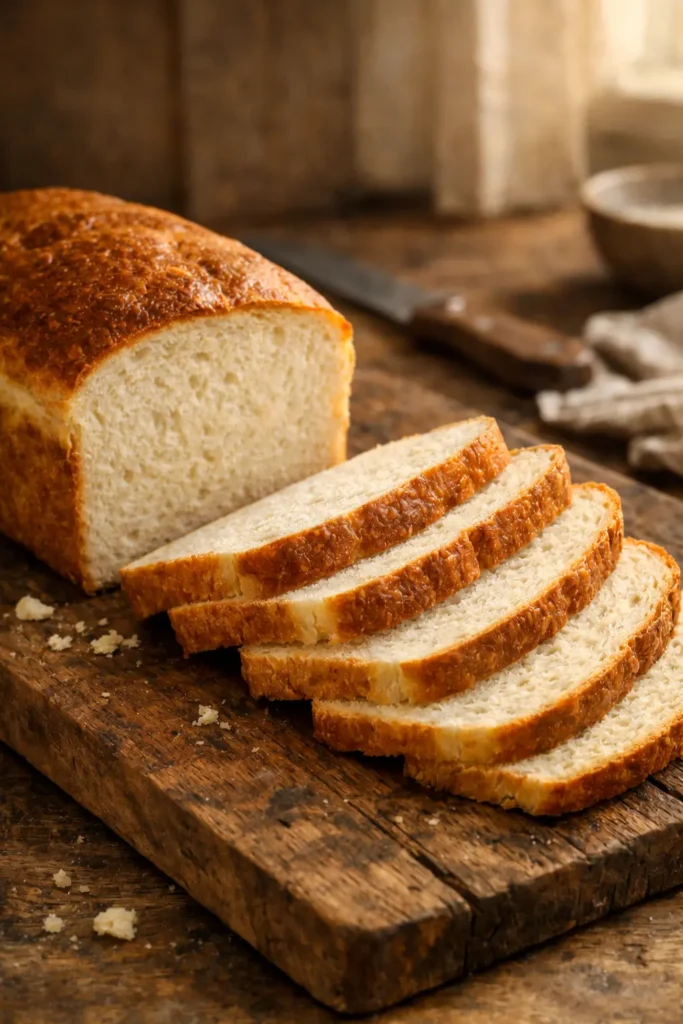
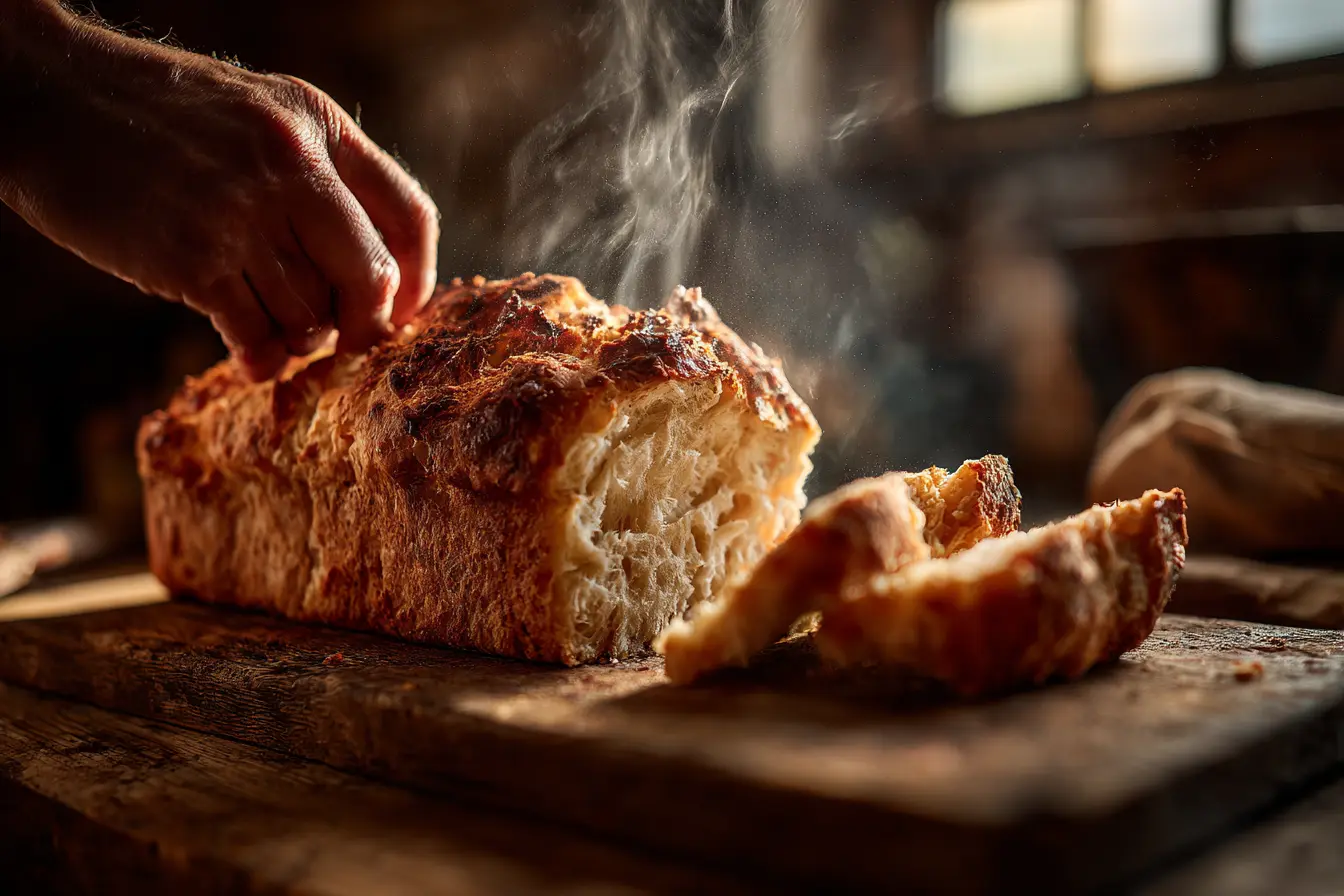
I honestly didn’t expect this carnivore bread recipe to work. Bread without flour sounds wrong, yet with just three ingredients the result is surprisingly soft, sliceable, and perfect for everyday meals.
When you first start eating carnivore, bread is usually one of the hardest things to give up. Not because you’re craving carbs necessarily, but because there’s something deeply satisfying about the ritual of making a sandwich or biting into a burger with an actual bun instead of using lettuce wraps for the hundredth time.
That’s where carnivore bread comes in. It’s not trying to be sourdough or pretend it’s a baguette. Instead, it’s a completely different category of bread made entirely from animal products like eggs, milk powder, and protein powder. The texture is unique, somewhere between a dinner roll and a protein muffin, but it works. It slices, it toasts, and most importantly, it holds a burger together without falling apart halfway through.
I’ve spent months testing different versions of carnivore bread in my own kitchen, and I can tell you that not all recipes are created equal. Some collapse the moment you try to slice them. Others taste so eggy you can barely get through a piece. But when you find the right formula with the right technique, carnivore bread becomes something you actually look forward to eating, not just tolerate because you miss sandwiches.
This guide covers everything I’ve learned about making reliable carnivore bread that actually works for daily use.
If you’re looking for a simple carnivore bread recipe that actually works, this guide will walk you through everything from ingredients to baking techniques.
Table of Contents
Table of Contents

What Is Carnivore Bread?
Carnivore bread is bread made entirely from animal-based ingredients without any flour, grains, or plant products. The most common versions use eggs as the base, combined with ingredients like milk powder, whey protein isolate, cream cheese, or cottage cheese to create structure.
The carnivore diet eliminates all plant foods, which means traditional bread is completely off limits. Carnivore bread emerged as a practical solution when people following this way of eating realized they needed something bread-like for sandwiches, burgers, and toast without breaking their dietary principles.
Unlike keto bread which often relies on almond flour or coconut flour, carnivore bread uses only animal products. This makes it automatically zero-carb or extremely low-carb depending on which dairy ingredients you include. The texture is different from wheat bread because you’re working with protein structure rather than gluten, but the function is the same.
The beauty of carnivore bread is its simplicity. Most recipes use just two or three ingredients that you probably already have if you’re eating carnivore. You don’t need specialty flours, xanthan gum, or psyllium husk. Just eggs, some form of dairy, and maybe protein powder.
Carnivore Bread vs Keto Bread: What’s the Difference?
At first glance, carnivore bread and keto bread may look similar. Both are low in carbohydrates and are often used by people trying to avoid traditional wheat-based bread. However, the philosophy behind them is quite different.
Keto bread typically relies on plant-based ingredients such as almond flour, coconut flour, flaxseed meal, or psyllium husk. These ingredients help reduce carbs while mimicking the structure of traditional bread.
Carnivore bread takes a different path. Instead of plant substitutes, it relies entirely on animal-derived ingredients like eggs, milk powder, cream cheese, cottage cheese, or protein powders derived from dairy.
Because of this approach, carnivore bread usually has a simpler ingredient list and can often be closer to zero carbs depending on the recipe.
For people following a strict carnivore diet, this distinction matters. The goal is not only to reduce carbohydrates but also to eliminate plant foods completely.
Key Ingredients Used in Carnivore Bread
Understanding what each ingredient does helps you troubleshoot when things don’t work out and also lets you customize recipes to your preferences.
Eggs: The Foundation of Structure
Eggs are the foundation of almost every carnivore bread recipe. When you beat eggs, the proteins unfold and trap air, creating lift and structure as they bake. This is what gives carnivore bread its bread-like texture instead of turning into a flat pancake.
Whole eggs contribute both structure from the whites and richness from the yolks. The yolks add fat and moisture while the whites provide the protein network that holds everything together. In recipes that call for separated eggs, you’ll beat the whites to stiff peaks first, which creates an even lighter, fluffier texture.
The protein in eggs coagulates when heated, which is why carnivore bread firms up during baking. This is the same principle that makes custards set and meringues crisp. You’re essentially building a protein matrix instead of a gluten matrix.
Fresh eggs work better than older ones because the whites whip up more reliably. If your carnivore bread turns out flat and dense, old eggs that won’t hold peaks might be part of the problem.
Milk Powder: Creating Firmness Without Moisture
Milk powder is a game-changer for carnivore bread because it adds protein and structure without adding moisture. This is crucial because too much liquid makes carnivore bread soggy and prevents it from holding together.
When you use milk powder instead of liquid milk or cream, you get the dairy proteins and fats in concentrated form. This creates firmer bread that slices cleanly and holds up to sandwich fillings without falling apart. The bread stays together better during storage too.
Heavy cream powder works similarly but creates slightly richer, denser bread. Whole milk powder produces lighter texture. Both are excellent choices depending on what you’re making. For burger buns that need to hold up to juicy patties, milk powder is ideal. For sandwich bread that needs to slice thin, it’s essential.
The lactose in milk powder does add a small amount of carbs, usually one to two grams per serving. For strict zero-carb carnivore, this might matter. For most people, it’s negligible.
Egg White Powder: Maximum Fluffiness
Egg white powder is pure protein with zero fat and zero carbs. When rehydrated and whipped, it creates incredibly fluffy carnivore bread with lots of rise and a light texture.
This ingredient became popular for carnivore bread because it eliminates the eggy taste that some people find off-putting in whole egg recipes. You get all the protein structure without the rich yolk flavor. The result is more neutral-tasting bread that works well for both sweet and savory applications.
Egg white powder needs to be beaten until stiff peaks form, which takes about ten minutes with a stand mixer. The volume it creates is impressive. You’ll start with a cup of powder and water, and end up with a bowl full of fluffy white peaks that look like meringue.
The key is not to overmix once you add any other ingredients. Fold them in gently to preserve all those air bubbles you just created. Those bubbles are what make the bread rise and stay light.
Cream Cheese: Softness and Richness
Cream cheese creates the softest, most tender carnivore bread. It adds moisture, richness, and fat while the proteins still contribute to structure. The result is bread that’s almost cake-like in texture.
Recipes using cream cheese tend to be denser than egg white versions but in a good way. They’re satisfying and filling, and they have a subtle tangy flavor that works well for both sandwich bread and burger buns. The fat content also makes them more satiating.
The downside is that cream cheese bread can be fragile when fresh. It needs to cool completely before you try to slice it, and even then it’s softer than milk powder versions. This makes it less ideal for thin sandwich slices but perfect for thicker applications like burger buns or dinner rolls.
Full-fat cream cheese works best. Low-fat versions have too much moisture and not enough fat to create proper texture. The bread will come out gummy instead of tender.
Cottage Cheese: Light and Fluffy Texture
Cottage cheese creates lighter, airier carnivore bread compared to cream cheese. The curds add tiny pockets throughout the bread that create a more open crumb structure similar to traditional bread.
For best results, blend cottage cheese smooth before mixing into your batter unless you specifically want visible curds in the finished bread. Some people like the texture the curds add, others prefer completely smooth bread.
Drain cottage cheese well before using it. The excess liquid can make your bread too wet and prevent it from setting properly. Squeeze it gently through cheesecloth or a fine-mesh strainer to remove extra moisture.
Full-fat cottage cheese creates better texture than low-fat versions. The fat contributes to tenderness and helps the bread brown nicely during baking.
Most Popular Types of Carnivore Bread
Different recipes serve different purposes. Understanding which version to use for what application makes a huge difference in your results.
Three Ingredient Carnivore Bread
The standard three ingredient carnivore bread uses eggs, cottage cheese or cream cheese, and baking powder. Some versions substitute milk powder for the cheese. These recipes became popular because they’re incredibly simple and use ingredients most people already have.
The texture of three ingredient carnivore bread is soft and slightly spongy. It works well for burger buns and dinner rolls but can be too delicate for thin sandwich slices. When you bite into it fresh from the oven, it’s tender and almost fluffy. After a day in the fridge, it firms up and becomes easier to handle.
I’ve found that cottage cheese creates lighter texture than cream cheese in these recipes. The curds add tiny pockets of moisture that make the bread less dense. Blending the cottage cheese smooth before mixing helps if you don’t want visible curds in your bread.
The baking powder is technically not carnivore since it usually contains cornstarch, but many people include it anyway for better rise. If you’re strict about ingredients, you can skip it, but the bread will be denser.
Two Ingredient Carnivore Bread
Two ingredient carnivore bread typically uses just eggs and one other ingredient, usually cream cheese or cottage cheese. No baking powder, no protein powder. Just protein and fat creating structure through heat.
This version is denser and more compact than three ingredient versions. The texture reminds me of a frittata shaped like bread. It’s firm, sliceable, and holds together well, but it doesn’t have the light, airy quality of versions with whipped egg whites or baking powder.
You can also experiment with other simple animal-based recipes like our 2 Ingredient Carnivore Bread.
The benefit is simplicity and fewer ingredients to keep on hand. The downside is limited rise and a more egg-forward flavor. These work well cut thick and toasted, or used as a base for open-faced sandwiches where you’re not expecting traditional bread texture.
If you’re making two ingredient carnivore bread, use room temperature ingredients and blend everything completely smooth. Any lumps of cream cheese will create pockets that don’t set properly.
Carnivore Bread with Milk Powder
Carnivore bread with milk powder creates the firmest, most sliceable texture of all the variations. This is the version I reach for when I’m making actual sandwich bread that needs to hold up to layers of deli meat and cheese.
The milk powder absorbs moisture and creates a stable protein network that slices cleanly even when cut thin. You can make an entire loaf, let it cool completely, and slice it just like regular bread. The slices hold their shape and don’t tear or compress when you build a sandwich.
This version bakes up with a slightly golden crust and a tender interior. The texture is firm but not dry, and the flavor is mild with just a hint of dairy sweetness. After toasting, it gets crispy edges while staying soft in the middle.
For best results, use heavy cream powder if you can find it. It creates richer bread with better structure than whole milk powder. Either way, the bread stores beautifully in the fridge for up to a week without getting soggy.
Milk powder is also used in several other carnivore baking recipes like our Carnivore Cream Puffs.
Carnivore Sandwich Bread
Carnivore sandwich bread is specifically formulated to be sliced thin and hold stacked fillings. The difference between this and regular carnivore bread is all about structure and moisture content.
Good sandwich bread needs to be firm enough that it doesn’t compress when you bite down, but soft enough that it’s not tough to chew. It needs to resist moisture from ingredients like tomatoes or condiments without getting soggy. And it absolutely has to slice cleanly without tearing or crumbling.
The best carnivore sandwich bread recipes use milk powder or whey protein isolate to create that firm texture. They’re baked in loaf pans to create the rectangular shape you need for uniform sandwich slices. The cooling process is crucial because the structure continues to set as the bread cools.
I always slice my carnivore sandwich bread when it’s completely cool, using a serrated knife with a gentle sawing motion. Trying to slice it warm just compresses the texture and creates gummy, uneven pieces.
For a fully sliceable loaf that works perfectly for meal prep sandwiches, you can also check our Carnivore Sandwich Bread recipe.
Carnivore Burger Buns
Carnivore burger buns need different qualities than sandwich bread. They need to be sturdier to handle juicy burgers, but they also need to be tender enough that you’re not fighting through tough bread to get to your burger.
The best burger bun recipes are slightly denser than dinner roll versions. They’re shaped round and flat rather than tall and fluffy. This creates the right proportions for burgers and gives you more surface area to toast.
When I make carnivore burger buns, I shape them using silicone molds or by forming rounds on parchment paper. The batter should be thick enough to hold a mounded shape rather than spreading into flat puddles. If your batter is too thin, it will spread during baking and you’ll end up with pancakes instead of buns.
Toast the buns before using them for burgers. This creates a slight crust that helps resist moisture from the burger juices. Even a quick pass under the broiler makes a difference.
If you want a detailed step-by-step version specifically designed for burgers, you can read our guide to 3 Ingredient Carnivore Burger Buns.
Carnivore Bread Loaf
A carnivore bread loaf is exactly what it sounds like: carnivore bread baked in a loaf pan to create a sliceable rectangular shape. This is the most practical format for everyday use because you get uniform slices that work for sandwiches, toast, or just eating plain with butter.
Loaf format also helps with structure. The pan supports the sides while the bread bakes, allowing it to rise up rather than spreading out. You end up with taller bread that slices into more pieces.
The key to good carnivore bread loaves is not overfilling the pan. Fill it about halfway to two-thirds full, which allows room for rise without spilling over. Tap the pan on the counter before baking to release air bubbles that could create holes in the finished loaf.
Let the loaf cool completely in the pan before attempting to remove it. The structure is fragile when hot and firms up as it cools. After about fifteen minutes in the pan, you can lift it out using parchment paper overhang if you lined the pan properly.
If you’re looking for a simple carnivore bread recipe you can make at home, this three-ingredient version is the easiest place to start.
Easy Carnivore Bread Recipe Anyone Can Make
If you want to try carnivore bread for the first time without overthinking it, this basic recipe is where to start. It uses three simple ingredients and comes together in less than thirty minutes.
Ingredients

3 large eggs
1 cup milk powder (whole milk powder or heavy cream powder)
1 teaspoon baking powder
Instructions
- Preheat the oven to 350 degrees Fahrenheit.
- In a bowl, whisk the eggs until slightly frothy.
- Add the milk powder and baking powder and mix until a thick batter forms.
- Pour the batter into a parchment-lined loaf pan.
- Bake for 20 to 25 minutes until the top is golden and the bread springs back when touched.
- Allow the bread to cool completely before slicing.
This version creates firm, sliceable bread with a mild flavor. The texture is denser than versions with whipped egg whites but still tender enough to enjoy. It works best for sandwiches and toast rather than burger buns. The milk powder keeps it from being too eggy, and it slices cleanly once cooled. This is my go-to recipe when I need carnivore bread fast without pulling out the stand mixer.
How to Make Carnivore Bread: Step-by-Step Guide
Making carnivore bread successfully comes down to technique more than ingredients. Here’s what actually works based on testing countless batches.
Choosing Your Recipe
Start with your end use in mind. Are you making burger buns, sandwich bread, or dinner rolls? This determines which recipe to use.
For burgers, choose a recipe with milk powder or cream cheese for stability. For sandwich bread, milk powder creates the best slicing texture. For soft dinner rolls, cottage cheese or whipped egg whites create the lightest result.
Read through the entire recipe before starting. Carnivore bread often requires steps like whipping egg whites or letting things rest that you need to plan for.
You can also shape the dough into smaller portions similar to our Carnivore Dinner Rolls, which work perfectly as a soft carnivore side dish.
Preparing Ingredients
All ingredients should be at room temperature unless the recipe specifically says otherwise. Cold eggs don’t whip as well and cold cream cheese doesn’t blend smoothly.
If your recipe calls for separated eggs, separate them while they’re cold from the fridge, then let them come to room temperature. Cold eggs separate more easily, but room temperature whites whip to greater volume.
Measure precisely. Carnivore bread relies on specific ratios of protein to moisture. Too much liquid and your bread won’t set. Too little and it will be dry and dense.
Mixing the Batter

This is where technique matters most. If your recipe calls for whipped egg whites, beat them until stiff peaks form before adding anything else. The peaks should stand straight up when you lift the beaters, not droop over.
When combining whipped whites with other ingredients, fold them in gently. Use a spatula and cut down through the center, then fold over the top. Rotate the bowl and repeat. You want to preserve as much air as possible.
For blender recipes, blend just until smooth. Over-blending can create too much foam or break down the protein structure. The batter should be thick and pourable, not thin like pancake batter.
Baking Temperature and Time
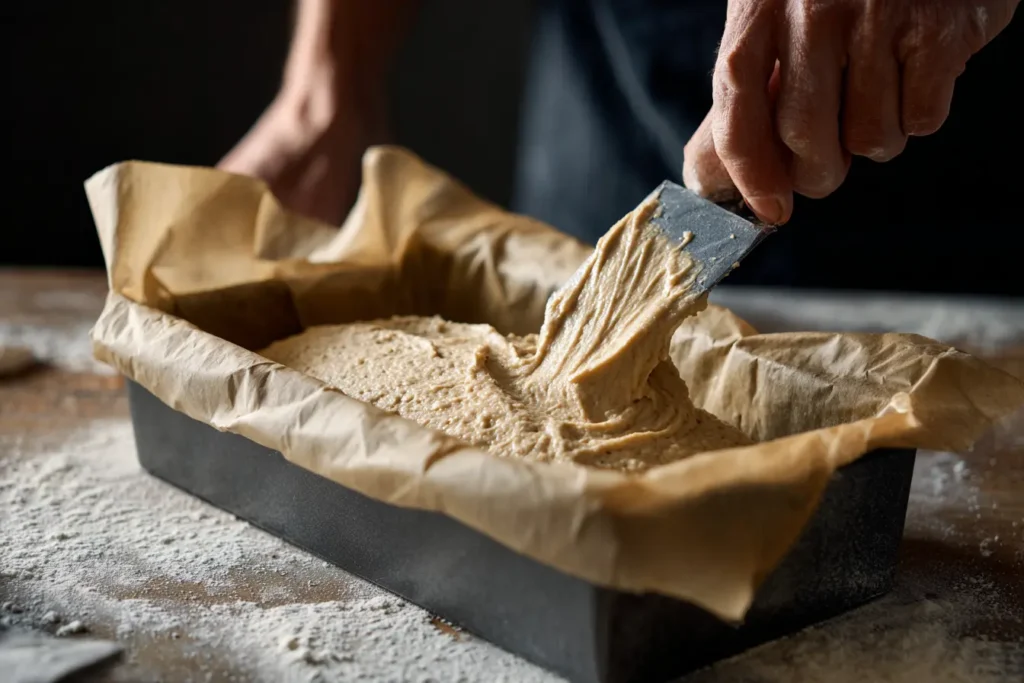
Most carnivore bread bakes at 350 degrees Fahrenheit. This moderate temperature cooks the proteins through without burning the outside before the inside sets.
Baking time varies based on recipe and pan size, but most carnivore bread takes twenty-five to forty minutes. Small muffin-sized portions take less time, full loaves take more.
The bread is done when the top is golden brown and springs back when you press it gently. A toothpick inserted in the center should come out clean or with just a few moist crumbs, not wet batter.
Don’t open the oven door for at least the first twenty minutes. Carnivore bread is delicate while baking and a rush of cold air can cause it to collapse.
Cooling and Storing
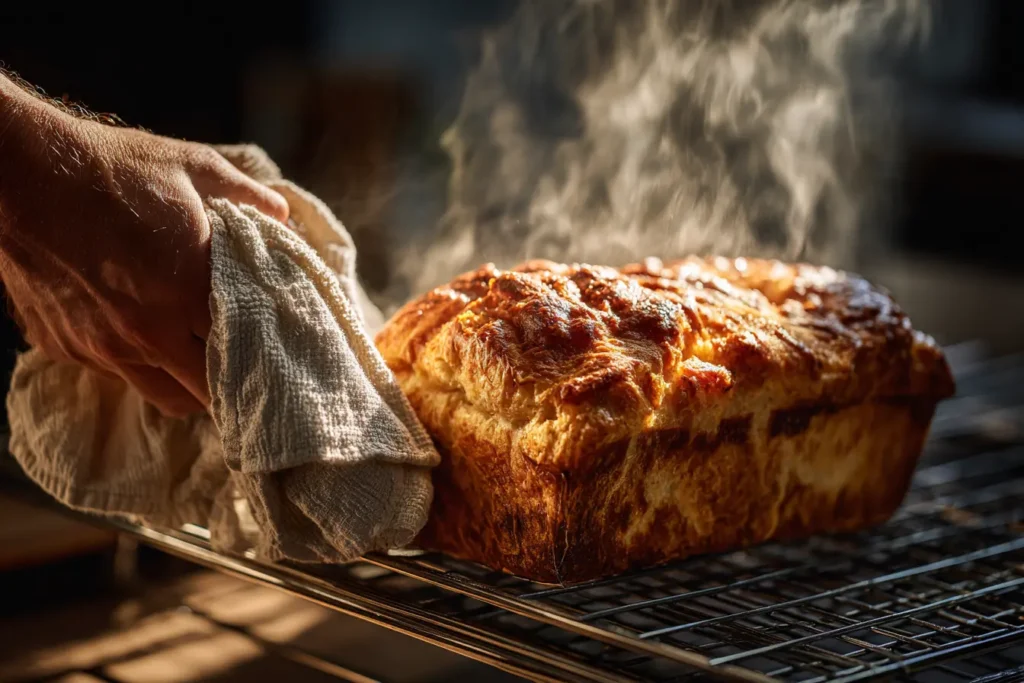
This is the step people most often mess up. You must let carnivore bread cool completely before slicing. The protein structure continues to set as it cools, and slicing too early gives you gummy, compressed bread.
Let it cool in the pan for ten minutes, then remove to a cooling rack. Wait at least thirty minutes, ideally an hour, before slicing.
Store carnivore bread in the refrigerator in an airtight container or zip-top bag. It keeps for five to seven days. The texture actually improves after a day as it firms up slightly.
For longer storage, slice the bread and freeze individual portions. You can toast slices directly from frozen.
Print
3 Ingredient Carnivore Bread Recipe
- Prep Time: 10 minutes
- Cook Time: 25 minutes
- Total Time: 35 minutes
- Yield: 1 loaf (8 slices)
- Category: Bread
- Method: baking
- Cuisine: Carnivore Diet
- Diet: Gluten Free
Description
Ingredients
1 cup milk powder
1 teaspoon baking powder
Instructions
2. Whisk eggs in a bowl until slightly frothy.
3. Add milk powder and baking powder.
4. Mix until thick batter forms.
5. Pour batter into parchment lined loaf pan.
6. Bake for 20–25 minutes.
7. Cool completely before slicing.
Notes
Nutrition
- Serving Size: 1 slice
- Calories: 105 kcal
- Sugar: 2 g
- Sodium: 160 mg
- Fat: 4.5 g
- Saturated Fat: 2.1 g
- Unsaturated Fat: 2.2 g
- Trans Fat: 0 g
- Carbohydrates: 4 g
- Fiber: 0 g
- Protein: 7 g
- Cholesterol: 80 mg
Keywords: 3 Ingredient Carnivore Bread Recipe
Common Problems and How to Fix Them
Every cook who makes carnivore bread runs into these issues eventually. Here’s how to solve them.
Bread Won’t Rise or Stays Flat
Flat carnivore bread usually means your eggs weren’t whipped enough or you deflated them during mixing. If the recipe calls for stiff peaks, they need to actually be stiff. When you lift the beaters or whisk, the peaks should stand straight up.
Old eggs that don’t whip well can also cause this. Fresh eggs create more stable foam.
Another cause is expired baking powder if your recipe uses it. Test your baking powder by dropping a spoonful in hot water. If it doesn’t fizz vigorously, it’s dead.
Bread Collapses After Baking
This happens when you remove the bread from the oven too early or cut into it before it’s completely cool. The protein structure needs that cooling time to fully set.
It can also happen if your oven temperature is too high. The outside sets and browns before the inside cooks through. When the outside can’t expand anymore but the inside is still liquid, everything collapses.
Use an oven thermometer to verify your actual temperature. Many ovens run hotter or cooler than the dial indicates.
Texture Is Too Dense or Rubbery
Dense carnivore bread comes from too much protein powder or not enough eggs. Check your measurements carefully.
It can also result from overmixing after adding whipped egg whites. Every stir deflates air bubbles, and air bubbles are what create lightness. Mix just until combined.
Rubbery texture specifically suggests overcooking. The proteins tightened too much from extended heat. Reduce your baking time by five minutes next time.
Bread Tastes Too Eggy
Some egginess is normal in carnivore bread since eggs are the main ingredient. But overwhelming egg taste usually means you’re using whole eggs when whipped egg whites would work better.
Egg white powder or separated eggs beaten to peaks create much milder-tasting bread than whole eggs. The yolks are what carry most of the egg flavor.
Adding a pinch of salt helps balance flavors and makes bread taste less eggy. Toasting also reduces the egg taste significantly.
Bread Is Gummy or Won’t Set
Gummy carnivore bread means too much moisture or underbaking. If you used cottage cheese or cream cheese, you might have added too much or used a wetter brand than the recipe was tested with.
Drain cottage cheese well before using it. Squeeze out excess liquid through cheesecloth if it’s particularly wet. Use full-fat cream cheese, not low-fat or whipped versions that have more moisture.
Bake longer. Even if the top looks done, the inside might still be wet. Go by internal temperature if you have an instant-read thermometer. It should reach at least 180 degrees Fahrenheit in the center.
Best Uses for Carnivore Bread
Knowing how to use carnivore bread effectively makes it more practical for daily life.
Sandwiches
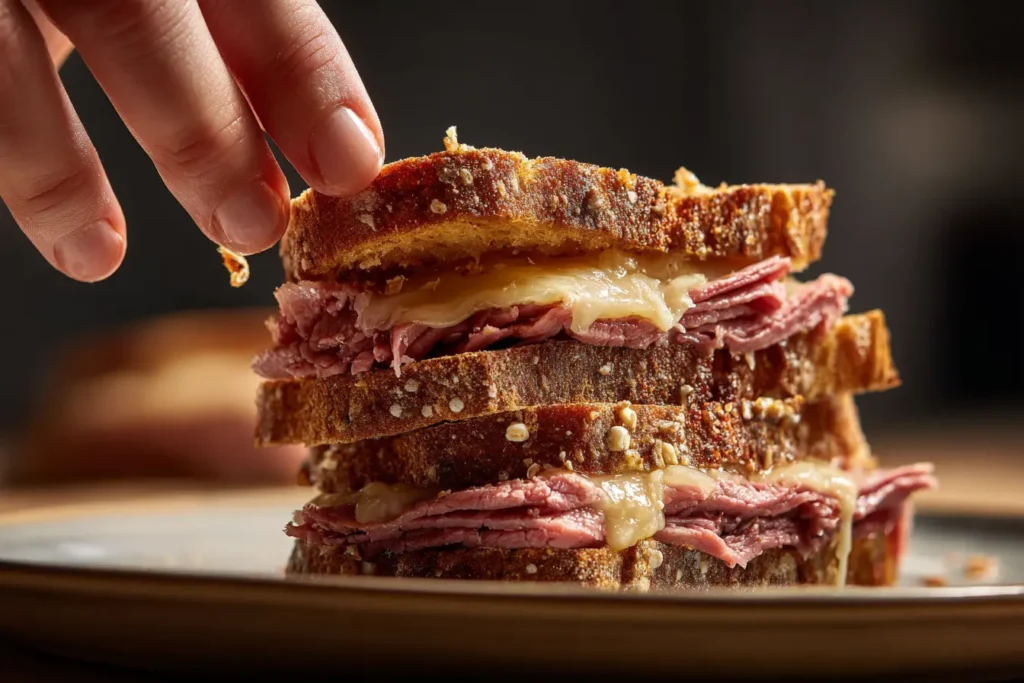
Carnivore bread works beautifully for sandwiches when you choose the right version. Use milk powder bread for the best structure. Let it cool completely and slice it thin with a serrated knife.
The bread holds up well to cold sandwich fillings like deli meat and cheese. For hot sandwiches or anything with moisture, toast the bread first to create a protective barrier.
Make sandwiches in advance for meal prep by assembling them with a layer of cheese or lettuce against the bread as a moisture barrier, then adding wetter ingredients in the middle.
Burgers
This is where carnivore burger buns shine. Shape them slightly larger than your burger patties so they overhang a bit. Toast the cut sides before assembling the burger.
The buns hold up surprisingly well to juicy burgers, especially if you toast them properly. They won’t be as sturdy as wheat buns, but they’re far superior to lettuce wraps.
For best results, let the burger rest a minute before putting it on the bun. This lets the juices settle instead of immediately soaking into the bread.
Toast
Carnivore bread toast is actually excellent. The toasting process creates texture that feels more bread-like and reduces any eggy flavor. Spread with butter, ghee, or cream cheese.
Thicker slices toast better than thin ones. Cut about half an inch thick for perfect toast that gets crispy outside while staying slightly soft in the middle.
A toaster oven or regular oven works better than a pop-up toaster. You have more control over the browning and less risk of burning.
Meal Prep
Carnivore bread is excellent for meal prep because it stores well and actually improves in texture after a day. Bake a full loaf on Sunday, slice it, and refrigerate or freeze portions.
Pre-slice the entire loaf with parchment paper between slices so you can grab individual pieces easily. This works perfectly for quick breakfasts or packed lunches.
Make multiple loaves at once if you have the oven space. Carnivore bread freezes beautifully and thaws quickly at room temperature or in the toaster.
Carnivore Bread Calories and Macros
Understanding the nutritional breakdown of carnivore bread helps you see how it fits into your daily eating plan and why it works so well for low-carb diets.
The exact calories and macros depend on which ingredients you use. A slice made with eggs and milk powder will be different from one made with cream cheese. But here’s what a typical slice looks like:
Calories: 70 to 120
Protein: 6 to 10 grams
Carbohydrates: 0 to 2 grams
Fat: 3 to 7 grams
Compare this to regular wheat bread which contains about 80 calories per slice with 15 grams of carbs and only 3 grams of protein. Carnivore bread flips the ratio completely. You’re getting double or triple the protein with essentially zero carbs.
This high protein content is why carnivore bread is so popular for low-carb and carnivore diets. It actually fills you up and provides nutritional value rather than just being empty calories. Two slices give you the same protein as two eggs, making it a legitimate part of your meal rather than just a vehicle for other foods.
The fat content varies based on whether you use whole eggs versus egg whites, and whether you include cream cheese or just milk powder. Higher fat versions are more satiating but also more calorie-dense. Neither is better or worse, just different depending on your goals.
What Is the Best Carnivore Bread Recipe?
There is no single “perfect” carnivore bread recipe that works for every situation. The best version depends on how you plan to use the bread.
For sandwiches, carnivore bread made with milk powder tends to work best. It creates a firmer structure that slices cleanly and holds fillings without falling apart.
For burger buns, recipes that include cream cheese or cottage cheese usually produce a softer texture that pairs better with juicy burgers.
If you prefer a lighter texture, recipes that use whipped egg whites or egg white powder can create a fluffier result.
For beginners, the easiest place to start is a simple three-ingredient carnivore bread recipe using eggs, milk powder, and baking powder. It’s quick to prepare and very reliable.
Nutritional Benefits of Carnivore Bread
Understanding what you’re getting nutritionally helps you see why carnivore bread works well within this way of eating.
High Protein Content
Carnivore bread is essentially protein-dense food shaped like bread. Most versions deliver eight to twelve grams of protein per serving, which is substantially more than wheat bread provides.
This protein comes from complete animal sources with all essential amino acids. Eggs and dairy both offer highly bioavailable protein that your body can actually use efficiently.
The high protein content makes carnivore bread genuinely filling rather than just empty calories. A couple slices can be a satisfying snack or meal component that actually holds you over.
Zero or Very Low Carb
Most carnivore bread is completely zero-carb when made with eggs and egg white powder. Versions with milk powder have one to two grams of carbs per serving from lactose.
Compare this to regular bread at fifteen to twenty grams of carbs per slice. For anyone managing blood sugar or following a ketogenic approach within carnivore, this makes a massive difference.
You can include carnivore bread in your daily meals without worrying about carb counts or glucose spikes. It provides the function and satisfaction of bread without the metabolic impact.
Good Source of Healthy Fats
Carnivore bread made with whole eggs, cream cheese, or milk powder contains healthy fats from animal sources. These include omega-3s from eggs and conjugated linoleic acid from dairy.
The fat content makes the bread satisfying and helps with absorption of fat-soluble vitamins. It also provides sustained energy without the blood sugar roller coaster of carb-based bread.
Compared to bread made with vegetable oils, the fat profile in carnivore bread is superior for health and satiety.
Who Should Try Carnivore Bread?
Carnivore bread is most often associated with the carnivore diet, but many different people find it useful in their kitchens.
People following a carnivore lifestyle use it as a replacement for traditional bread when making burgers or sandwiches.
Low-carb and ketogenic eaters sometimes experiment with carnivore bread because it contains very few carbohydrates.
Athletes and people focusing on high-protein meals may also appreciate carnivore bread since it delivers significantly more protein than traditional bread.
Finally, individuals who avoid gluten or grains often find carnivore bread to be a convenient alternative that still works for everyday meals.
Carnivore Bread Storage and Shelf Life
Proper storage makes a huge difference in how long your carnivore bread stays fresh and how good it tastes when you eat it.
Refrigerator Storage
Carnivore bread keeps for five to seven days when stored properly in the refrigerator. Use an airtight container or a zip-top bag to prevent it from drying out or absorbing odors from other foods.
The texture actually improves after a day in the fridge. The bread firms up slightly, making it easier to slice and handle. The flavors also meld together, reducing any eggy taste that might have been present when it was fresh.
Pre-slice your loaf before refrigerating if you want grab-and-go convenience. Stack the slices with parchment paper between them so they don’t stick together. This way you can pull out one or two slices at a time without having to slice a whole cold loaf.
Freezing Carnivore Bread
Freezing is the best option for long-term storage. Carnivore bread freezes beautifully for up to three months without losing quality.
Always slice the bread before freezing. Wrap individual slices in plastic wrap or parchment paper, then place them all in a freezer bag. This lets you pull out exactly how many slices you need without thawing the entire loaf.
You can toast carnivore bread directly from frozen. No need to thaw first. Just add an extra minute to your toasting time and it comes out perfect. This makes frozen carnivore bread incredibly convenient for quick breakfasts or last-minute sandwiches.
Reheating Tips
Toasting is the best way to reheat carnivore bread and actually improves the texture. The heat crisps up the outside while warming the inside, making it taste fresher than eating it cold from the fridge.
A toaster oven gives you the most control. Set it to medium heat and toast for two to three minutes until the edges start to brown. Regular toasters work too, but watch carefully since carnivore bread can burn faster than wheat bread.
Toasting also significantly reduces any eggy flavor that bothers some people. The browning reactions create new flavors that mask the egg taste. If you find your carnivore bread too eggy when fresh, try toasting it before giving up on the recipe.
Frequently Asked Questions About Carnivore Bread
These are the questions that come up most often when people start making carnivore bread.
Is Carnivore Bread Actually Zero Carb?
Pure egg-based carnivore bread is zero carb. Versions with milk powder or heavy cream powder contain one to two grams of carbs per serving from lactose. Whether this matters depends on how strictly you’re following carnivore.
For most people eating carnivore, these minimal carbs from dairy are acceptable. For strict zero-carb or therapeutic purposes, stick to egg and egg white powder versions without any dairy.
Can I Make Carnivore Bread Without Protein Powder?
Yes, but the texture will be different. Whey protein isolate creates structure and firmness that’s hard to replicate without it. Recipes without protein powder tend to be softer and more delicate.
Two ingredient carnivore bread made with just eggs and cream cheese or cottage cheese works fine without protein powder. It’s just denser and more egg-forward in flavor.
If you don’t have protein powder and a recipe calls for it, you can’t just omit it without adjusting other ingredients. Look for a recipe specifically designed without it.
Does Carnivore Bread Taste Like Regular Bread?
No, and it’s important to have realistic expectations. Carnivore bread tastes like eggs and dairy formed into bread shape. It has its own identity rather than being an exact replacement for wheat bread.
The texture is different too. It’s softer and more delicate than crusty sourdough, denser than white sandwich bread, and somewhere in between traditional bread and a protein muffin.
That said, many people genuinely enjoy carnivore bread for what it is rather than comparing it to wheat bread. After you’ve been carnivore for a while, you stop missing the comparison.
How Long Does Carnivore Bread Last?
Refrigerated carnivore bread stays good for five to seven days in an airtight container. The texture actually improves after a day as it firms up slightly and the flavors meld.
Frozen carnivore bread keeps for two to three months. Slice it before freezing so you can pull out individual pieces as needed. Toast directly from frozen.
At room temperature, carnivore bread only lasts two to three days before it starts to deteriorate. The high moisture content from eggs makes it prone to spoilage without refrigeration.
Can I Use Cottage Cheese Instead of Cream Cheese?
Usually yes, but they create different textures. Cottage cheese produces lighter, fluffier bread with a subtle tang. Cream cheese creates denser, richer bread.
When substituting, use the same amount by weight or volume. Cottage cheese has more moisture, so drain it well before using it in recipes designed for cream cheese.
Blend cottage cheese smooth before mixing if you don’t want visible curds in your finished bread. Some people like the little pockets of texture the curds create, others prefer it completely smooth.
Why Do I Need to Let It Cool Completely?
The protein structure in carnivore bread continues to set and firm up during cooling. If you slice it while it’s still warm, the structure hasn’t fully formed yet. The bread will compress, tear, and have a gummy texture.
Cooling also allows steam to escape. Hot bread has steam trapped inside that makes it seem wet and sticky. As it cools and the steam escapes, the texture improves dramatically.
Think of it like letting a steak rest after cooking. The resting time is part of the cooking process, not optional.
Is Carnivore Bread Worth Making?
For many people following carnivore or low-carb diets, carnivore bread becomes a surprisingly practical kitchen staple.
It allows you to recreate familiar foods like sandwiches and burgers without relying on grains or traditional flour.
While it will never taste exactly like bakery bread, its high protein content and low carbohydrate profile make it an extremely useful alternative.
Once you learn the basic technique, making carnivore bread becomes simple, affordable, and easy to adapt for different recipes.
Final Thoughts on Making Great Carnivore Bread
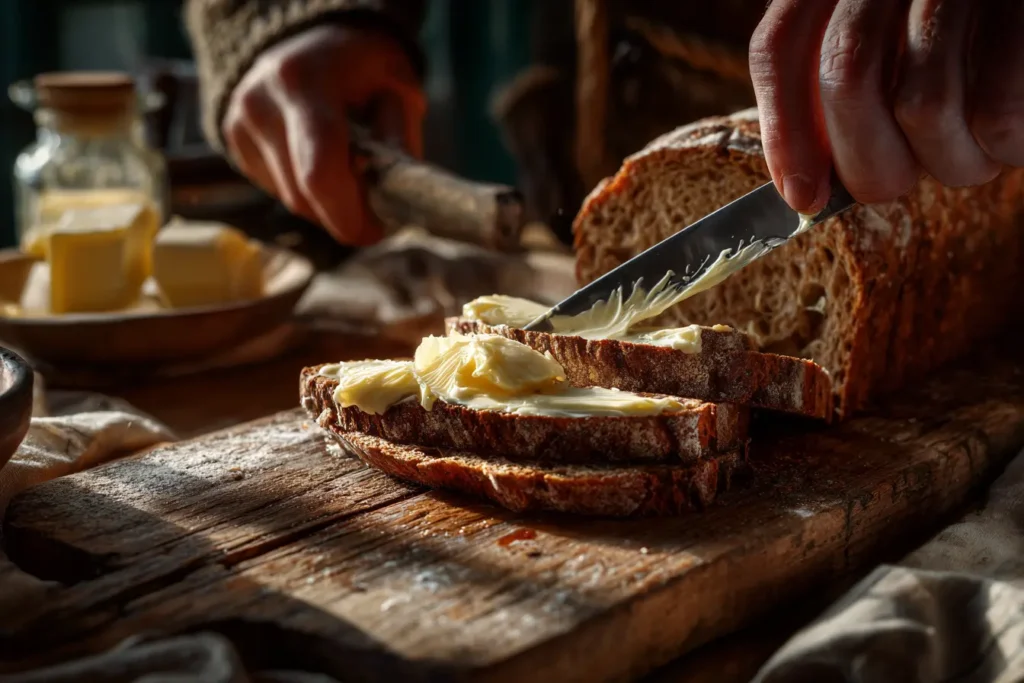
Carnivore bread isn’t perfect, but it doesn’t need to be. It needs to be functional, practical, and good enough that you’ll actually use it instead of going back to lettuce wraps or giving up and eating regular bread.
The best carnivore bread recipe is the one that fits your needs and the one you’ll actually make consistently. For some people, that’s simple two-ingredient versions. For others, it’s elaborate loaves with milk powder that slice perfectly for sandwiches.
Start with a basic three-ingredient recipe to learn how carnivore bread behaves. Once you understand the basics of how eggs create structure and what different ingredients contribute, you can experiment with variations.
Pay attention to technique more than ingredients. Whipping eggs properly, folding carefully, baking at the right temperature, and cooling completely all matter more than using the exact brand of cream cheese or protein powder.
Most importantly, adjust your expectations. Carnivore bread is a tool that makes carnivore eating more sustainable and enjoyable. It’s not trying to be artisan sourdough. It’s trying to let you eat a sandwich or burger without compromising your diet. At that job, it succeeds brilliantly.
- Carnivore Bread Recipe: The Complete Guide to Low-Carb Carnivore Bread

- Carnivore Egg Buns (3 Ingredients, No Whey) – Soft & Light Zero-Carb Option

- 3 Ingredient Carnivore Sandwich Bread – Zero Carb Loaf That Holds Fillings
- Carnivore Bread with Milk Powder (3 Ingredients): Firm, Sliceable Zero-Carb Loaf