
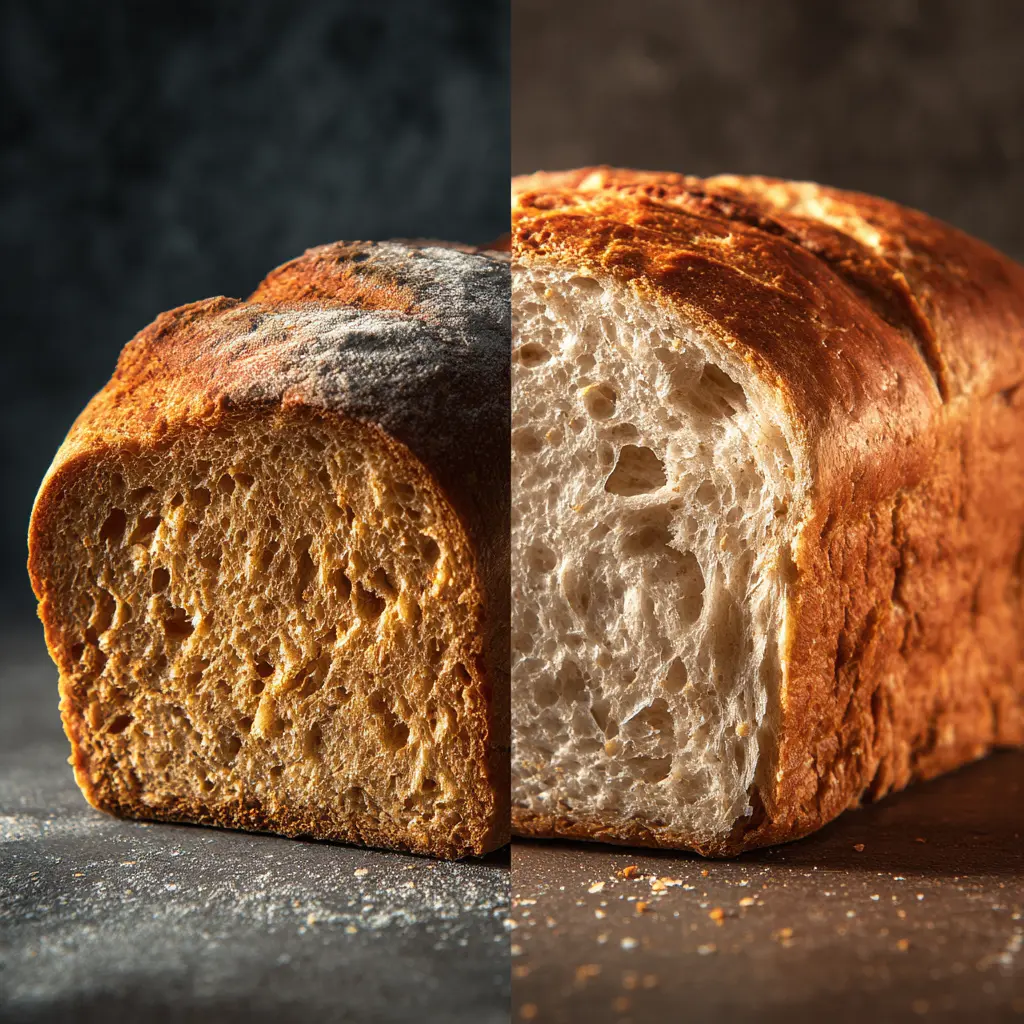
Carnivore bread becomes dense mainly because egg whites lose their structure or the batter is too heavy to rise properly. The most common causes are overmixing, incorrect ingredient ratios, and the wrong baking temperature. The good news: every single one of these is fixable — and once you understand why density happens, it stops happening.
Table of Contents
Why Carnivore Bread Is Dense (Quick Answer)
Dense carnivore bread always traces back to one root problem: not enough air got in, or the air that got in was destroyed before baking set the structure.
Unlike wheat bread, carnivore bread has no gluten, no yeast, and no starch. Egg whites are the only thing creating lift. When that foam is compromised at any stage — whipping, folding, or baking — the result is a heavy, compact loaf with no internal structure.
The five most common causes:
- Weak egg white foam — whites not whipped to true stiff peaks
- Overmixing the batter — air bubbles destroyed during folding
- Too much cream cheese — batter too heavy for the foam to lift
- Wrong oven temperature — structure collapses before it sets
- Incorrect ratios — imbalance between eggs and fat ingredients
Main Causes of Dense Carnivore Bread
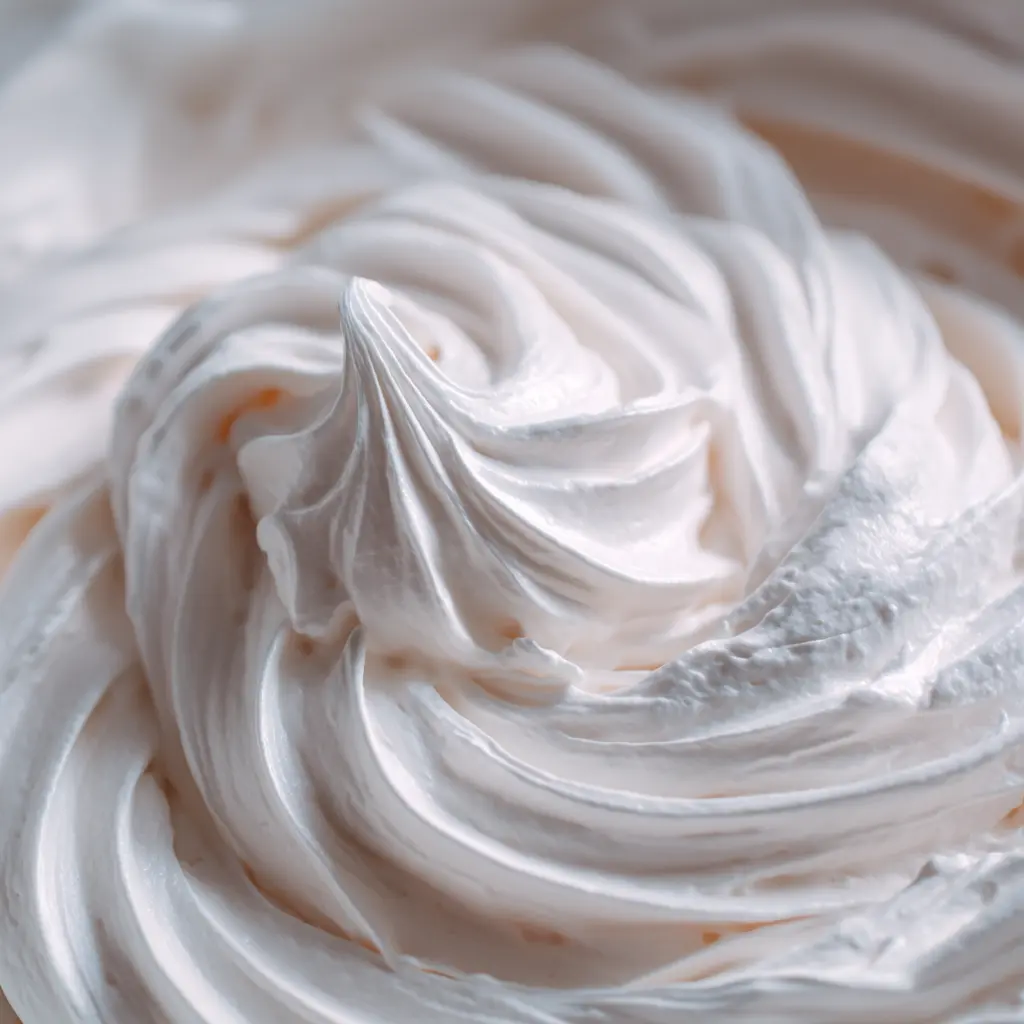
Carnivore bread is dense when the egg-based structure fails to trap enough air before baking sets the shape. Every cause of density is a variation of this single failure — something went wrong with the air.
| Cause | What Happens |
|---|---|
| Weak egg whites | No lift → flat, dense bread with tight crumb |
| Too much cream cheese | Batter too heavy → foam can’t rise |
| Overmixing | Air bubbles collapse → dense, rubbery result |
| Underbaking | Center stays wet and compact → gummy texture |
| Cold egg whites | Whip to half the volume → weak foam from the start |
| Greasy bowl or beaters | Foam never forms properly → batter stays liquid-heavy |
The most overlooked cause is starting with cold egg whites. Room temperature whites whip to nearly three times the volume of cold whites. That volume difference alone can be the gap between fluffy and dense — before you even think about folding technique.
Common Mistakes That Lead to Density

Most density problems come from technique errors, not bad ingredients. The recipe isn’t broken — the method is.
Overmixing after adding whites This is the single most common mistake. Once egg whites are folded into the base, every extra stir pops air bubbles that took minutes to build. The batter might look fine — but the internal structure is already compromised.
Not whipping to stiff peaks Soft peaks feel like enough — they look airy, the batter seems light. But soft peak foam collapses under the weight of the cream cheese base within minutes. You need stiff peaks that hold their shape through the entire folding process.
Using cold egg whites Cold whites produce a low-volume foam with large, unstable bubbles. Those bubbles pop easily during folding and baking, leaving almost no air in the finished bread.
Adding extra ingredients without adjusting Seeds, spices, protein powder, cheese — every addition adds weight. Weight the foam can’t support without more eggs to compensate. The batter sinks under the load before it ever reaches the oven.
| Mistake | Result |
|---|---|
| Overmixing | Dense and rubbery crumb |
| Under-whipped whites | Flat bread with no rise |
| Too many add-ins | Heavy batter that won’t lift |
| Wrong temperature | Collapse during or after baking |
| Fat-contaminated bowl | Foam never forms properly |
How to Fix Dense Carnivore Bread
To fix dense carnivore bread, improve egg white structure, reduce batter weight, and control your baking temperature. These three levers — foam quality, batter weight, and heat — determine everything about your final texture.
Step-by-Step Fix:
1. Whip egg whites to true stiff peaks Start on medium speed for 60 seconds to build a stable bubble base, then increase to high. Stop when peaks stand completely upright — glossy, smooth, and firm. If they droop even slightly, keep whipping.
2. Use room temperature egg whites Take eggs out of the fridge at least 20–30 minutes before baking. For faster results, place uncracked eggs in warm (not hot) water for 10 minutes. This one step can dramatically increase your foam volume.
3. Fold — never mix Use a wide silicone spatula. Cut down the center of the bowl, sweep under, fold over, rotate. Add whites in thirds. Count your folds — 12 to 15 total is usually enough. Stop the moment you see no large white streaks.
4. Keep the correct ratio Stick to 3 large eggs per 2–3 oz (60–85g) of cream cheese. This ratio is calibrated so the egg foam can support the batter weight. Go heavier on cream cheese and density is almost guaranteed.
5. Bake at a stable 300–320°F (150–165°C) Low and slow is the rule. High heat sets the outside before the inside rises — the crust locks in while the center is still dense and wet. Low heat gives the entire loaf time to rise and set evenly.
| Problem | Fix |
|---|---|
| Dense texture | Improve whipping technique and use room temp whites |
| Heavy batter | Reduce cream cheese to correct ratio |
| Flat bread | Fold more gently, add cream of tartar |
| Wet crumb | Bake longer at lower temperature |
| Collapsed structure | Don’t open oven in first 20 minutes |
Texture Comparison: Before vs. After
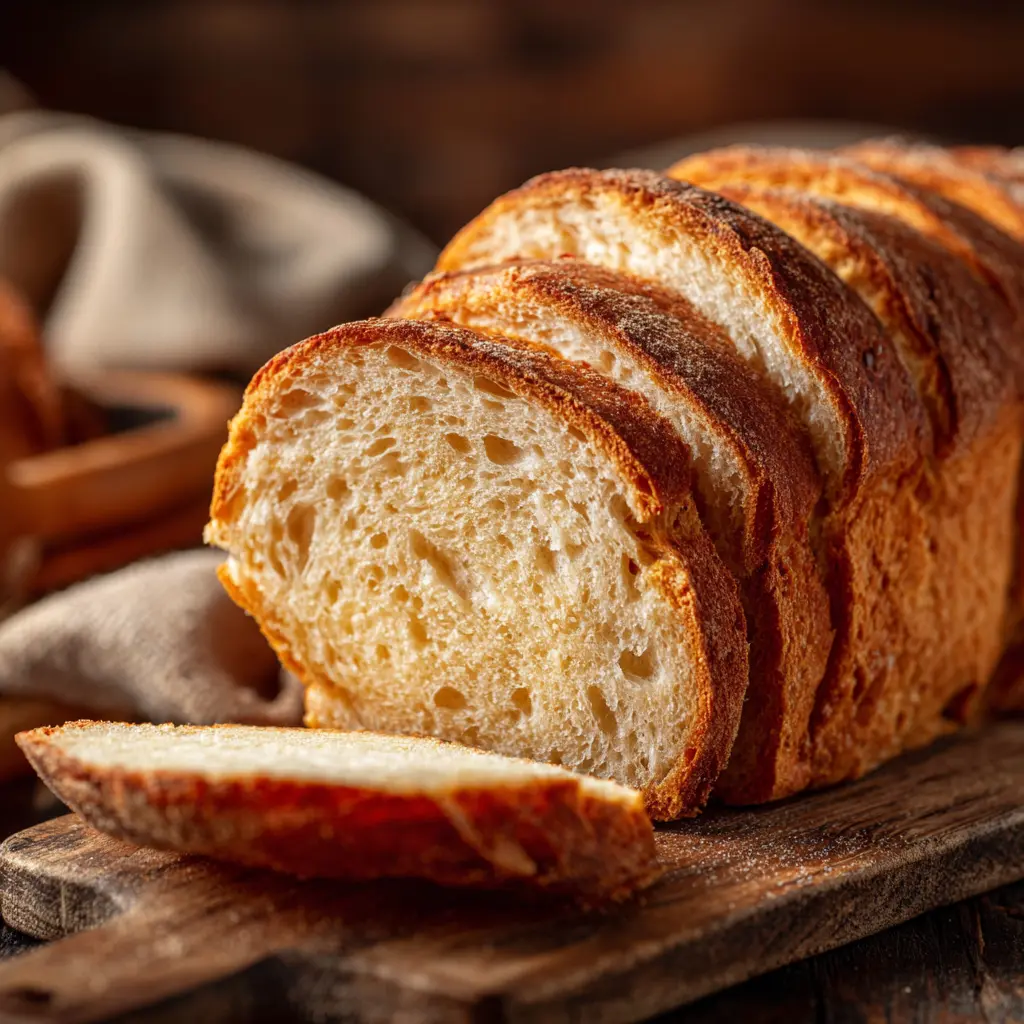
| Without Fix | With Fix |
|---|---|
| Dense and heavy | Light and airy |
| Compact, tight crumb | Fluffy, open structure |
| Wet or gummy inside | Fully set, dry crumb |
| Flat with no dome | Well-risen, structured shape |
| Rubbery when chewed | Soft and slightly springy |
| Collapses when cooled | Holds shape completely |
This isn’t a different recipe. It’s the same ingredients — handled correctly.
Pro Tips to Prevent Density
Always clean your bowl before whipping Wipe the bowl and beaters with white vinegar on a paper towel before you start. Fat is invisible to the eye but completely destroys foam formation. This takes 20 seconds and prevents the most frustrating failure in carnivore baking.
Add cream of tartar every time Just ⅛ teaspoon added to whites before whipping stabilizes the foam significantly. It lowers the pH of the whites, which makes the protein bonds stronger and the bubbles more resistant to popping during folding and baking.
Don’t overload the batter Every ingredient beyond eggs and cream cheese adds weight. If you want to add seeds, cheese, or seasonings, compensate by adding an extra egg white to maintain lift capacity.
Bake low and slow — always 310°F (155°C) feels counterintuitively low for bread. But carnivore bread isn’t bread — it’s a foam structure that needs gentle, even heat to rise and set without collapsing. Trust the low temperature.
Shape with a scoop, not a spoon Ice cream scoops and piping bags preserve more air during portioning than spoons. The less you handle the batter after folding, the more air survives into the oven.
Cool on a wire rack immediately Leaving bread on a hot pan continues baking from the bottom — which compresses the crumb and adds moisture that makes the texture feel dense even when it wasn’t.
FAQ
Why is my carnivore bread dense?
Your egg whites either lost their structure during whipping, were destroyed during folding, or never had enough volume to begin with. Dense carnivore bread is almost always a foam problem — not an ingredient problem.
Can I fix dense bread after baking?
No. Once baked, the structure is set and density can’t be reversed. Slice and toast it to improve the texture slightly, but the fix has to happen before the batter goes into the oven. Focus on whipping and folding technique for the next batch.
How do I make carnivore bread fluffy?
Three things: whip egg whites to true stiff peaks, fold the batter gently in thirds using a wide spatula, and maintain the correct 3-egg to 2–3 oz cream cheese ratio. Get those three right and fluffy carnivore bread becomes consistent and repeatable.
Does baking temperature affect density?
Absolutely. Too high and the outside sets before the inside rises, trapping density in the center. Too low and the foam collapses before the protein sets. The sweet spot is 300–320°F (150–165°C) for 25–35 minutes depending on loaf size.
Keep Exploring Carnivore Bread
If you want a reliable base recipe to apply all these fixes to, the complete carnivore bread guide walks through exact measurements, ingredient sourcing, and troubleshooting from scratch — it’s the best starting point for getting consistent results.
For a lighter, even more airy variation, the carnivore egg white whey bread uses whey protein to further stabilize the foam structure — it’s specifically designed for people who struggle with density and want maximum lift with minimal ingredients.
Conclusion
Dense carnivore bread is not a mystery — it’s a predictable result of a few specific technique mistakes. Weak foam, heavy batter, and incorrect baking temperature account for almost every density problem people run into.
Fix the egg white structure. Respect the fold. Control the heat. instagram
Do those three things consistently and your carnivore bread stops being dense, flat, and frustrating — and starts being the light, airy, structured loaf it’s supposed to be. Texture in carnivore baking is not luck. It’s technique.