
Soft carnivore bread is made by whipping egg whites to stiff peaks, folding gently to preserve air, and baking immediately at low temperature.
Soft carnivore bread is made by whipping egg whites to stiff peaks, gently folding them into a yolk-based batter, and baking immediately at low temperature. The key is preserving air structure at every stage — from the bowl to the oven — to achieve a light, fluffy texture without a single gram of flour or gluten.
Soft carnivore bread depends entirely on technique, not ingredients. If your bread turns dense or flat, it usually connects to the same issues explained in why carnivore bread is dense. Understanding these core mistakes will help you fix texture permanently. Egg-based structure relies on protein behavior, as explained by Harvard Health Publishing.
Soft carnivore bread depends entirely on preserving egg white foam. Less air loss = lighter, fluffier bread.
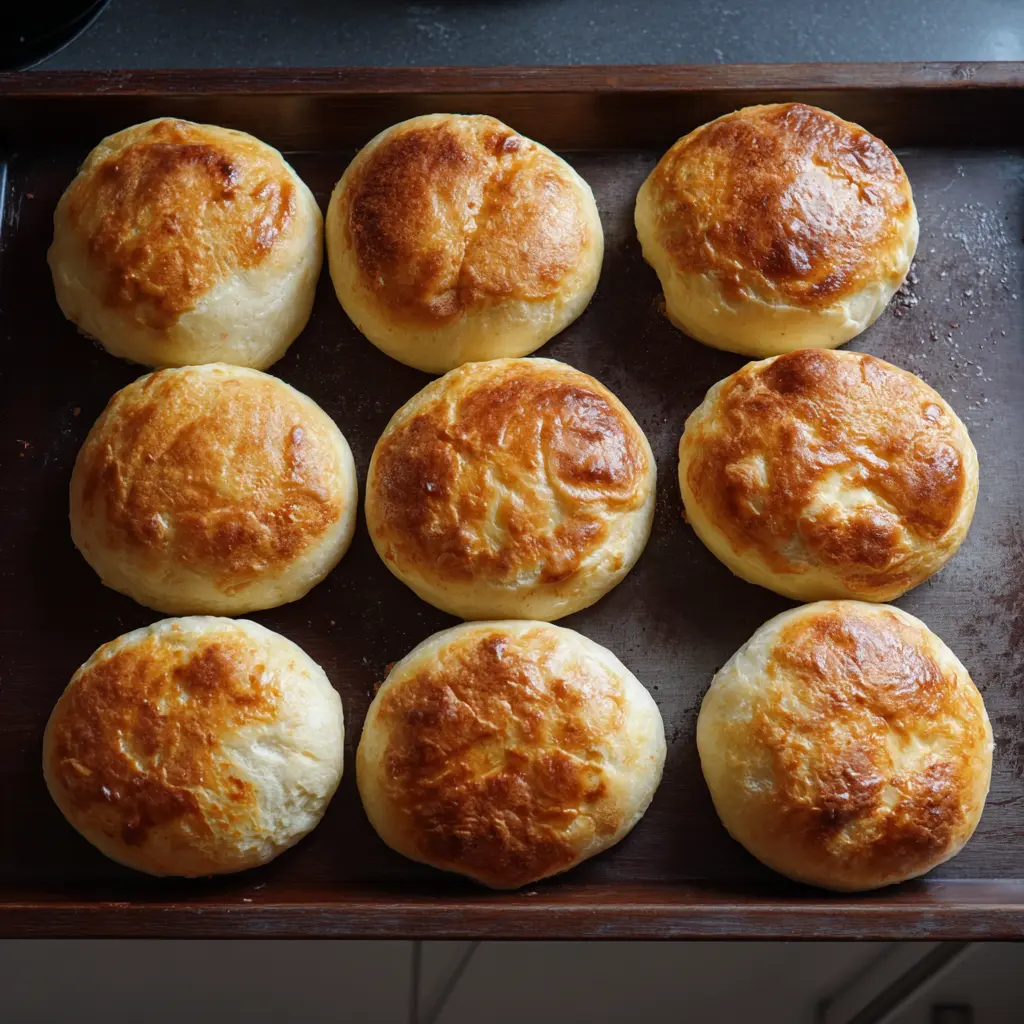
Table of Contents
Key Takeaways
- Soft texture comes entirely from properly whipped egg whites
- Overmixing destroys air — and destroyed air means dense bread
- Bake immediately after mixing — the foam degrades fast
- Low heat (300°F / 150°C) lets structure set before the outside overcooks
- Technique matters far more than ingredients in carnivore bread
What Is Soft Carnivore Bread?
Soft carnivore bread is a grain-free, low-carb bread alternative made entirely from animal-based ingredients. There’s no flour, no yeast, no starch — just eggs, fat, and technique.
Unlike traditional bread where gluten does the structural work, carnivore bread relies entirely on egg protein. When egg whites are whipped correctly and handled gently, they create a foam structure that bakes into something genuinely light and airy. When they’re not — the bread is dense, flat, and disappointing.
The difference between soft and dense carnivore bread is almost never the recipe. It’s always the method.
Why Carnivore Bread Is Often Dense
Most carnivore bread turns dense because the air structure collapses before baking heat can lock it in place. Once that foam is gone, no amount of extra baking time brings it back.
The three most common causes:
- Under-whipped egg whites — soft peaks feel ready but collapse under the weight of the batter within minutes
- Overmixing during folding — every extra fold pops air bubbles that took minutes to build
- Batter sitting too long before baking — foam degrades quickly at room temperature; even 5 minutes of delay can noticeably affect the final texture
If your carnivore bread consistently turns out dense, the problem is happening at one of these three moments — and fixing any one of them will produce an immediate, noticeable improvement.
The Science Behind Soft Texture
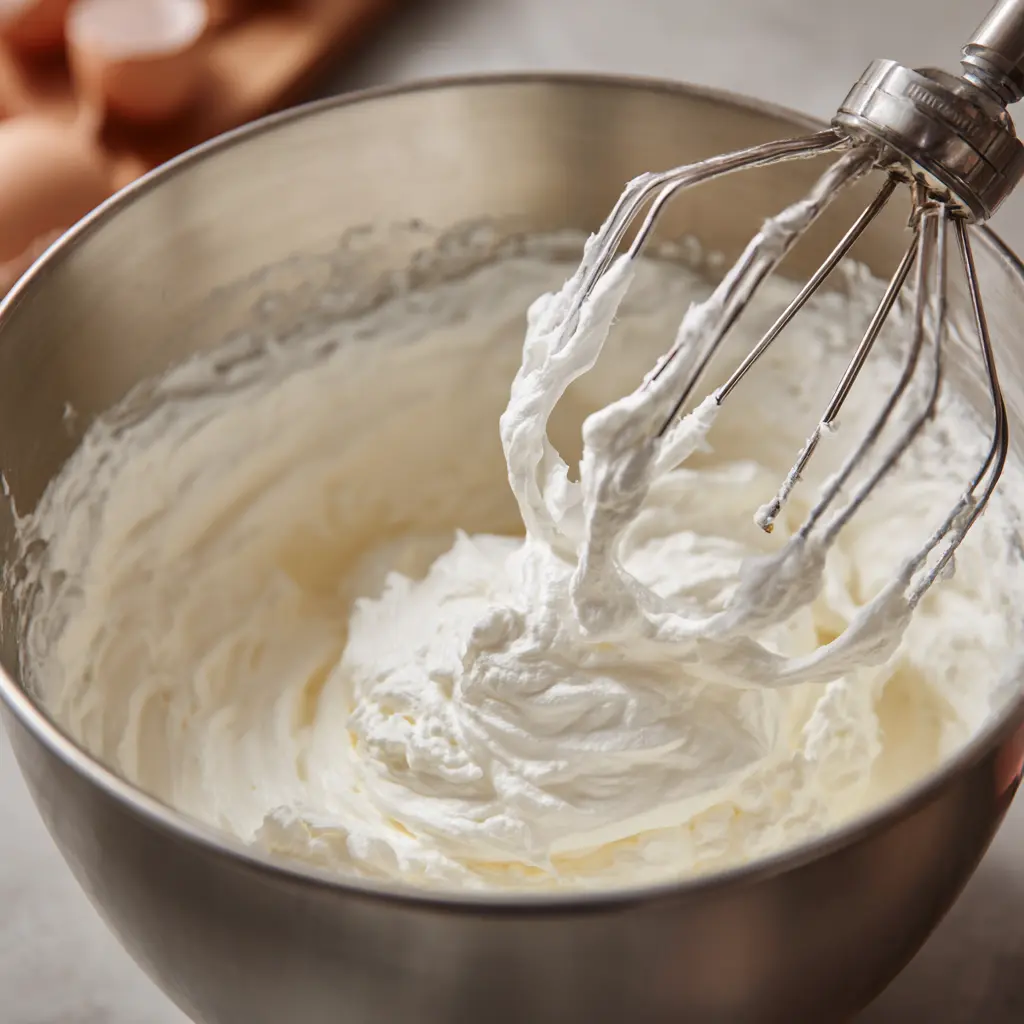
Understanding why this works makes the technique stick.
Egg whites trap air. When whipped, the proteins in egg whites unfold and form a network around millions of tiny air bubbles. That foam is the entire lifting mechanism — there’s no yeast producing gas, no baking powder creating chemical lift. Just mechanically trapped air.
Heat sets proteins and locks structure. When foam hits oven heat, the egg proteins cook and solidify around those air bubbles — permanently. The foam becomes a solid, airy crumb. But this only works if the foam is still intact when it hits the heat.
Fat must be balanced. Cream cheese and yolks add richness and moisture — but fat is foam’s enemy. Too much fat in the base mixture weighs the batter down past what the foam can support. The balance between fat and egg white volume determines whether the bread rises or spreads.
Soft bread = preserved air + controlled heat. That’s the entire formula.
Ingredients for Soft Carnivore Bread
| Ingredient | Role |
|---|---|
| Egg whites | Primary structure and lift — the entire foundation |
| Egg yolks | Richness, moisture, and flavor in the base |
| Cream cheese or heavy cream | Binding, fat balance, and soft texture |
| Cream of tartar | Stabilizes egg white foam for longer |
| Salt | Strengthens protein bonds in the whites |
On cream of tartar: This optional ingredient makes a non-optional difference. Just ⅛ teaspoon per batch lowers the pH of the whites, tightening the protein bonds and making the foam significantly more resistant to collapsing during folding and baking. Use it every time.
Step-by-Step Method
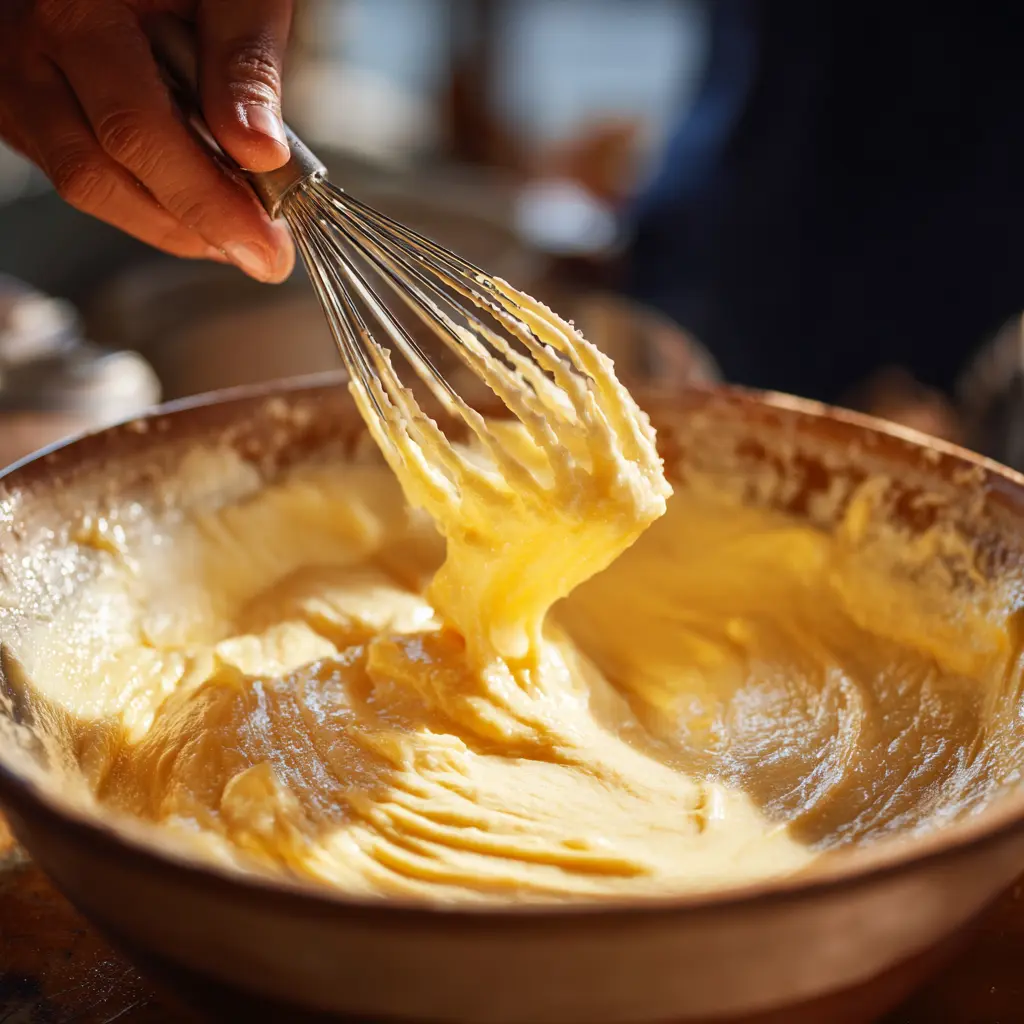
Step 1 — Whip Egg Whites to Stiff Peaks
This is the most important step in the entire process. Wipe your bowl and beaters with white vinegar first — any fat residue prevents proper foam formation. Add cream of tartar to the whites, start on medium speed for 60 seconds to build stable base bubbles, then increase to high. Stop when peaks stand completely upright, the foam is glossy and smooth, and the bowl can be inverted without anything moving. This is stiff peaks — not soft, not foamy, not grainy.
The stiff peak stage is the foundation of soft texture. If this step is weak, the final bread will always be dense. This is also why many people struggle with how to make carnivore buns fluffy — both rely on the same egg foam principles.
Step 2 — Prepare the Yolk Base
In a separate bowl, beat egg yolks with fully softened cream cheese until completely smooth. No lumps. Lumps force extra mixing later when you’re trying to combine — and extra mixing kills the foam. Add salt here. The base should be pale, smooth, and slightly airy from the yolk beating.
Step 3 — Temper the Base
Add a small spoonful of whipped whites directly into the yolk base and stir it in without worrying about being gentle. This “tempering” lightens the base mixture so it doesn’t drag down and deflate the remaining whites when you add them. One small sacrifice of foam to protect the rest.
Step 4 — Fold Gently in Thirds
Add the remaining whites in two more additions, folding with a wide silicone spatula each time. Cut down the center of the bowl, sweep under, fold over, rotate. Count your folds — aim for 12–15 per addition, 30–40 total maximum. Stop the moment no large white streaks remain. A few faint streaks are completely fine and far better than two extra folds.
Folding must be controlled and minimal. Overmixing destroys air instantly, which leads to dense bread. The science behind foam collapse is well documented by Serious Eats and applies directly to carnivore baking.
Step 5 — Bake Immediately
Do not let the batter sit. Pour or scoop it into your prepared pan the moment folding is done and get it into a fully preheated oven at 300°F (150°C). Every minute the batter sits at room temperature, the foam degrades further. Delay = density.
Common Mistakes and Fixes
| Problem | Most Likely Cause | Fix |
|---|---|---|
| Bread is dense throughout | Whites not whipped to true stiff peaks | Whip longer — test with the inverted bowl method |
| Bread collapses after baking | Oven temperature too high or too low | Use an oven thermometer; target 300–315°F exactly |
| Flat texture with no dome | Overmixing destroyed the air structure | Count your folds — stop at 30–40 total |
| Wet or gummy center | Underbaked | Add 5–8 minutes and test with a toothpick |
| Skin forms during cooling | Exposed to air | Cover with a light towel while cooling on the rack |
| Collapses when removed from oven | Structure underdeveloped | Let cool 5–7 minutes in the pan before removing |
How to Make Carnivore Bread Fluffy: The Core Rules
Fluffy carnivore bread is not about better ingredients — it’s about three non-negotiable technique rules applied consistently:
Rule 1: Stiff peak egg whites — every time. Not almost stiff. Not close enough. True stiff peaks that stand straight up and don’t move. This is the single variable with the highest impact on final texture.
Rule 2: Fold gently — maximum 30–40 total folds. Use a wide spatula, not a whisk. Cut, sweep, fold, rotate. Never stir in circular motions. Stop early rather than late — under-mixed is fixable, over-mixed is not.
Rule 3: Bake immediately after mixing. The foam is alive and degrading from the moment you stop whipping. Every minute of delay costs you volume and softness. Have the oven preheated, the pan ready, and the parchment in place before you start whipping.
Soft vs. Dense Carnivore Bread
| Soft Carnivore Bread | Dense Carnivore Bread | |
|---|---|---|
| Texture | Airy, light, slightly springy | Heavy, compact, rubbery |
| Cause | Proper technique — foam preserved | Air lost at some stage |
| Crumb | Open, with visible air pockets | Tight, closed, wet-looking |
| Sliceability | Holds shape when sliced | Compresses or tears |
| Taste | Mild, clean, egg-forward | Heavy, sometimes eggy |
| Fixable? | Repeatable with same technique | Must fix before next batch |
Nutrition (Per Serving, Approximate)
| Nutrient | Amount |
|---|---|
| Calories | 250–300 kcal |
| Protein | High (12–16g depending on egg count) |
| Fat | Moderate to high |
| Total Carbs | 0–2g |
| Net Carbs | ~0–1g |
Pure animal protein and fat — no hidden carbohydrates, no blood sugar impact.
Variations Built on This Base
Once you’ve mastered the soft carnivore bread technique, the same principles apply directly to every related recipe:
- Carnivore buns — same batter, portioned into rounds and baked shorter
- Carnivore sandwich bread — baked in a loaf pan for clean, stackable slices
- Cloud bread — a lighter, thinner variation using fewer yolks and no cream cheese
All of these live inside the same technical framework. Master the foam, master the fold, and every variation becomes accessible through the full carnivore bread guide.
Soft Carnivore Bread (How to Make It Fluffy, Not Dense)
Description
Soft, fluffy carnivore bread made with simple ingredients using a precise egg white technique.
Ingredients
- 3 eggs (separated)
- 85g cream cheese
- ⅛ tsp cream of tartar
- Salt
Instructions
- Whip egg whites to stiff peaks
- Mix yolks + cream cheese
- Fold gently
- Bake at 150°C
FAQ
Why is my carnivore bread not soft?
Air structure was lost during mixing — either the whites weren’t whipped to true stiff peaks, the batter was overmixed during folding, or it sat too long before baking. Check all three before your next batch.
Can I make soft carnivore bread without cream cheese?
Yes, but the texture will be less stable and slightly drier. Heavy cream works as a substitute and keeps the bread soft, though it produces a slightly more delicate structure that’s more prone to collapsing.
How do I keep carnivore bread fluffy after baking?
Whip properly, fold gently, and bake immediately — those three things determine fluffiness before it goes in the oven. After baking, cool on a wire rack (not the pan) and store wrapped in parchment in an airtight container in the fridge. Reheat in a low oven, never a microwave.
Why does my carnivore bread collapse when it comes out of the oven?
The structure wasn’t fully set when you removed it. Either the oven temperature was too high (outside cooked, inside still raw foam) or it was underbaked. Cool in the pan for 5–7 minutes before transferring — the residual heat continues setting the center.
Does carnivore bread need to be eaten fresh?
It’s best within the first 24 hours when the texture is at its lightest. By day 2–3 it becomes slightly denser, which many people actually prefer for sandwiches since it holds together better under fillings.
Keep Building Your Carnivore Bread Skills
Every technique covered in this article connects directly to the broader skill set covered in the full carnivore bread guide — which goes deeper on ratios, troubleshooting, and the full range of bread styles from loaves to rolls to flatbreads.
This method is based on repeated test batches focusing on egg foam stability and baking precision.
Conclusion
Soft carnivore bread is completely achievable — but it asks you to think differently than conventional baking. There’s no forgiving gluten network to bail you out. No yeast doing work in the background. Just egg foam, carefully built and carefully protected from bowl to oven.
Whip the whites to true stiff peaks. Fold with discipline. Bake immediately at low heat.
Do those three things consistently and soft, fluffy carnivore bread stops being a lucky outcome and becomes a repeatable result. The technique is learnable. The texture is predictable. And once you get it right once, you’ll know exactly what to replicate every time after.
🔥 Master Carnivore Baking Once and For All
If you’ve struggled with dense or flat carnivore bread, this is where everything changes.
Start applying this technique today and you’ll see the difference from your very next batch.
👉 Ready to go further? Explore the full system behind perfect texture in carnivore bread guide.