
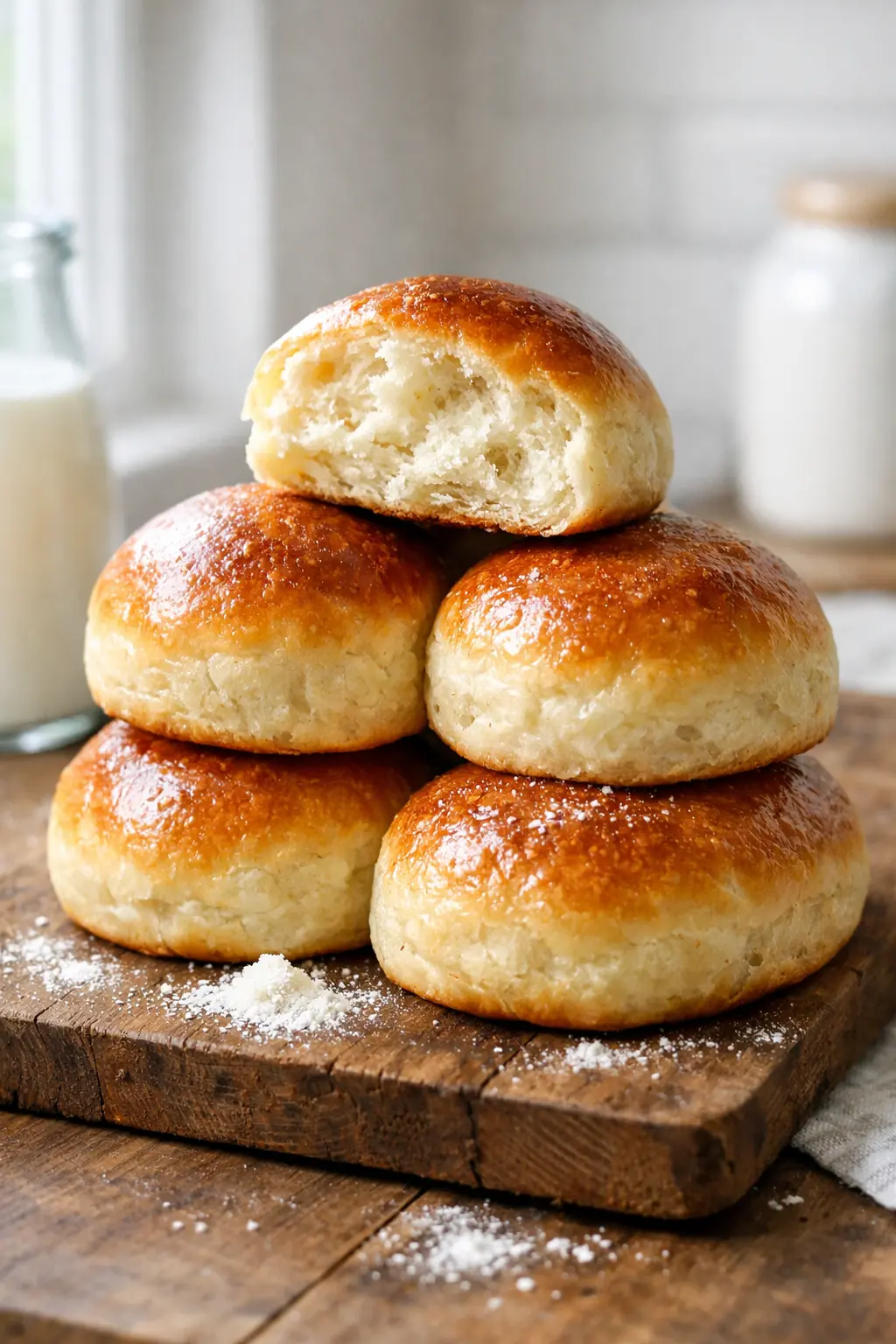
Carnivore buns with milk powder are one of the most stable and bread-like carnivore bun versions you can make. Using just three animal-based ingredients, these buns create a soft interior with a stronger structure that holds together perfectly for burgers and sandwiches.
Carnivore buns with milk powder are made using eggs, milk powder, and whey protein isolate. These three animal-based ingredients create stable, bread-like buns without flour or carbohydrates, making them ideal for carnivore and zero-carb diets.
Unlike other carnivore buns that rely on cottage cheese or cream cheese, this version uses milk powder to improve structure and reduce moisture. The result is a bun that feels closer to traditional bread while remaining completely flourless, zero-carb, and carnivore-compliant.
This variation builds on the same protein-based structure used in our
3 ingredient carnivore burger buns recipe , but improves firmness and durability—making it ideal for heavier fillings and meal prep.
This recipe follows the principles of the
carnivore diet , which focuses on animal-based foods while eliminating grains and plant ingredients. This approach helps maintain stable blood sugar levels and supports high-protein nutrition.
These carnivore buns with milk powder are especially useful for burgers, sandwiches, and carnivore meal prep.
What Are Carnivore Buns with Milk Powder?
Carnivore buns with milk powder are flourless burger buns made from eggs, milk powder, and whey protein isolate. The milk powder reduces moisture and increases structure, creating stable, bread-like buns suitable for carnivore and zero-carb diets.
Table of Contents
Table of Contents
Quick Recipe Overview
What you’ll make: 4-6 carnivore burger buns
Prep time: 5 minutes
Cook time: 25 minutes
Total time: 30 minutes
Difficulty: Easy
Diet: Carnivore, zero-carb, gluten-free, grain-free
Best use: Burgers, sandwiches, meal prep
Ingredients (3 Ingredients Only)
You need exactly three animal-based ingredients:
- 4 large eggs – Provide lift, structure, and binding
- ½ cup heavy cream powder OR whole milk powder – Creates firmness and stability without excess moisture
- 1 scoop unflavored whey protein isolate – Replaces flour, adds structure
Optional:
- Pinch of salt (enhances flavor)
These carnivore buns with milk powder ingredients create a stronger structure than cheese-based versions. Milk powder provides protein and fat without adding excess moisture, allowing the buns to bake firmer and hold their shape better for burgers and heavy sandwich fillings.
Carnivore Buns with Milk Powder (3 Ingredients): Soft, Stable, Zero-Carb Burger Buns
- Prep Time: 5 minutes
- Cook Time: 25 minutes
- Total Time: 30 minutes
- Yield: 4–6 buns 1x
- Category: Bread Method
- Method: Baking
- Cuisine: Carnivore Diet
- Diet: Gluten Free
Description
Firm, stable carnivore burger buns with superior structure. Perfect for burgers and meal prep.
Ingredients
- 4 large eggs
- ½ cup whole milk powder or heavy cream powder
- 1 scoop unflavored whey protein isolate
- optional: pinch of salt
Instructions
- Preheat oven to 350°F (175°C). Line baking sheet with parchment paper or use silicone bun molds.
- Add eggs, milk powder, and whey protein isolate to a blender.
- Blend for 30–60 seconds until smooth and thick.
- Pour batter into bun molds or shape 4–6 buns on baking sheet.
- Bake for 25–30 minutes until golden brown and firm.
- Allow buns to cool for at least 15 minutes before slicing.
Notes
Milk powder improves bun stability and reduces moisture, creating stronger carnivore buns ideal for burgers and sandwiches. Cooling is essential to allow protein structure to fully set.
Nutrition
- Calories: 110
- Fat: 5g
- Carbohydrates: 2g
- Protein: 12g
Keywords: carnivore buns with milk powder, carnivore burger buns, zero carb buns, carnivore bread alternative
Why Milk Powder Makes Better Carnivore Buns
Milk powder improves bun structure by reducing water content while increasing protein density—a key advantage over wet ingredients like cottage cheese or cream cheese.
How each ingredient works:
Eggs provide lift and structure through protein coagulation when heated. They create the foundational network that gives these buns their bread-like quality.
Whey protein isolate creates a strong protein network that replaces the gluten structure flour would normally provide. This is what allows the buns to hold together without grains.
Milk powder adds stability and firmness by concentrating milk proteins and fats in dry form. Unlike liquid dairy, powder doesn’t add moisture that can make buns soggy or fragile.
This combination produces carnivore buns with milk powder that are:
- Less fragile than cottage cheese versions
- More stable for stacking burger toppings
- Better for meal prep and storage
- Easier to slice cleanly without crumbling
The lower moisture content also improves texture consistency and prevents collapse after baking—a common issue with wetter carnivore bun recipes.
How to Make Carnivore Buns with Milk Powder Step by Step
Step 1: Preheat Oven
Preheat oven to 350°F (175°C). Line a baking sheet with parchment paper or use silicone burger bun molds for uniform shape.
Step 2: Blend Ingredients
Add 4 eggs, ½ cup milk powder, and 1 scoop whey protein isolate to a blender. Blend for 30-60 seconds until smooth and slightly thick. The batter should be thick but still pourable—thicker than pancake batter.
Step 3: Shape Buns
Pour batter into silicone bun molds (for perfect burger shapes) or form 4-6 round portions on parchment paper using about ⅓ cup batter each. Keep shapes slightly thick to allow proper rise during baking.
Step 4: Bake
Bake for 25-30 minutes until tops are golden brown, surface feels firm to the touch, and buns hold their shape when gently pressed. Internal temperature should reach about 180°F (82°C) for fully set structure.
Step 5: Cool Completely
Let buns cool for at least 15 minutes—this step is critical. The protein structure continues to set as they cool. Skipping this cooling period can cause the buns to collapse or have wet interiors.
Texture & Taste: What to Expect
These carnivore buns with milk powder have a structure closer to real bread compared to other carnivore bun variations.
Texture characteristics:
- Firm exterior that holds up to burger juices
- Soft, tender interior
- Stable structure that doesn’t fall apart
- Easy slicing without crumbling
- Maintains shape when stacked with toppings
Taste profile:
- Mild, neutral flavor
- Slightly creamy undertone from milk powder
- Not egg-heavy (less eggy than other versions)
- Perfect canvas for burger flavors
The neutral taste makes these buns versatile—they won’t compete with your burger or sandwich fillings. The milk powder adds subtle richness without being noticeable as “dairy” flavor.
Carnivore Buns with Milk Powder vs Other Versions
Carnivore Buns with Milk Powder vs Other Versions
Understanding the differences helps you choose the right recipe for your needs.
Compared to other 3 ingredient carnivore bun variations, this milk powder version creates a noticeably firmer and more stable structure while keeping the interior soft. It is especially effective for burgers with heavy toppings or high moisture fillings.
Milk powder buns (this recipe):
- Firmest structure
- Best for burgers and heavy fillings
- Longest shelf life
- Least fragile
Cottage cheese buns:
- Softer and more delicate
- More fragile when handling
- Higher moisture content
- Best for lighter sandwiches
Cream cheese buns:
- Denser and richer
- More filling
- Heavier texture
- Best for simple sandwiches
Plain egg buns:
- Lightest texture
- Less durable structure
- More egg-forward flavor
- Best as dinner rolls
Milk powder creates the best balance between softness and structure, making it the optimal choice for traditional burger use where you need buns that won’t fall apart under juicy patties and toppings.
For the original softer version, see our main carnivore burger buns recipe. For an even lighter option, try our carnivore rolls which are rounder and fluffier.
Common Mistakes & Solutions
Mistake: Buns are too soft and don’t hold burgers
Fix: Underbaking is the culprit. Bake the full 25-30 minutes even if tops look done. The interior needs that full time to set properly.
Mistake: Buns collapse after baking
Fix: Too much moisture in the batter or insufficient cooling. Use exact measurements—too much milk powder adds moisture. Always cool buns fully before handling.
Mistake: Dense, heavy texture
Fix: Too much milk powder or whey protein. Measure precisely using measuring cups, not estimating. Half a cup of milk powder should be leveled, not packed.
Mistake: Flat buns that don’t rise
Fix: Batter was too thin. This happens when using old or incorrect protein powder, or not enough milk powder. Ensure your whey protein isolate is fresh and unflavored.
Mistake: Buns stick to pan
Fix: Use parchment paper or generously grease silicone molds. Don’t try to remove buns while hot—they release much easier after cooling.
Storage & Reheating
Room temperature: Store in airtight container for up to 2 days. The milk powder helps maintain structure better than wetter versions at room temp.
Refrigerator: Keep in sealed container or zip-top bag for 5-6 days. Texture remains stable and actually improves after a day as flavors meld.
Freezer: Wrap individual buns in plastic wrap, then place in freezer bag. Freeze for up to 2 months. Thaw at room temperature or toast from frozen.
Reheating methods:
- Oven: 300°F for 3-5 minutes (best method, restores texture perfectly)
- Toaster oven: 2-3 minutes, ideal for individual buns
- Microwave: 15 seconds only (can become rubbery if overdone)
- Toasted: Slice and toast like regular bread for crispy edges
Pro tip: Milk powder buns maintain their structure better during storage than cottage cheese versions, making them superior for meal prep. They don’t get soggy or collapse in the fridge.
Best Uses for Milk Powder Buns
These carnivore buns with milk powder excel in applications where structure matters:
For burgers:
Their firm structure makes them ideal for juicy burgers without falling apart. They hold up to beef, bacon, cheese, and fried eggs without getting soggy.
For sandwiches:
Perfect for deli meat stacks, leftover steak sandwiches, or breakfast sandwiches with multiple fillings.
For meal prep:
Make a batch on Sunday and use throughout the week. They maintain quality better than softer versions when stored and reheated.
For breakfast sandwiches:
Toast and fill with fried eggs, sausage patties, and cheese for grab-and-go carnivore breakfast.
Their stronger structure makes them ideal for heavier fillings and situations where durability matters more than ultra-soft texture.
Simple Variations
Garlic buns:
Add ½ teaspoon garlic powder to the batter before blending. Brush finished buns with garlic butter.
Sesame top buns:
Sprinkle sesame seeds on top before baking for traditional burger bun appearance.
Mini slider buns:
Make 8-10 smaller buns instead of 4-6 large ones. Reduce baking time to 18-20 minutes.
Herb buns:
Add 1 teaspoon dried herbs (rosemary, thyme, or Italian blend) to batter.
Cheese-topped:
Add shredded cheese on top during last 5 minutes of baking for crispy cheese crust.
Frequently Asked Questions
Can I use heavy cream powder instead of milk powder?
Yes. Heavy cream powder works well and creates slightly richer, more indulgent buns. The texture will be similar but with a creamier taste. Use the same measurement (½ cup) as you would for whole milk powder.
Are milk powder carnivore buns better than cottage cheese buns?
They are more stable and durable, making them objectively better for burgers and sandwiches that need structural integrity. Cottage cheese buns are softer and more delicate—better for lighter uses. Choose milk powder when you need buns that won’t fall apart.
Do they taste like regular bread?
They provide similar structure and function to wheat buns but maintain a carnivore-friendly ingredient profile. The taste is mild and neutral rather than exactly like bread. After toasting, they’re remarkably close to traditional burger buns in both texture and function.
Can I make them without whey protein?
Whey protein isolate is required for proper structure—it’s what replaces the gluten network that flour would normally provide. Collagen peptides won’t work as they don’t create the same binding. Egg white protein powder might work but will change the texture. For best results, use whey protein isolate as directed.
Why are these better for meal prep?
The milk powder creates lower moisture content, which means the buns don’t get soggy during storage. They maintain their structure better when refrigerated or frozen, making them more reliable for preparing multiple meals in advance.
Nutritional Benefits
Per bun (recipe makes 4):
Approximately 110 calories
12g protein
5g fat
2g carbs (from milk powder)
Essentially zero net carbs
What you’re getting:
High protein from eggs and whey
Healthy fats from milk powder
Minimal carbohydrates
Complete amino acid profile
Bioavailable nutrients from animal sources
These buns deliver meaningful protein—each bun provides as much protein as 1.5 eggs, making them a nutritious part of your meal rather than empty calories.
How This Recipe Fits Into a Carnivore Diet
This recipe follows the basic principles of the carnivore diet, which emphasizes animal-based ingredients such as eggs, dairy, and meat while avoiding grains, plant-based foods, and carbohydrates. Simple recipes like these are commonly used by people following carnivore eating patterns because they rely on a small number of ingredients and provide a convenient bread alternative without flour or plant components. Using eggs, cheese, and whey protein allows these rolls to develop structure and softness while remaining fully aligned with zero-carb and animal-based dietary approaches. Because of their simplicity and versatility, carnivore bread alternatives like these rolls are frequently used for sandwiches, burger substitutes, or as a side with meat-based meals.
Final Thoughts
Carnivore buns with milk powder are one of the best carnivore bun variations for structure, stability, and ease of use. Using just three animal-based ingredients, they create reliable, bread-like buns without flour or plant ingredients.
Milk powder improves firmness while maintaining interior softness, making these buns ideal for burgers, sandwiches, and meal prep. They hold up to juicy fillings without falling apart, slice cleanly, and maintain quality during storage—everything you want in a burger bun.
Whether you’re preparing burgers for a weekend BBQ or meal-prepping sandwiches for the week, these buns deliver consistent results. The neutral flavor pairs with any filling while the firm structure ensures your burger stays intact from first bite to last.
For a softer and more classic version, explore our main 3 ingredient carnivore burger buns recipe. For an even lighter, rounder option, try our carnivore rolls which use similar ingredients shaped differently.